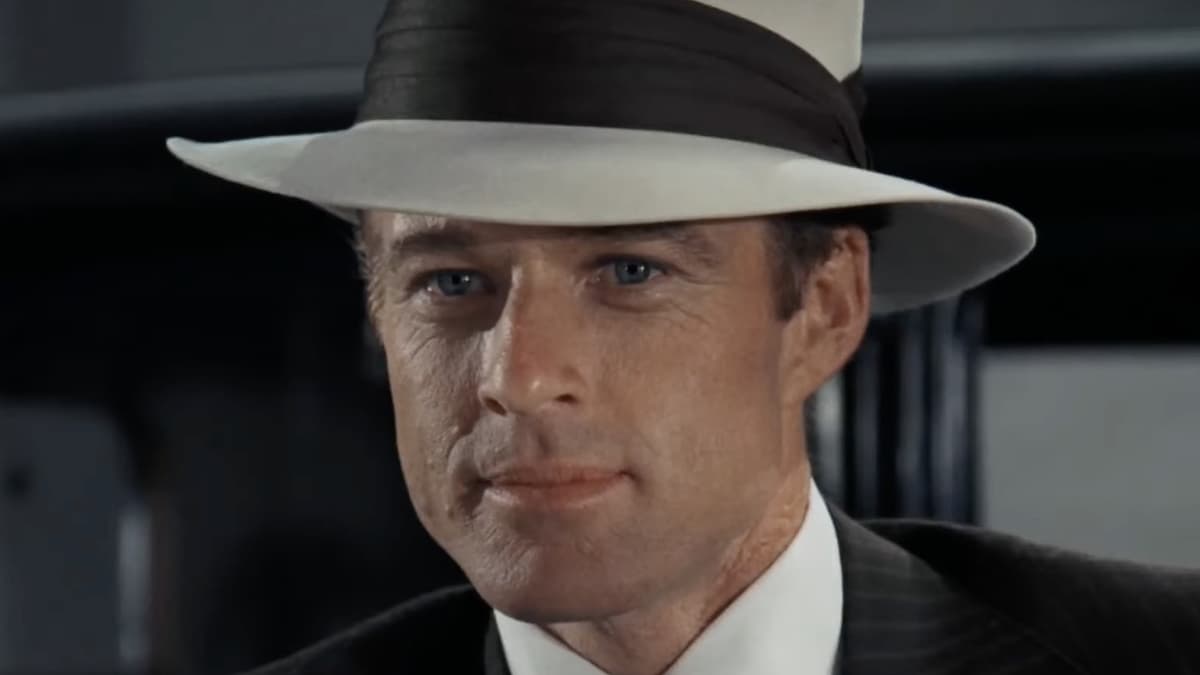
Roger Ebert And Other Critics Thought Robert Redford Was Miscast As This Iconic Literary Character
Why It Matters
The debate highlights how casting decisions and directorial vision can make or break literary adaptations, influencing box‑office performance and cultural legacy. It serves as a cautionary tale for studios weighing star power against narrative authenticity.
Key Takeaways
- •Redford starred as Jay Gatsby in 1974’s *The Great Gatsby*
- •Roger Ebert called him “too handsome, too assured” for Gatsby
- •Critics blamed director Jack Clayton’s script, not Redford’s performance
- •The film’s faithful script and pacing contributed to audience boredom
- •2013 adaptation revived interest with a more kinetic style
Pulse Analysis
The 1974 *Great Gatsby* arrived at a time when Robert Redford was at the peak of his Hollywood appeal, having delivered hits like *Butch Cassidy* and *Barefoot in the Park*. Studios banked on his all‑American charm to draw audiences, assuming his effortless smile matched Fitzgerald’s enigmatic protagonist. However, the film’s marketing ignored a crucial mismatch: Redford’s polished confidence contrasted sharply with Gatsby’s underlying desperation, a nuance that critics like Roger Ebert flagged as a casting misstep. The decision to cast a leading man known for triumph rather than tragedy set the tone for the film’s reception.
Critical response coalesced around the film’s direction and screenplay rather than Redford’s performance alone. Ebert’s two‑and‑a‑half‑star review labeled the actor “too substantial, too assured,” while The New York Times’ Vincent Canby dismissed the entire production as “ponderous” and “pretentious.” Both reviewers traced the film’s shortcomings to Jack Clayton’s overly faithful adaptation, which leaned heavily on Francis Ford Coppola’s script and meticulous period detail, sacrificing narrative momentum. The result was a sluggish pacing that left viewers disengaged, turning what could have been a poignant tragedy into a visually impressive but emotionally flat experience.
The legacy of the 1974 adaptation offers a broader lesson for contemporary studios: star power cannot compensate for a misaligned vision. When Baz Luhrmann re‑imagined *The Great Gatsby* in 2013, he paired a younger cast with a hyper‑stylized aesthetic, emphasizing the novel’s themes of excess and illusion. This approach resonated with modern audiences and critics, proving that faithful literalism must be balanced with inventive storytelling. For producers, the key takeaway is clear—successful literary adaptations require harmony between casting, direction, and script to capture the source material’s spirit while engaging today’s viewers.
Roger Ebert And Other Critics Thought Robert Redford Was Miscast As This Iconic Literary Character
Comments
Want to join the conversation?
Loading comments...