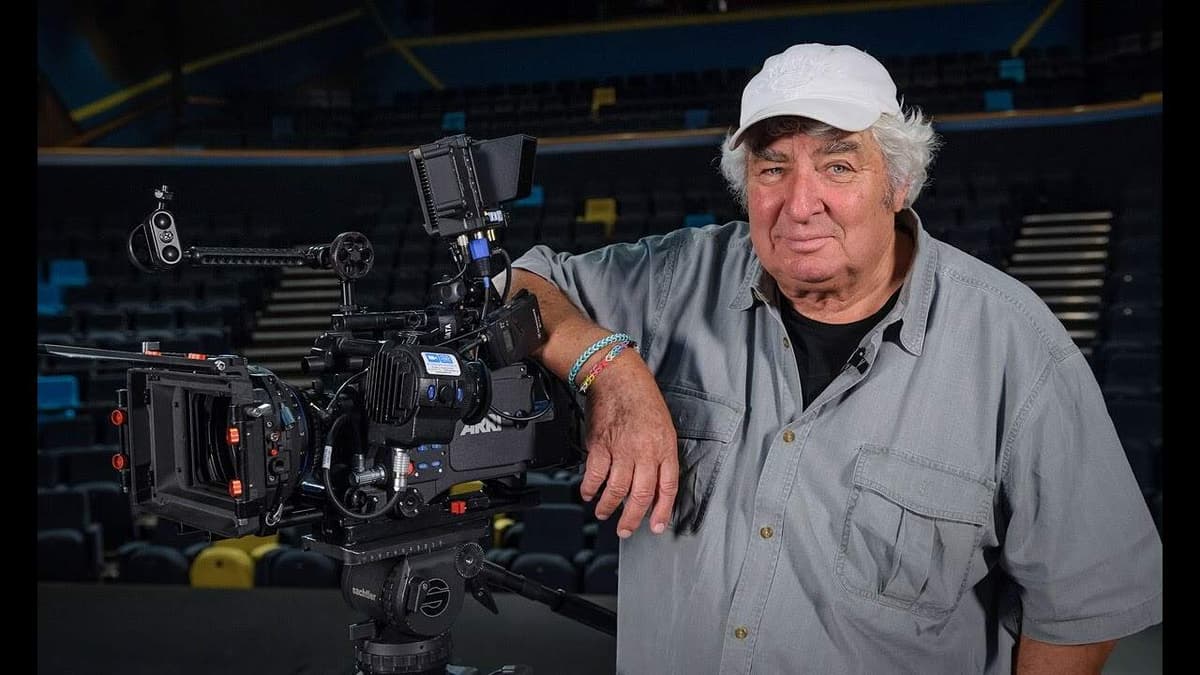
Shooting The Western With Dean Semler
•March 6, 2026
0
Key Takeaways
- •Semler transitioned from thrillers to westerns in late 1980s.
- •Young Guns (1988) revived the western genre commercially.
- •Dances With Wolves earned Semler an Academy Award for cinematography.
- •1990s saw Semler's four notable westerns, blending humor and drama.
- •Appaloosa (2008) marked his 21st‑century western comeback.
Summary
Dean Semler, an Australian cinematographer known for his early work on thrillers and Mad Max 2, pivoted to westerns in the late 1980s and quickly became the genre’s visual architect. His breakthrough came with the commercially successful Young Guns (1988), followed by the critically acclaimed Dances With Wolves (1990), which earned him an Academy Award. Throughout the 1990s Semler shot four major westerns, blending action, comedy, and neo‑western sensibilities. After a fourteen‑year hiatus, he returned with Appaloosa (2008), reaffirming his lasting influence on modern western cinematography.
Pulse Analysis
Dean Semler’s shift from gritty thrillers to the expansive landscapes of westerns illustrates a rare adaptability that reshaped genre expectations. By the late 1980s, his work on Young Guns injected fresh energy into a market that had been dormant for years, proving that modern audiences still craved frontier narratives when paired with dynamic camera work. This commercial resurgence sparked a wave of western productions, encouraging studios to invest in stories that balanced classic tropes with contemporary pacing.
Technically, Semler introduced a palette that married the sun‑bleached hues of classic spaghetti westerns with meticulous composition, creating immersive depth and texture. His use of natural lighting, long tracking shots, and deliberate color grading in Dances With Wolves set a new standard for authenticity, influencing a generation of cinematographers who now prioritize environmental storytelling. The film’s Academy Award win cemented his reputation, demonstrating how visual craftsmanship can elevate narrative weight and cultural resonance.
In the 21st century, Semler’s return with Appaloosa reaffirmed his relevance, bridging traditional western aesthetics with modern filmmaking tools. The film’s special‑feature documentary on his techniques underscores industry interest in preserving his methodology. As streaming platforms revive interest in neo‑western series, Semler’s legacy offers a blueprint for blending historical fidelity with innovative visual language, ensuring the western remains a viable, compelling genre for future storytellers.
Comments
Want to join the conversation?