Silent Friend Will Make You Want to Talk to Your Plants
Why It Matters
The film spotlights growing audience interest in eco‑centric narratives and demonstrates how pandemic‑era isolation can inspire innovative, cross‑disciplinary cinema, positioning Enyedi for renewed awards attention.
Key Takeaways
- •Film links three eras through a 190-year‑old ginkgo tree.
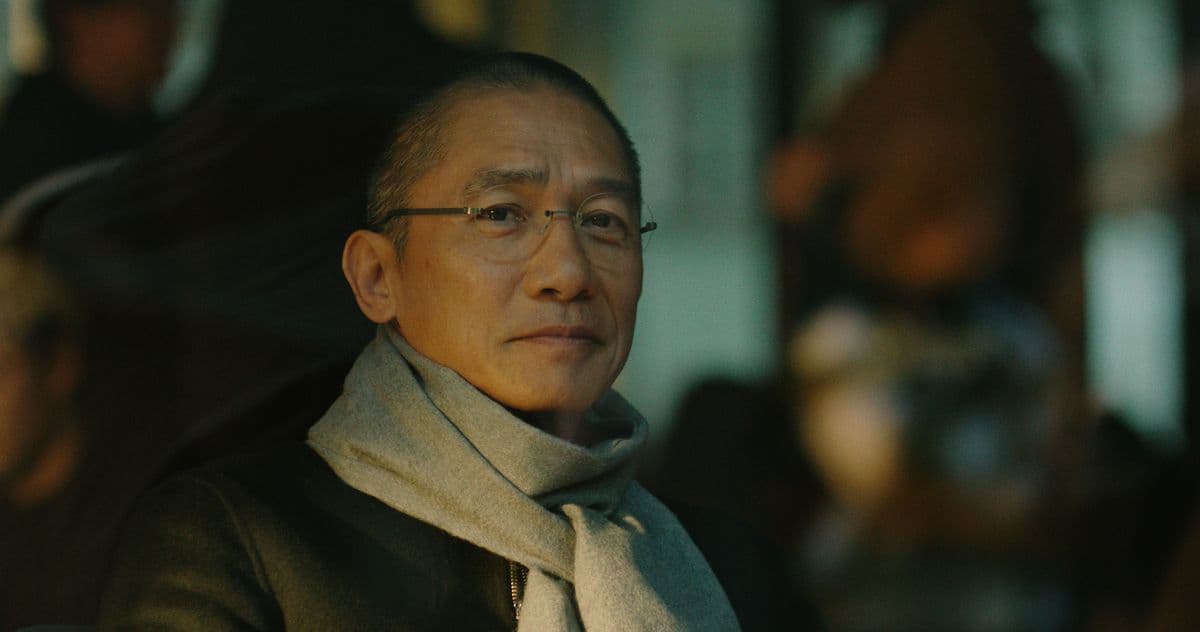
- •Tony Leung portrays a locked‑down neurologist studying plant consciousness.
- •Director Ildikó Enyedi blends neuroscience with poetic visual storytelling.
- •Slow‑cinema pacing invites audiences to sense plant communication.
- •Themes echo pandemic isolation and the universal need for connection.
Pulse Analysis
Silent Friend arrives at a moment when audiences are craving stories that bridge humanity and the natural world. By anchoring three distinct periods—1908’s early botany studies, 1972’s experimental poetry, and a 2020 pandemic lockdown—to a single ginkgo tree, the film creates a temporal tapestry that underscores plant sentience as a timeless curiosity. The narrative’s focus on neurological experiments and subtle plant responses taps into a broader cultural fascination with bio‑communication, echoing recent scientific discourse on the "wood wide web" and the cognitive capacities of flora.
Ildikó Enyedi, a two‑time Berlin Golden Bear laureate, leverages her arthouse pedigree to craft a slow‑cinema experience that rewards patience. Tony Leung’s understated performance as Professor Wong embodies the isolation felt by many during COVID‑19, while the supporting characters—Grete, the pioneering female botanist, and Hannes, the reluctant poet—illustrate how personal adversity can spark unconventional scientific inquiry. Enyedi’s visual language—close‑ups of trembling roots, lingering shots of the ginkgo’s bark—mirrors the meticulous observation found in laboratory settings, turning the film into a hybrid of documentary rigor and poetic imagination.
Beyond its artistic merits, Silent Friend signals a market shift toward eco‑centric storytelling that resonates with environmentally conscious viewers and festival programmers alike. Its meditative pacing and thematic depth position it as a strong contender for awards that celebrate innovative narrative forms, such as the Cannes Directors' Fortnight or the Sundance World Cinema Dramatic Competition. As studios increasingly invest in climate‑related content, the film’s blend of science, philosophy, and human drama offers a blueprint for future projects seeking both critical acclaim and audience engagement.
Silent Friend Will Make You Want to Talk to Your Plants
Comments
Want to join the conversation?
Loading comments...