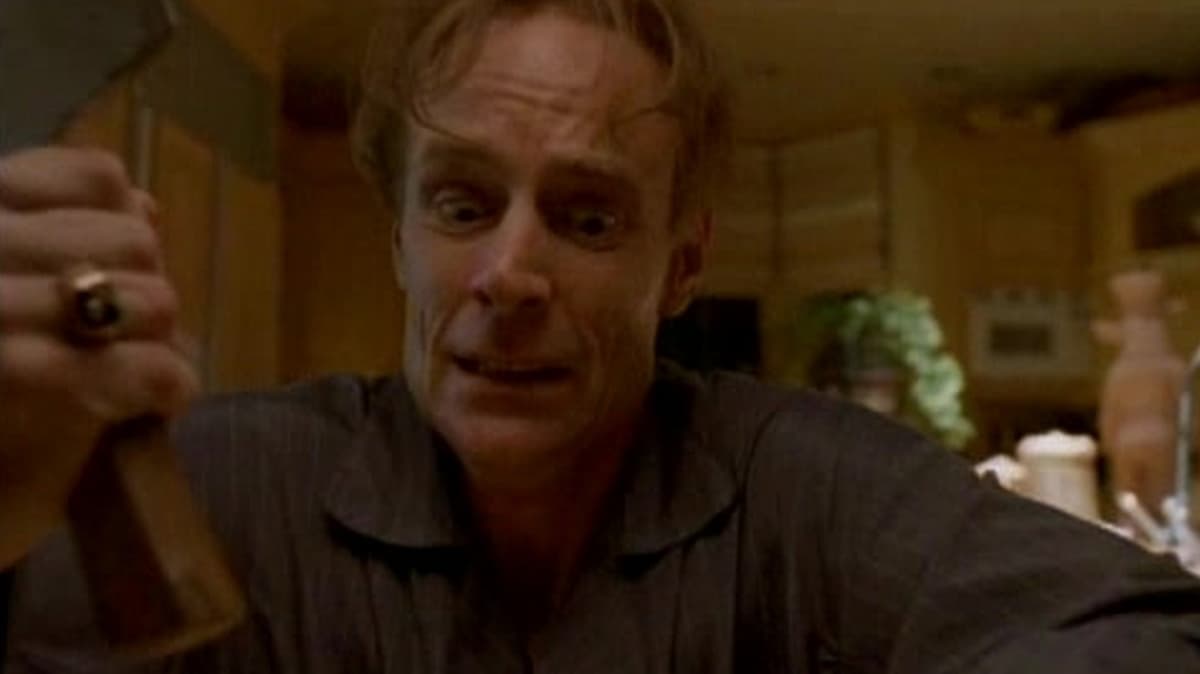
Stephen King And Clive Barker Got A Creepy (But Hilarious) Movie Adaptation You Forgot About
Why It Matters
The film highlights the difficulty of translating high‑profile horror literature into television anthologies, and it underscores how tonal missteps can sideline even marquee collaborations. Its cult status offers insight into the evolving appetite for genre‑specific streaming content.
Key Takeaways
- •Rare King‑Barker collaboration aired as 1997 TV movie
- •Anthology combined King’s “Chattery Teeth” and Barker’s “The Body Politic.”
- •Intended pilot turned into standalone 90‑minute film
- •Whimsical tone limited mainstream horror appeal
- •Cult status persists among completionist horror fans
Pulse Analysis
The late‑1990s saw a surge of network experiments with horror anthologies, spurred by the success of series like *The X‑Files* and *Tales from the Crypt*. *Quicksilver Highway* leveraged the brand power of Stephen King and Clive Barker, hoping to capture both literary prestige and TV ratings. By pairing King’s whimsical “Chattery Teeth” with Barker’s darker, yet still quirky, “The Body Politic,” the film attempted to balance scares with dark humor, a formula that would later prove successful in streaming‑first formats.
Production-wise, Mick Garris crafted a host character, Aaron Quicksilver, to emulate the Cryptkeeper’s role, while casting genre‑savvy actors such as Matt Frewer and Raphael Sbarge. However, the tonal swing between cartoonish toy teeth and sentient hands left audiences uncertain about the film’s identity. Fox’s decision to package the two stories as a single TV movie rather than a series pilot limited narrative depth, and the whimsical presentation clashed with the expectations of hardcore horror viewers, resulting in modest ratings and a swift fade from the broadcast schedule.
Despite its commercial underperformance, *Quicksilver Highway* has endured as a cult artifact among King and Barker aficionados. The movie’s rarity illustrates the challenges of adapting celebrated horror literature for television—a lesson echoed in today’s streaming anthologies that prioritize consistent tone and clear branding. For modern creators, the film serves as a cautionary tale: even star‑studded source material needs a cohesive vision to resonate with both niche fans and broader audiences.
Stephen King And Clive Barker Got A Creepy (But Hilarious) Movie Adaptation You Forgot About
Comments
Want to join the conversation?
Loading comments...