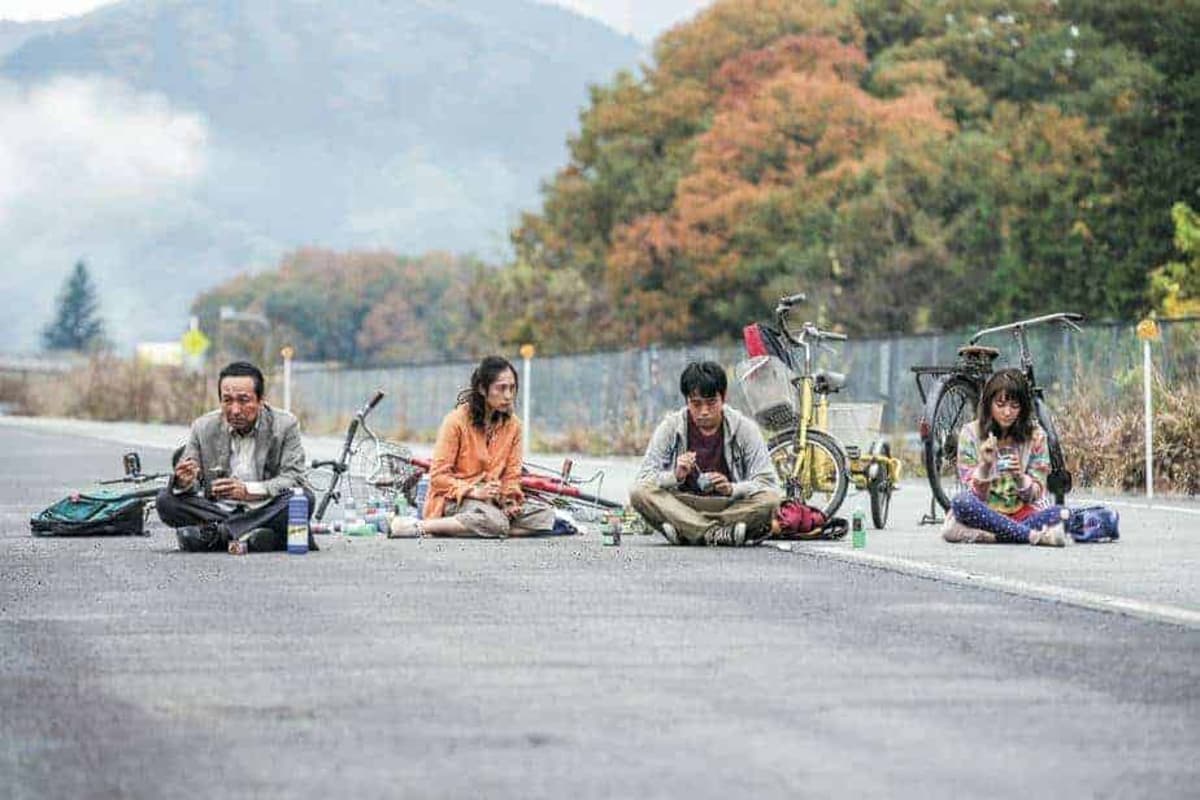
Survival Family (2016) by Shinobu Yaguchi Film Review
Key Takeaways
- •Blackout scenario reveals modern society’s tech reliance.
- •Family dynamics shift as parental roles reverse.
- •Production achieves epic scale with limited budget.
- •Cinematography balances intimate and expansive shots.
- •Film bridges indie drama and disaster genre.
Pulse Analysis
In an era where smartphones and smart homes dominate daily life, *Survival Family* taps into a growing cultural anxiety: what happens when the grid goes dark? By stripping away electricity, the film forces characters—and viewers—to confront the fragility of modern comforts. The story’s focus on a single family’s struggle to adapt underscores how quickly social hierarchies can dissolve, turning the father’s traditional breadwinner role into a liability while the mother’s bartering skills become essential for survival. This thematic pivot resonates with audiences who have experienced recent blackouts and supply‑chain disruptions, making the film a timely commentary on resilience.
Yaguchi’s production design achieves a cinematic scope typically reserved for big‑budget disaster movies, yet it was crafted with modest resources. Meticulous location scouting, extensive use of practical lighting, and thousands of extras populate streets that feel both chaotic and authentic. The cinematography alternates between tight close‑ups that capture the family’s emotional turmoil and sweeping wide shots that reveal the desolate, yet bustling, urban landscape. This visual strategy not only heightens tension but also reinforces the film’s core message: humanity’s survival hinges on both individual ingenuity and collective cooperation.
The film’s current run at Asian Pop‑Up Cinema has drawn diverse crowds, earning an audience award that signals strong word‑of‑mouth potential. Director Shinobu Yaguchi, known for cult classics like *Waterboys* and *Swing Girls*, leverages his knack for blending humor with heartfelt drama, expanding the disaster genre’s emotional range. For distributors and streaming platforms, *Survival Family* offers a marketable package—engaging story, critical acclaim, and relevance to post‑pandemic audiences—illustrating how independent cinema can compete with blockbuster spectacles while delivering meaningful social insight.
Survival Family (2016) by Shinobu Yaguchi Film Review
Comments
Want to join the conversation?