Key Takeaways
- •Abel Gance revisits Napoleon with 1960 epic "The Battle of Austerlitz"
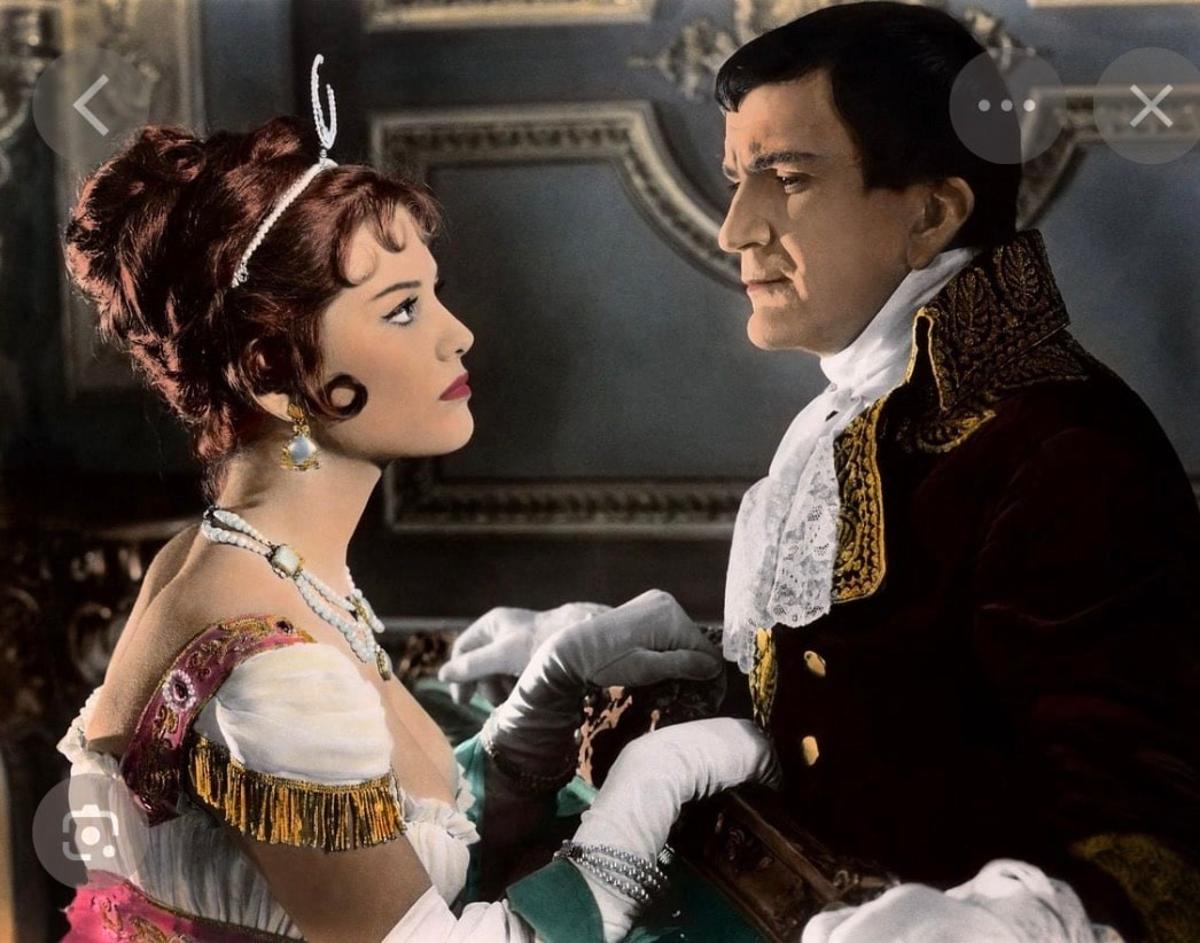
- •Eastmancolor cinematography by Henri Alekan enhances visual appeal
- •Star-studded cast includes Claudia Cardinale, Leslie Caron, Jean-Louis Trintignant
- •Film now available on select digital platforms, expanding its audience
- •Humor about Napoleon’s height contrasts Gance’s earlier serious tone
Pulse Analysis
Abel Gance’s reputation as a pioneer of cinematic spectacle rests largely on his 1927 silent epic “Napoleon,” a film that redefined scale and ambition in early Hollywood. Six decades later, “The Battle of Austerlitz” attempts to recapture that grandeur, positioning itself as both a historical reenactment and a nostalgic homage. By revisiting the emperor’s later campaigns, Gance offers scholars and cinephiles a comparative lens on how narrative techniques and production values evolved between the silent and color eras, underscoring his lasting influence on epic storytelling.
The 1960 production benefits from Henri Alekan’s Eastmancolor photography, which injects the battle sequences with a saturated, almost painterly quality that rivals contemporary war epics. A roster of French acting talent—veteran Michel Simon, rising star Jean‑Louis Trintignant, and icons Claudia Cardinale and Leslie Caron—adds gravitas, while cameo appearances by Jacques Palance and Orson Welles provide quirky interludes. The film’s occasional jokes about Napoleon’s height signal a tonal shift from Gance’s earlier solemnity, aiming to broaden appeal without sacrificing the spectacle that defined his legacy.
Now accessible on select digital platforms, “The Battle of Austerlitz” exemplifies how legacy content can be revitalized for streaming audiences. Digital restoration and distribution open new monetization pathways, allowing rights holders to tap into niche markets of classic‑film enthusiasts and history buffs. This strategy not only extends the commercial life of archival titles but also enriches cultural archives, ensuring that landmark works like Gance’s continue to inform and inspire future generations of filmmakers and viewers alike.
The Battle of Austerlitz (1960)
Comments
Want to join the conversation?