The Calf Doll (2026) by Ankur Hooda Documentary Review
Key Takeaways
- •Hybrid documentary mixes real farm life with staged performance
- •Grief expressed through taxidermied calf doll challenges viewer comfort
- •Improvised TikTok inserts disrupt meditative pacing, highlighting modernity
- •Film blurs generational clash, questioning authenticity in rural storytelling
- •Screened at CPH:Dox NEXT:Wave, signaling rise of Indian experimental docs
Pulse Analysis
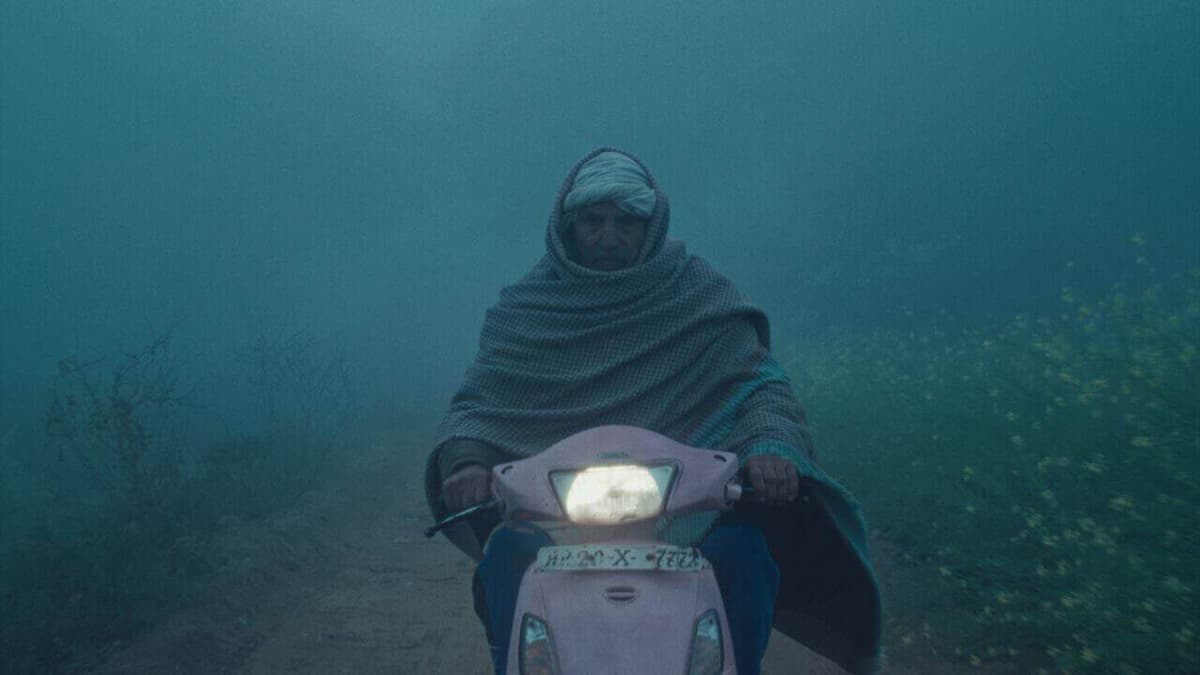
India’s documentary scene is increasingly embracing stories that emerge from the countryside, where agriculture and tradition intersect with rapid social change. *The Calf Doll* taps into this vein by placing a personal tragedy— the loss of a newborn calf—against the backdrop of Haryana’s fog‑shrouded fields. The film’s setting provides a vivid portrait of rural life while inviting viewers to consider how modern pressures, such as digital media, infiltrate even the most isolated farms. This contextual grounding makes the documentary relevant to both regional audiences and international viewers seeking authentic cultural insights.
What sets Hooda’s work apart is its hybrid methodology. By inserting the farmer’s self‑recorded TikToks and staging a taxidermied calf as a symbolic “doll,” the director collapses the line between observation and performance. The technique forces the audience to question what is genuine footage and what is constructed narrative, echoing broader debates in documentary theory about authenticity. Moreover, the generational tension— a father’s silent labor versus a son’s performative commentary—adds a layer of meta‑critique, suggesting that the act of filming itself becomes a third participant in the story.
The film’s inclusion in the CPH:Dox NEXT:Wave slate signals a shift in festival curators toward experimental, regionally rooted documentaries. As streaming platforms expand their non‑fiction libraries, titles like *The Calf Doll* offer compelling, market‑ready content that blends cultural specificity with universal themes of loss and adaptation. Filmmakers worldwide may look to this model—mixing raw rural footage, digital interjections, and artistic symbolism—to craft documentaries that resonate across borders while preserving local nuance. The success of such hybrids could redefine audience expectations and funding models for future non‑fiction projects.
The Calf Doll (2026) by Ankur Hooda Documentary Review
Comments
Want to join the conversation?