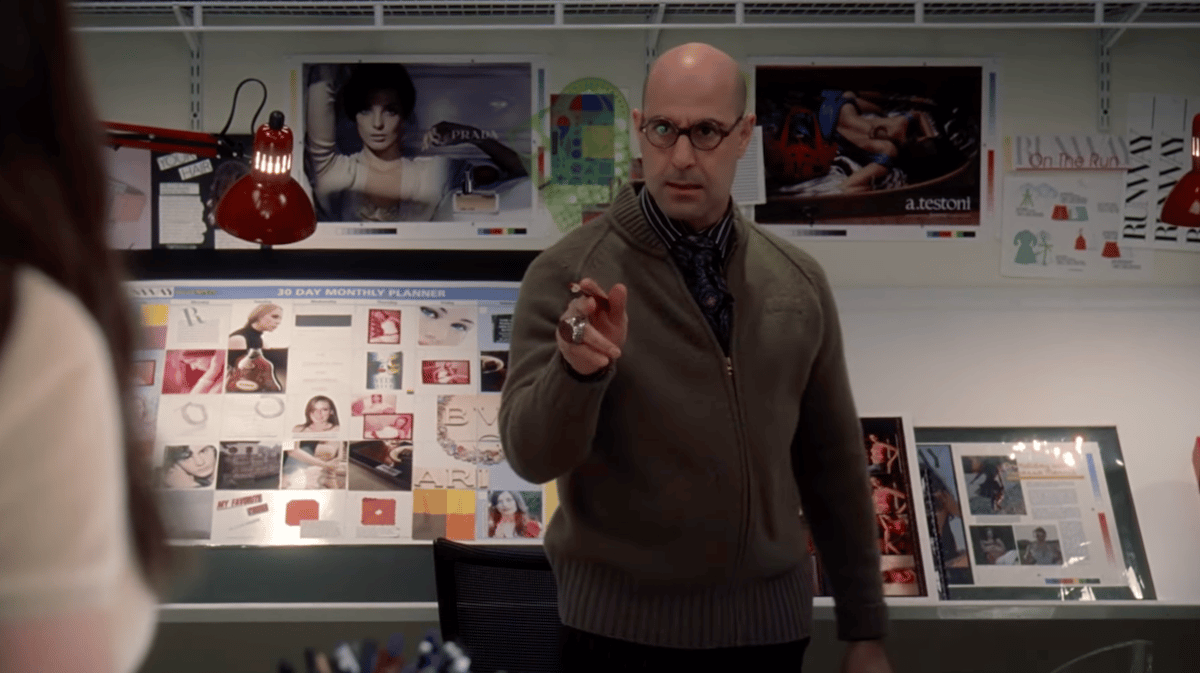
The Devil Wears Prada Is a Stanley Tucci Masterclass
Why It Matters
Tucci’s layered portrayal shows how subtle acting can humanize a cut‑throat industry, influencing audience perception of fashion’s cultural power. It also highlights the film’s continued impact, informing expectations for the upcoming sequel.
Key Takeaways
- •Tucci infuses Nigel with humor and genuine warmth.
- •His speech reframes Runway as a hopeful platform, not elitist.
- •Contrast with Miranda highlights humanity amid fashion's hierarchy.
- •Performance anchors Andy's growth, preventing a cynical ending.
Pulse Analysis
The 2006 hit *The Devil Wears Prada* remains a touchstone for how Hollywood dramatizes the fashion world, blending satire with heartfelt storytelling. While the film’s iconic "Cerulean" monologue cemented its cultural cachet, the often‑overlooked Nigel scene offers a deeper commentary on institutional influence. By positioning Runway as a conduit for artistic legacy—citing legends like Halston and Lagerfeld—the narrative invites viewers to consider the magazine’s role beyond consumer trends, framing it as a cultural catalyst.
Stanley Tucci’s interpretation of Nigel elevates this subplot from mere comic relief to a pivotal emotional anchor. His delivery balances razor‑sharp critique with a soft, almost paternal tone, turning a potentially demeaning lecture into a moment of mentorship. The close‑up of his pen‑tap on Andy’s forehead, paired with a warm vocal cadence, signals that authority can coexist with kindness. This nuanced performance not only deepens Andy’s arc but also challenges the stereotype of fashion executives as uniformly ruthless, showcasing the power of subtle acting choices to reshape audience empathy.
With *The Devil Wears Prada 2* slated for release on May 1, the original’s themes are resurfacing amid a renewed fascination with industry transparency and sustainability. Audiences now expect the sequel to address modern concerns—digital disruption, diversity, and ethical sourcing—while preserving the witty, character‑driven storytelling that made the first film a classic. Tucci’s memorable turn sets a benchmark for future portrayals, reminding creators that layered characters can make even the most glamorous settings feel relatable and human.
The Devil Wears Prada Is a Stanley Tucci Masterclass
Comments
Want to join the conversation?
Loading comments...