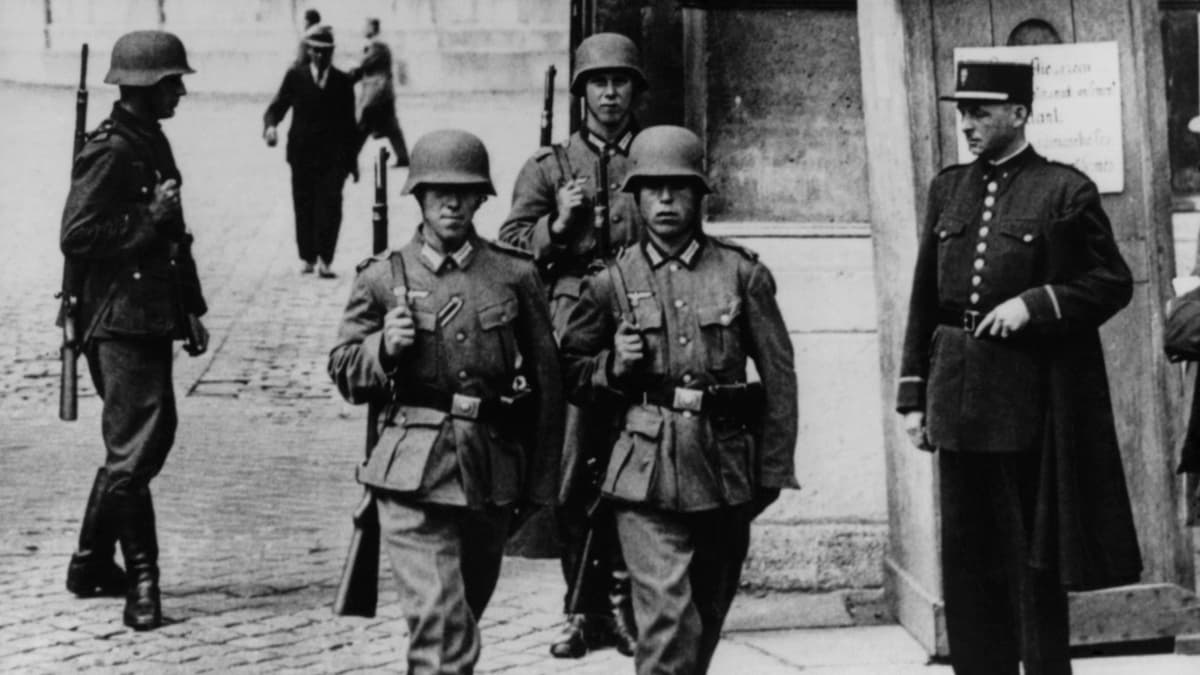
Why It Matters
The documentary illustrates how societal acquiescence and the politicization of institutions can accelerate authoritarian drift, a warning directly applicable to today’s polarized American landscape.
Key Takeaways
- •Ordinary French citizens enabled occupation by passive compliance
- •Vichy regime co-opted neutral institutions to enforce repression
- •Old societal hatreds resurfaced, fueling authoritarian narratives
- •Economic elites often chose neutrality, fearing loss of status
- •Cross‑ideological coalitions were essential to defeat fascist forces
Pulse Analysis
*The Sorrow and the Pity* remains a cinematic masterclass in confronting collective denial. Filmed in the aftermath of World War II, Ophuls interviews a cross‑section of French society—from Resistance commanders to a Waffen‑SS aristocrat—revealing how everyday choices, rather than grand heroics, sustained the Nazi occupation. The documentary’s four‑hour runtime is justified by its granular look at collaboration, the erosion of neutral institutions, and the resurgence of deep‑seated anti‑Jewish and anti‑Anglophone sentiments that the Vichy regime exploited.
The film’s lessons echo loudly in today’s United States, where political polarization has revived old prejudices and emboldened authoritarian rhetoric. Recent data shows a surge in anti‑Semitic and Islamophobic incidents, mirroring the Vichy strategy of targeting minorities to consolidate power. Moreover, the co‑option of law‑enforcement and immigration agencies for partisan ends mirrors how the Nazis leveraged French police to suppress dissent. Business leaders watching these patterns recognize that institutional integrity is a fragile asset; once politicized, it can undermine market stability and erode public trust.
For executives, the documentary underscores the strategic risk of complacency. Companies that ignore emerging extremist narratives or fail to safeguard neutral governance structures may find themselves complicit in broader societal decay. Building cross‑ideological coalitions—much like the French Resistance’s uneasy alliances—can fortify organizations against destabilizing forces. Ultimately, *The Sorrow and the Pity* serves as a cautionary tale: vigilance, ethical leadership, and proactive defense of institutional independence are essential to preserving both democratic values and long‑term business resilience.
The Film That Explains Contemporary America
Comments
Want to join the conversation?
Loading comments...