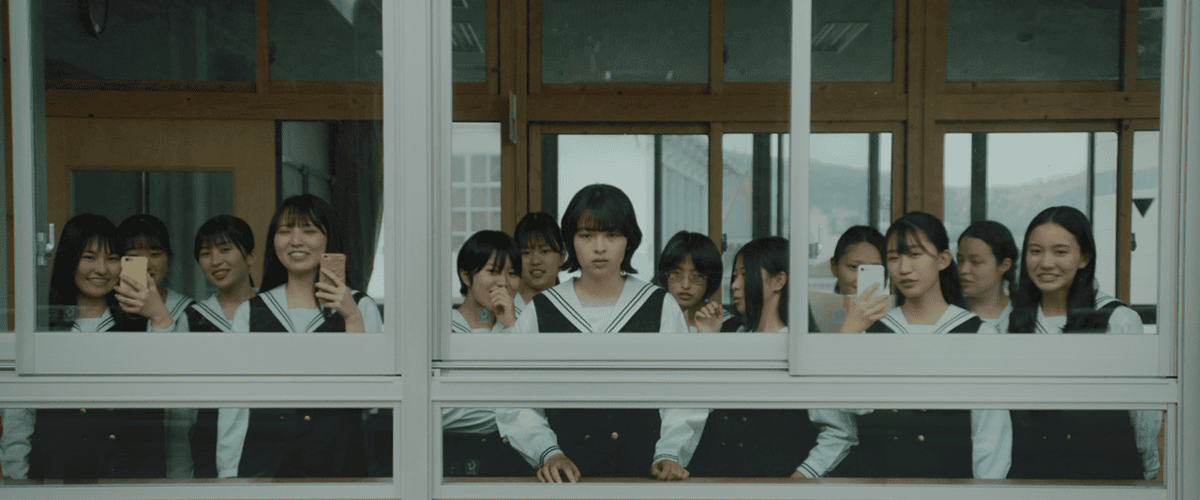
The Invisible Half (2026) by Masaki Nishiyama Film Review
Key Takeaways
- •Nishiyama blends J‑horror tropes with modern smartphone terror
- •Elena’s mixed‑heritage bullying drives the film’s outsider narrative
- •Tech‑centric haunting rule creates claustrophobic digital dread
- •Social commentary on race feels underdeveloped in the script
- •Strong performances offset uneven pacing and vague spirit mythology
Pulse Analysis
The resurgence of J‑horror in the 2020s has moved beyond traditional haunted houses, embracing the digital lives of Gen‑Z audiences. "The Invisible Half" taps into this shift by making a smartphone the primary conduit for terror, a tactic that mirrors real‑world anxieties about constant connectivity. This approach not only modernizes the genre’s signature atmospheric dread but also opens fresh avenues for filmmakers to explore how everyday tech can become a conduit for the supernatural.
Nishiyama’s rule set—where the entity is visible only on a phone screen and audible through headphones—creates a claustrophobic experience that leverages familiar user interfaces to heighten fear. The film’s standout set pieces, such as chalk‑spelling messages on an abandoned classroom wall, illustrate how low‑budget visual tricks can generate high tension when anchored in relatable technology. By integrating these mechanics, the movie positions itself alongside other tech‑centric horror titles, suggesting a broader industry trend toward digital hauntings that resonate with a hyper‑connected audience.
However, the film’s ambition to blend social commentary with supernatural horror falls short. Elena’s mixed‑Japanese heritage is introduced as a source of bullying but never woven into the spirit’s motives, missing an opportunity to deepen the narrative with a "social horror" angle. This oversight reflects a larger challenge for genre creators: balancing culturally specific storytelling with universal scares. As studios seek to diversify horror portfolios, "The Invisible Half" serves as both a proof of concept for tech‑driven fright and a cautionary tale about underutilizing identity-driven narratives.
The Invisible Half (2026) by Masaki Nishiyama Film Review
Comments
Want to join the conversation?