Key Takeaways
- •Autobiographical drama reflects Itami’s hospital experience
- •Satirizes Japan’s costly, bureaucratic healthcare system
- •Highlights yakuza backlash influencing Itami’s later career
- •Uses surreal visuals to portray terminal illness
- •Emphasizes human connection over medical technology
Pulse Analysis
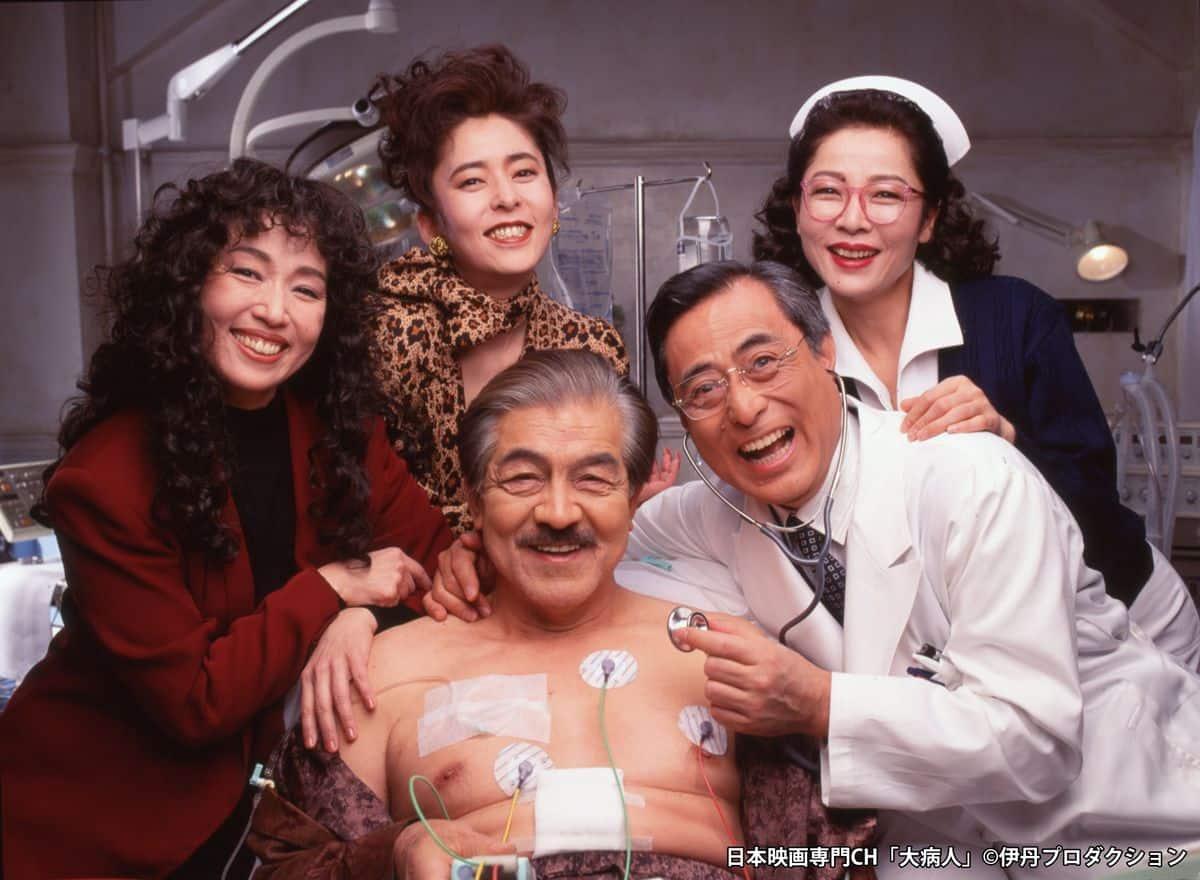
"The Last Dance" arrived at a moment when Japanese cinema was increasingly turning its lens toward social institutions. By embedding a personal cancer narrative within a broader critique of insurance‑driven medical practices, Itami created a hybrid of satire and pathos that resonated with audiences fatigued by rising healthcare costs. The film’s vivid, cyber‑punk‑inspired operating rooms serve not only as visual metaphor but also as a commentary on the commodification of care, a theme that continues to echo in contemporary health‑policy debates.
Beyond its thematic boldness, the movie reflects the precarious position of filmmakers who confront entrenched power structures. Itami’s earlier confrontation with the Goto yakuza clan over "Minbo" led to a violent assault that forced his hospitalization, directly feeding the material for "The Last Dance." This real‑world backlash underscores the thin line between artistic expression and personal safety in markets where organized crime can influence media narratives. The film’s modest box‑office performance, coupled with critical acclaim, demonstrates that daring content can still find commercial pathways, encouraging producers to invest in socially relevant storytelling.
For global audiences, the film’s exploration of mortality, institutional indifference, and the redemptive power of human empathy offers timeless relevance. It highlights how cinematic storytelling can function as a diagnostic tool for societal ailments, prompting viewers to question the ethics of profit‑centric healthcare. As streaming platforms broaden access to international cinema, "The Last Dance" provides a case study in leveraging personal experience to critique systemic issues, reinforcing the role of film as both entertainment and a catalyst for public discourse.
The Last Dance (1993) by Juzo Itami Film Review
Comments
Want to join the conversation?