Key Takeaways
- •Last Shaw Brothers film directed by Chang Cheh
- •Box office earned roughly HK$460,000, poor performance
- •Blends Taoist mysticism with slapstick fantasy
- •Features historical figures from Romance of the Three Kingdoms
- •Practical effects create charming, dated supernatural visuals
Summary
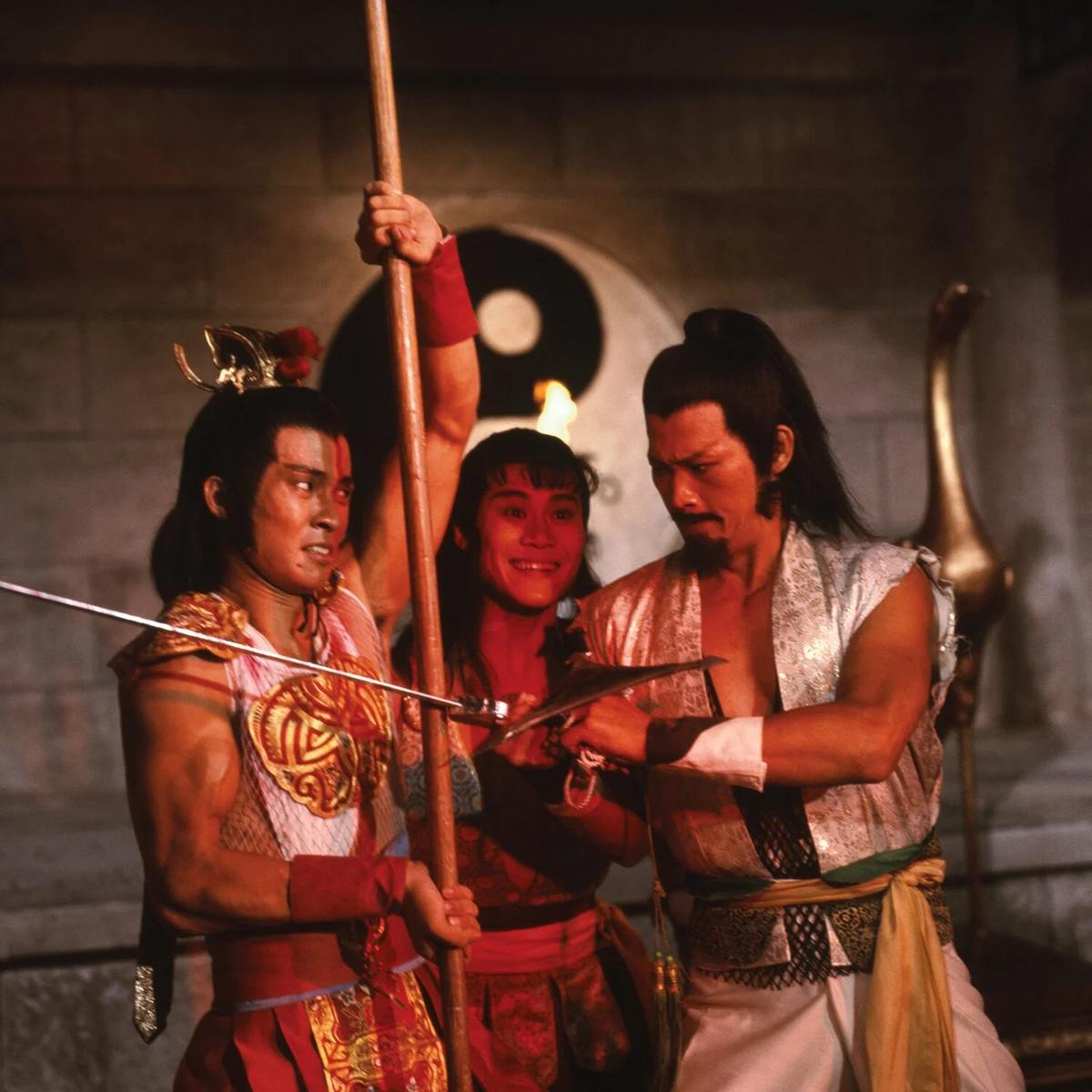
The Weird Man (1983) is Chang Cheh’s final Shaw Brothers production, mixing martial‑arts choreography with Taoist mysticism and slapstick fantasy. Starring Cheng Tien‑Chi as the mischievous spirit Yu Ji, the film borrows heavily from the Romance of the Three Kingdoms and Chinese folklore. Despite elaborate sets and inventive practical effects, it earned only about HK$460,000, placing it near the bottom of Hong Kong’s 1983 box‑office rankings. Critics note its chaotic tone but acknowledge its odd charm as a late‑career experiment.
Pulse Analysis
Chang Cheh’s reputation rests on visceral kung‑fu epics, yet The Weird Man marks a stark departure, arriving as Shaw Brothers Studios entered their twilight. By 1983 the studio’s assembly‑line model faced competition from independent producers and the rise of Hong Kong’s New Wave. Cheh’s decision to fuse Taoist legend with the familiar backdrop of Sun Ce and other Three Kingdoms characters reflects both a nostalgic nod to classic literature and a strategic attempt to capture audiences craving novelty. The film’s modest box‑office returns underscore the difficulty of balancing experimental storytelling with commercial expectations during a period of industry transition.
The narrative’s core—Yu Ji’s post‑mortem spirit wreaking havoc—draws directly from Taoist concepts of transcendence and the trickster archetype epitomized by the Monkey King. By embedding these mythic elements within a historically recognizable framework, the movie offers a layered viewing experience for audiences versed in Chinese folklore while remaining opaque to newcomers. This duality illustrates how Hong Kong cinema of the era leveraged cultural literacy to enrich genre storytelling, a practice that continues to influence contemporary martial‑arts fantasy hybrids.
Visually, The Weird Man relies on in‑camera tricks, rope‑work choreography, and vivid set designs rather than costly post‑production. The practical effects—sudden appearances, disappearing acts, and exaggerated fight sequences—provide a nostalgic charm that modern viewers often find endearing despite their dated aesthetic. As streaming platforms revive obscure titles, the film’s unique blend of history, mysticism, and comedy positions it as a cult curiosity, offering scholars and genre fans a case study in how late‑stage studio productions experimented with form while navigating shifting market dynamics.
Comments
Want to join the conversation?