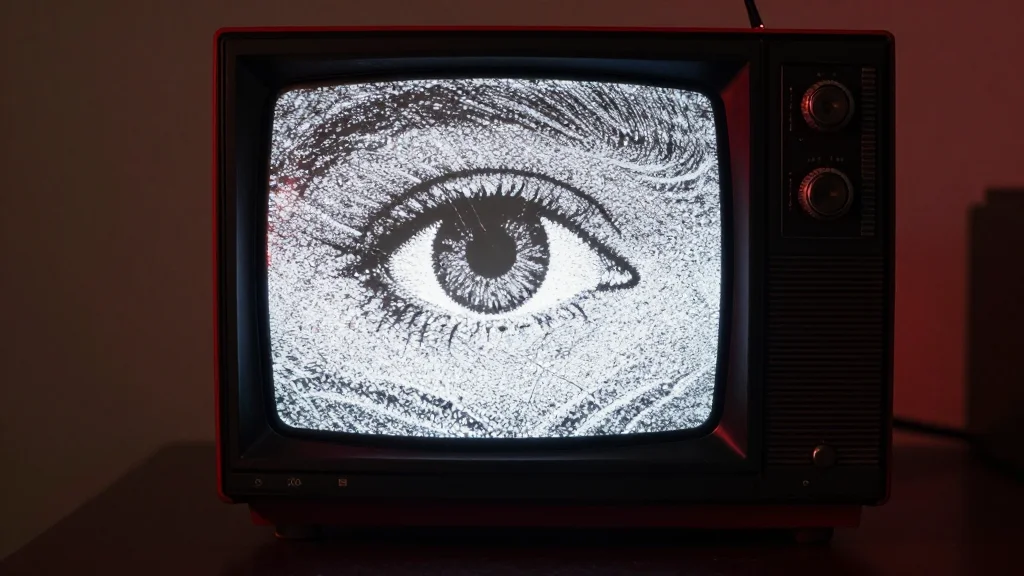
There’s a Hit Horror Movie Lurking Inside George Orwell’s ‘1984’ — If Anyone Dares to Adapt It
Why It Matters
A high‑concept 1984 film could tap a proven demand for dystopian horror, delivering significant box‑office upside while reshaping how studios approach politically charged IP.
Key Takeaways
- •U.S. adaptation rights for 1984 remain under copyright until 2045.
- •2025 election spurred a 192% sales surge for 1984.
- •Immersive stage versions proved audiences crave visceral Orwell experiences.
- •Risk‑averse studios avoid 1984 due to bleak ending and political themes.
- •Directors like Robert Eggers could deliver the needed horror‑driven adaptation.
Pulse Analysis
The resurgence of George Orwell’s 1984 in sales charts underscores a broader cultural appetite for dystopian narratives that mirror contemporary anxieties. Every time political rhetoric intensifies—whether during the 2017 "alternative facts" controversy or the 2025 presidential inauguration—readers flock to the novel, driving sales spikes that exceed 190 percent. This pattern signals a reliable, recurring market segment that actively seeks out media that interrogates surveillance, truth manipulation, and authoritarian control, making the property a prime candidate for a high‑concept cinematic event.
From a business perspective, the primary obstacle is legal: while the novel is public domain in many European territories, U.S. copyright protection extends to 2045, requiring any studio to negotiate with the Orwell estate. This adds a layer of cost and caution, especially for a story that offers no conventional happy ending. Yet comparable properties—such as The Hunger Games and The Long Walk—have proven that even bleak source material can generate blockbuster returns when paired with fresh visual language and star power. The risk‑averse mindset that has kept 1984 on the sidelines may be outweighed by the potential for a multi‑hundred‑million‑dollar franchise, especially as audiences gravitate toward prestige horror and immersive experiences.
Creative execution is the missing piece. Recent stage adaptations, notably Robert Icke and Duncan Macmillan’s 2017 Broadway run, demonstrated that audiences will physically react—fainting, walking out—when confronted with Orwell’s disorienting reality. Filmmakers like Robert Eggers, known for atmospheric literary adaptations, could translate that visceral tension to the screen, employing techniques from modern horror auteurs to blur the line between on‑screen oppression and viewer perception. With streaming platforms hungry for event cinema and theaters seeking differentiated content post‑pandemic, a daring 1984 adaptation could satisfy both artistic ambition and commercial imperatives, turning a long‑standing literary classic into a box‑office horror milestone.
There’s a Hit Horror Movie Lurking Inside George Orwell’s ‘1984’ — If Anyone Dares to Adapt It
Comments
Want to join the conversation?
Loading comments...