This Documentary Uses Drone Footage in a Way I’ve Never Seen Before
Companies Mentioned
Why It Matters
The rise of drone cinematography reshapes documentary aesthetics, but its impact hinges on intentional, context‑driven use that can amplify under‑reported issues.
Key Takeaways
- •Drone footage reshapes visual language of modern documentaries
- •Overuse risk turning drones into a cinematic cliché
- •*Our Land* uses drones to amplify Indigenous narratives
- •John Wilson’s film highlights 3‑D‑printed architecture trend
- •Effective drone use can deepen audience engagement
Pulse Analysis
The democratization of drone technology over the past decade has lowered production costs and opened the skies to filmmakers of all scales. Lightweight quadcopters, GPS stabilization, and high‑resolution sensors now allow a single operator to capture cinematic aerial shots that once required helicopters and large crews. This accessibility has flooded the documentary market with sweeping vistas, cityscapes, and architectural overviews, fundamentally altering how nonfiction stories are visualized and consumed.
However, the very convenience that fuels creativity also breeds redundancy. Critics coined the term “dronepocalypse” to describe the saturation of generic fly‑over sequences that can distract rather than inform. John Wilson’s *The History of Concrete* inadvertently exemplifies this trend when a local videographer submits drone‑heavy footage of a 3‑D‑printed Starbucks, turning a simple architectural feature into a stylized spectacle. The lesson for creators is clear: aerial shots must serve a narrative purpose, not merely showcase technology.
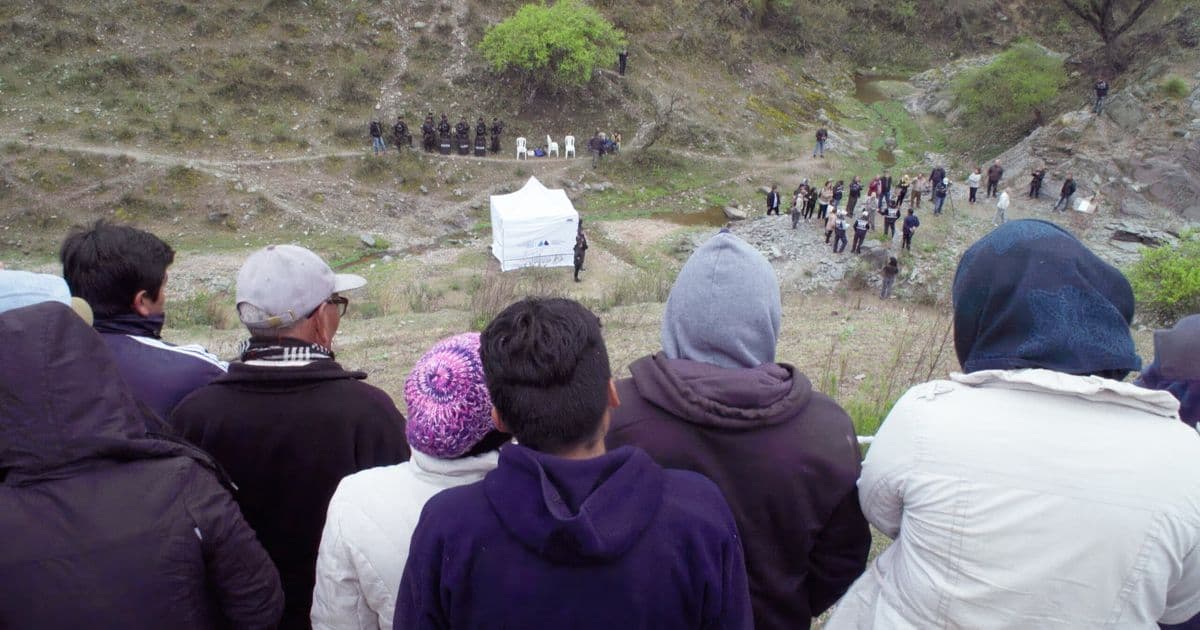
*Our Land* offers a compelling counterpoint by integrating drones to expose the stark realities of Indigenous land disputes in Colombia. By hovering over contested terrain and the site of Javier Chocobar’s murder, the film provides viewers with a spatial context that ground‑level cameras cannot achieve. This strategic use of aerial imagery deepens audience empathy and underscores the urgency of land‑rights activism. As documentaries continue to evolve, the discerning application of drone footage will distinguish insightful storytelling from visual noise, shaping the future of nonfiction cinema.
This Documentary Uses Drone Footage in a Way I’ve Never Seen Before
Comments
Want to join the conversation?
Loading comments...