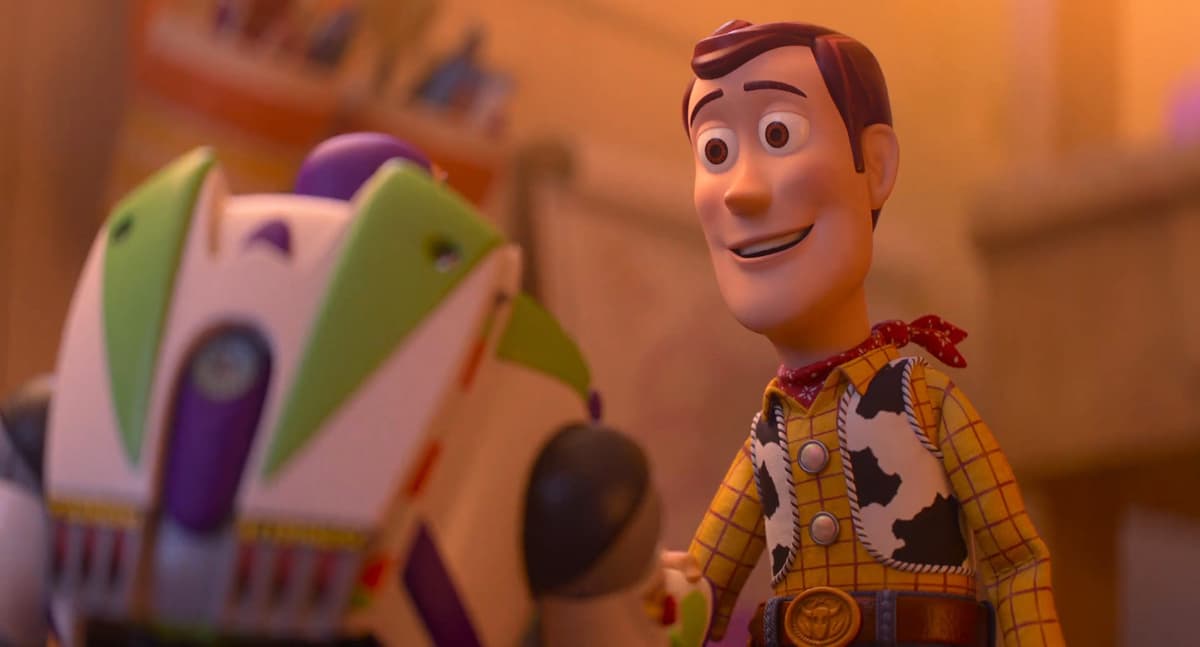
Tom Hanks Explains Woody's Bald Spot in Toy Story 5
Why It Matters
The explanation deepens fan engagement by humanizing an iconic character, while Pixar’s focus on tech‑driven storytelling signals the studio’s effort to stay culturally relevant in a digital‑first era.
Key Takeaways
- •Woody’s bald spot explained as wear from repeated hat removal
- •Beer‑belly attributed to settling cloth and stuffing material
- •Stanton says the sequel explores tech’s impact on play
- •Toy Story 5 releases worldwide on 19 June 2026
- •Fans receive character design details via Hanks interview
Pulse Analysis
Pixar’s Toy Story franchise has become a cultural touchstone, and the rollout of Toy Story 5 follows a meticulously staged marketing campaign. The teaser trailer, released earlier this year, not only re‑introduces Woody in Bonnie’s room but also teases subtle visual updates that spark conversation among longtime fans. By highlighting these details—such as the newly visible bald spot—Pixar leverages curiosity to drive social media buzz, a tactic that has proven effective for previous sequels and helps sustain box‑office momentum in a crowded summer slate.
The character‑design choices discussed by Tom Hanks reveal Pixar’s commitment to realism within its stylized world. Hanks’ comment that repeated hat removal caused a “worn area” on Woody’s head, and that his belly reflects the natural settling of stuffing, underscores the studio’s attention to tactile authenticity. This level of detail resonates with audiences who appreciate the blend of nostalgia and tangible aging, reinforcing emotional attachment and encouraging repeat viewings. Moreover, it showcases the evolving capabilities of animation pipelines that now simulate material fatigue and fabric behavior, setting a new benchmark for future sequels.
Beyond the visual nuances, Toy Story 5 tackles a broader industry narrative: the intersection of technology and childhood play. Director Andrew Stanton frames the tablet antagonist as a commentary on declining physical toy interaction, positioning the film as both entertainment and cultural critique. By confronting the digital shift, Pixar aligns itself with contemporary parental concerns while appealing to a tech‑savvy generation. This thematic relevance, combined with the franchise’s proven box‑office draw, positions Toy Story 5 as a strategic release that could reinforce Pixar’s market dominance and set a precedent for legacy sequels that blend nostalgia with timely social commentary.
Tom Hanks explains Woody's bald spot in Toy Story 5
Comments
Want to join the conversation?
Loading comments...