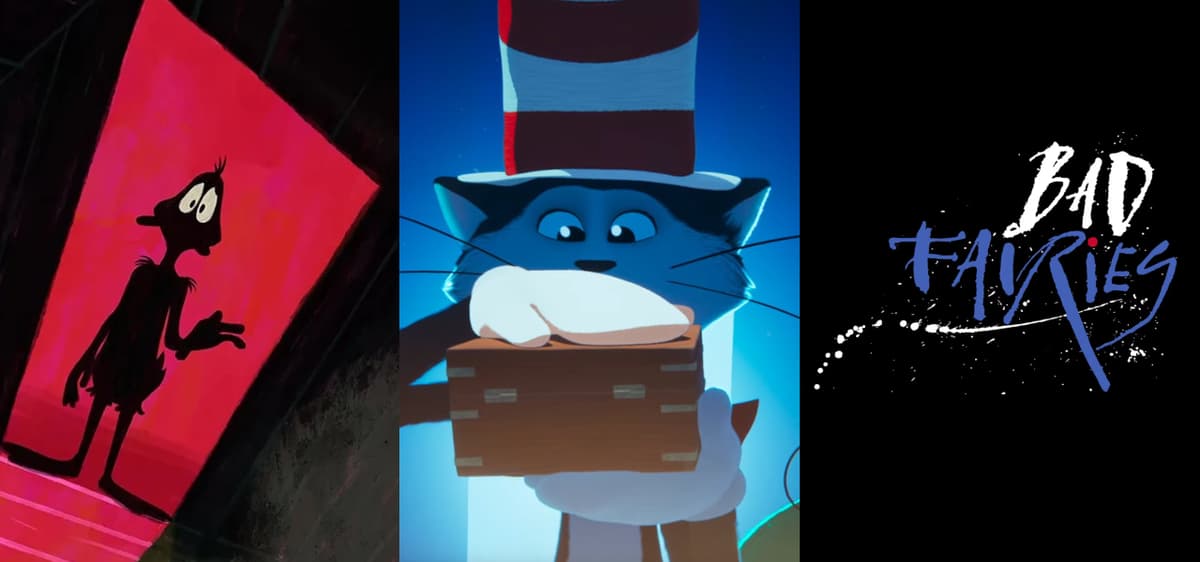
Warner Bros. Pictures Animation Bosses Re-Commit To Theatrical Animation Distribution
Why It Matters
Re‑committing to theatrical animation strengthens Warner’s brand equity, diversifies its revenue streams, and counters streaming fragmentation by delivering family‑friendly events that drive box‑office attendance.
Key Takeaways
- •WBPA aims to release seven theatrical animated films by 2028.
- •First release, The Cat in the Hat, opens Nov 6, 2026.
- •Legacy Looney Tunes short Daffy Season signals brand revival.
- •Original titles Bad Fairies and Margie Claus diversify the lineup.
- •250 artists in 13 countries illustrate WBPA's global production network.
Pulse Analysis
The animation market has rebounded as studios recognize the genre’s unique draw for families and its ability to generate blockbuster‑level box‑office returns. Warner Bros. Pictures Animation’s renewed commitment to theatrical distribution reflects this trend, positioning the label to compete with Disney, Pixar, and emerging players. By emphasizing "bold, modern animated films" designed for global audiences, WBPA seeks to reclaim a share of the lucrative family‑entertainment segment that streaming services have struggled to replicate in a communal setting.
WBPA’s upcoming slate blends familiar IP with fresh concepts, a formula that mitigates risk while fostering creative growth. *The Cat in the Hat* serves as a litmus test for the studio’s theatrical ambitions, while *Daffy Season* and projects like *Bad Fairies* and *Margie Claus* showcase a diversified portfolio that spans holiday comedy, fantasy, and reimagined classics. The inclusion of external properties such as Hello Kitty, Dr. Seuss’s *Oh, the Places You’ll Go!*, and the YA series *Lunar Chronicles* expands the label’s global appeal and taps into established fan bases, potentially boosting international ticket sales.
Strategically, the move signals Warner’s broader effort to counteract the streaming‑first mindset that has fragmented audiences. With a workforce of roughly 250 artists in 13 countries and a total production network exceeding a thousand creatives, WBPA can leverage cost‑effective, cross‑border pipelines while maintaining high production values. The label’s aggressive schedule—seven films in three years versus six in the previous decade—suggests confidence that theatrical animation will remain a cornerstone of moviegoing, driving ancillary revenue from merchandising, licensing, and theme‑park tie‑ins. This renewed focus may pressure competitors to double down on theatrical releases, reshaping the animation landscape for the next decade.
Warner Bros. Pictures Animation Bosses Re-Commit To Theatrical Animation Distribution
Comments
Want to join the conversation?
Loading comments...