Key Takeaways
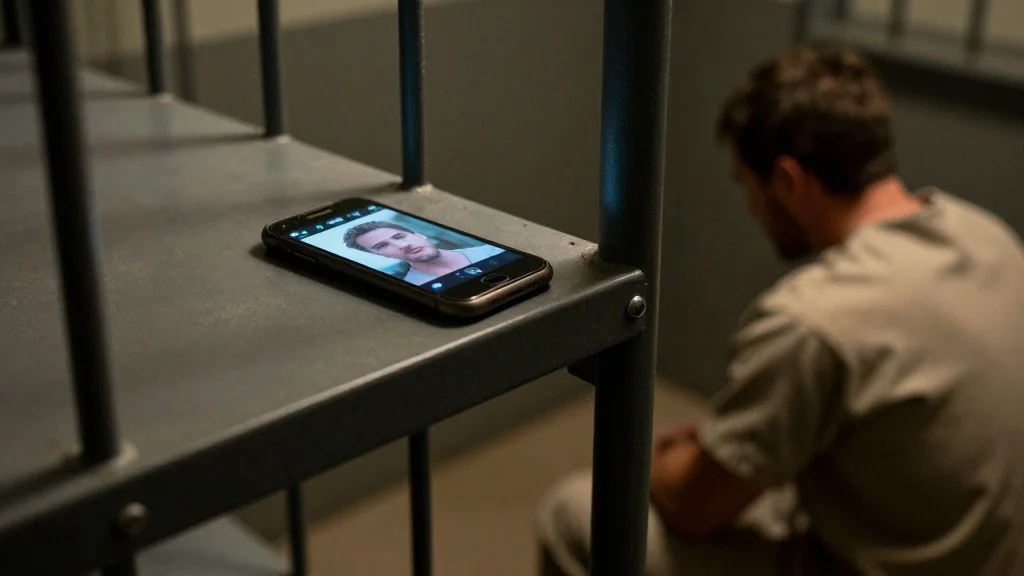
- •Mobile phone footage drives the film’s gritty, social‑media aesthetic
- •David Johnsson delivers a restrained, emotionally resonant lead performance
- •Tom Blyth’s volatile Dee injects tension and unpredictability
- •The film blends conventional prison drama with modern thriller pacing
Pulse Analysis
The rise of user‑generated content has seeped beyond TikTok and Instagram, influencing how filmmakers frame narrative realism. "Wasteman" leverages vertically‑shot, handheld footage recorded by inmates, turning what would normally be a behind‑the‑scenes curiosity into a core storytelling device. This approach not only heightens the visceral impact of prison life but also aligns the film with the visual language of today’s social media consumers, making the setting feel immediate and unsettling.
Performance-wise, David Johnsson anchors the film with a subdued portrayal of a father torn from his teenage son, using subtle facial cues to convey years of institutional fatigue and opioid dependence. Tom Blyth’s Dee serves as a foil, oscillating between camaraderie and menace, which amplifies the narrative tension. The dynamic between the two characters underscores broader themes of redemption, survival, and the fragile hope of reunification that often drive prison dramas, while the film’s pacing shifts toward a high‑stakes thriller as the release date looms.
From a market perspective, "Wasteman" arrives at a time when streaming platforms are hungry for genre hybrids that can attract both thriller enthusiasts and socially conscious viewers. Its 7/10 rating suggests solid critical reception, and the novel visual style may inspire other creators to experiment with authentic, user‑captured media. As audiences continue to gravitate toward content that mirrors their digital experiences, the film’s blend of classic storytelling and modern aesthetics could set a new benchmark for future prison‑oriented narratives.
Wasteman
Comments
Want to join the conversation?