Key Takeaways
- •Debut film employs rotoscoping for lifelike character movement
- •Explores childhood bullying and lasting psychological alienation
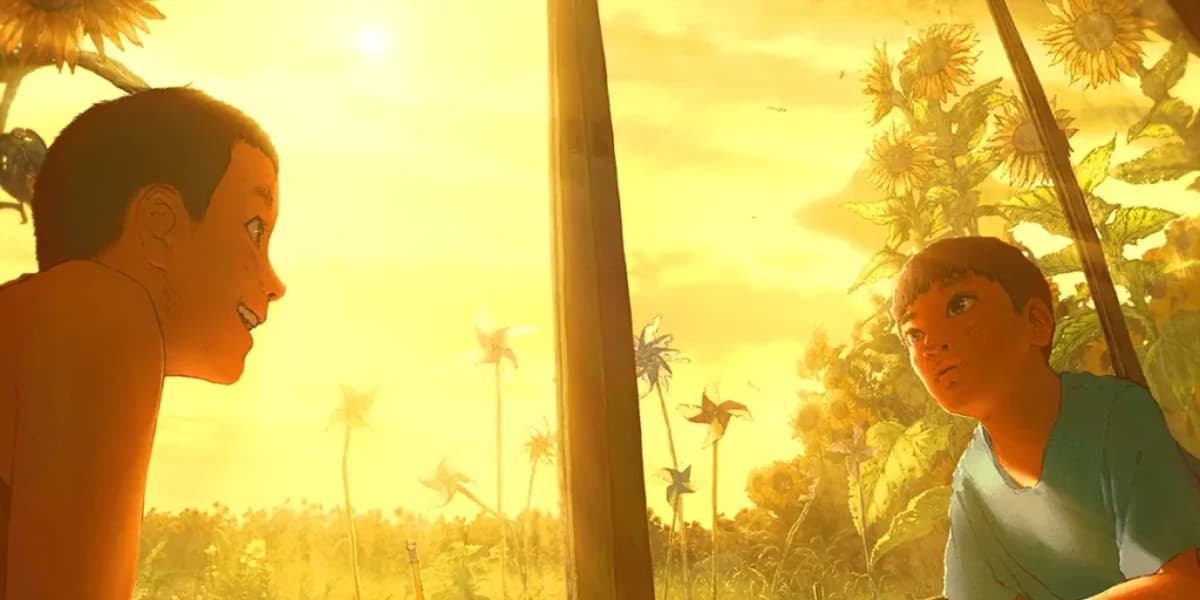
- •Combines hand‑drawn art with realistic textures, mirroring memory instability
- •Rejects typical underdog arc, presenting unresolved emotional damage
- •Runs just under two hours, occasionally feeling overextended
Pulse Analysis
Rotoscoping, once a niche technique in Western cinema, is gaining traction in Japanese animation as creators chase greater realism. Kohei Kadowaki’s We Are Aliens pushes the method further by tracing live‑action footage yet preserving a hand‑drawn aesthetic, resulting in characters whose micro‑expressions feel almost tactile. This hybrid approach not only heightens emotional resonance but also sets a new visual benchmark for indie studios that lack the budget for full‑scale CGI. As streaming platforms expand their anime catalogs, such stylistic innovation offers a fresh selling point for global audiences.
The narrative centers on Tsubasa and Gyotaro, two elementary students whose innocent missteps evolve into a painful power imbalance. By framing bullying as a form of alienation, the film challenges the familiar underdog redemption arc and instead portrays trauma as a lingering scar that can persist into adulthood. Memory distortion is visualized through shifting backgrounds and Van Gogh‑inspired color washes, reinforcing how recollection can become both vivid and unreliable. This unflinching look at psychological damage resonates with viewers who have experienced similar social exclusion, expanding anime’s thematic repertoire beyond fantasy and adventure.
From a business perspective, We Are Aliens arrives at a time when Western streaming services are investing heavily in premium anime content. Its mature tone and artistic ambition make it a strong candidate for curated collections aimed at adult subscribers, potentially driving higher engagement metrics than conventional shōnen titles. Moreover, the film’s success could encourage other emerging directors to experiment with hybrid animation techniques, diversifying the market’s visual language. As audiences increasingly seek stories that blend aesthetic sophistication with substantive themes, titles like We Are Aliens may redefine profitability benchmarks for boutique animation studios.
We Are Aliens - Edin Custo - 20329
Comments
Want to join the conversation?