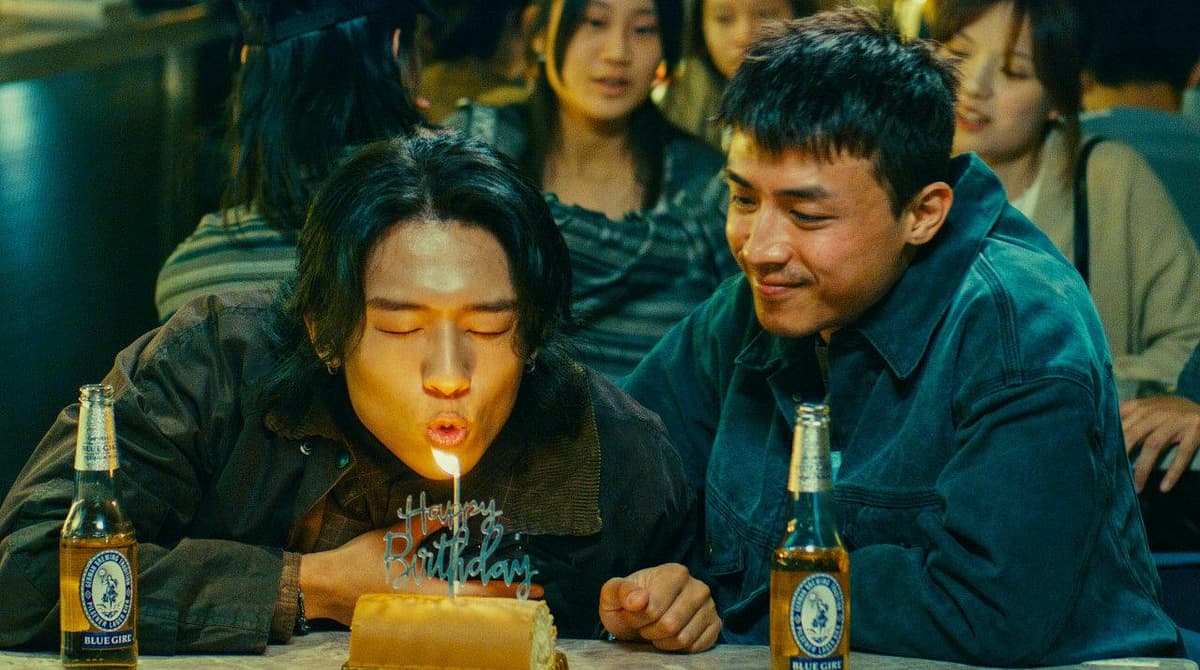
We’re Nothing At All (2026) by Herman Yau Film Review
Key Takeaways
- •Film earned $500K in two weeks after HKIFF debut
- •Yau self‑financed, highlighting funding challenges for socially driven Hong Kong movies
- •Leads Anson Kong and Ansonbean portray rare openly gay characters
- •Story links class struggle with tragic double suicide on Valentine’s Day
Pulse Analysis
Herman Yau, a veteran of Hong Kong’s commercial film scene with over 80 titles, has long balanced big‑budget blockbusters and low‑key, message‑driven projects. “We’re Nothing At All” marks a personal venture, financed almost entirely by Yau himself after traditional investors shied away from its difficult subject matter. This self‑reliant approach underscores a broader financing gap for socially relevant films in Hong Kong, where studios often favor proven genre formulas. By leveraging his reputation and modest production costs, Yau demonstrates a viable path for auteur‑driven cinema in a market increasingly wary of financial risk.
The film tackles multiple layers of social tension: it foregrounds a gay couple navigating precarious employment, housing insecurity, and systemic discrimination, all culminating in a double suicide that shocks the city. By situating the tragedy on Valentine’s Day and using a bus explosion as a visceral hook, Yau blends thriller mechanics with a stark commentary on class inequality. The casting of teen idols Anson Kong and Ansonbean signals a cultural shift, as openly gay roles remain rare in mainstream Hong Kong media. Their performance, coupled with gritty forensic storytelling, offers audiences a rare glimpse into marginalized lives while maintaining cinematic tension.
From a market perspective, the $500,000 opening illustrates that audiences are receptive to films that prioritize depth over spectacle. This aligns with a recent wave of locally produced titles—such as “Still Human” and “The Way We Talk”—that have found both critical acclaim and modest commercial success. As streaming platforms expand their Asian catalogs, titles like “We’re Nothing At All” become attractive acquisition candidates, providing additional revenue streams beyond theatrical runs. The film’s performance may encourage financiers to allocate resources toward socially resonant narratives, potentially reshaping Hong Kong’s production landscape toward more diverse and issue‑focused storytelling.
We’re Nothing At All (2026) by Herman Yau Film Review
Comments
Want to join the conversation?