Why It Matters
The revitalized IMAX version demonstrates how cutting‑edge restoration can extend the cultural lifespan of documentary cinema, attracting new audiences and setting a benchmark for preserving visual heritage. It also underscores the commercial viability of high‑resolution re‑releases in a market hungry for premium theatrical experiences.
Key Takeaways
- •5‑year restoration upscaled original 2K footage to 6K resolution
- •New Atmos mix immerses viewers in cave sounds and music
- •IMAX debut targets both cinephiles and mainstream audiences
- •Herzog’s only 3D film now meets modern visual standards
Pulse Analysis
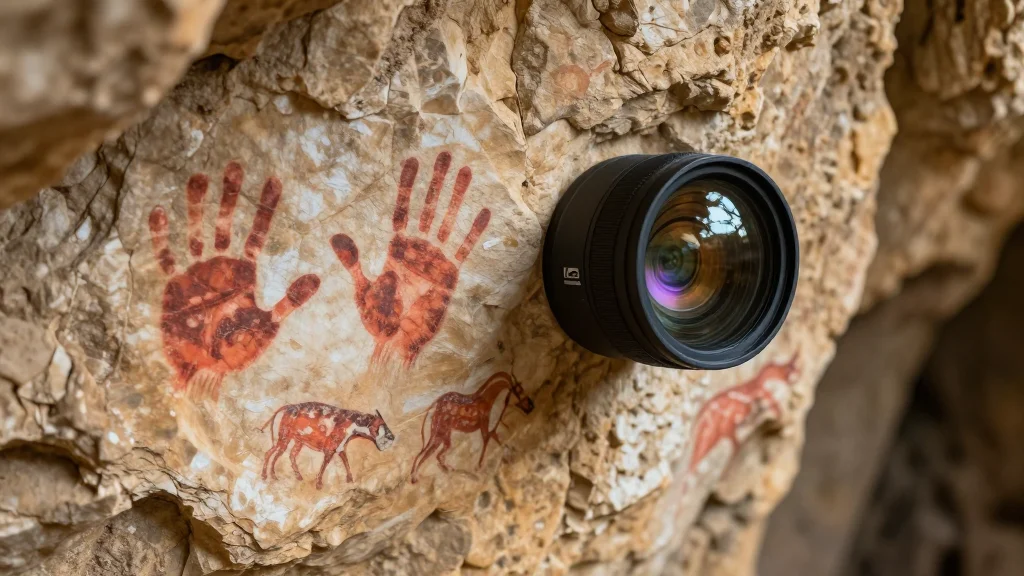
The five‑year restoration of *Cave of Forgotten Dreams* showcases how advances in digital imaging can revitalize legacy documentaries. By returning to the original RAW 2K files, technicians were able to boost brightness, sharpen color fidelity, and upscale the image to 6K, a resolution that exceeds current 4K standards and prepares the film for future display technologies. Coupled with a newly mixed Dolby Atmos soundtrack, the IMAX version delivers an immersive sensory experience that mirrors Herzog’s original intent to let viewers feel the cave’s texture and echo.
Beyond technical upgrades, the re‑release signals a broader shift in the documentary market toward premium theatrical events. Audiences increasingly seek high‑impact, experience‑driven content, and studios are capitalizing on that demand by re‑issuing acclaimed titles in premium formats. Herzog’s film, already lauded for its pioneering use of 3D in a scientific context, now benefits from a distribution strategy that pairs limited‑run IMAX screenings with a subsequent arthouse rollout, maximizing both revenue and cultural impact. This approach may encourage other filmmakers to revisit their back catalogues, especially works that rely heavily on visual immersion.
The project also raises important questions about preserving humanity’s visual heritage. The Chauvet Cave paintings are irreplaceable artifacts, and high‑resolution digital preservation ensures they can be studied and appreciated for generations. As restoration pipelines become more sophisticated, museums and archives are likely to adopt similar workflows, creating a new standard for safeguarding fragile cultural sites. In turn, this could spur investment in specialized equipment and expertise, reinforcing the symbiotic relationship between technology, cinema, and heritage conservation.
Werner Herzog’s 3D Masterpiece Gets an IMAX Comeback
Comments
Want to join the conversation?
Loading comments...