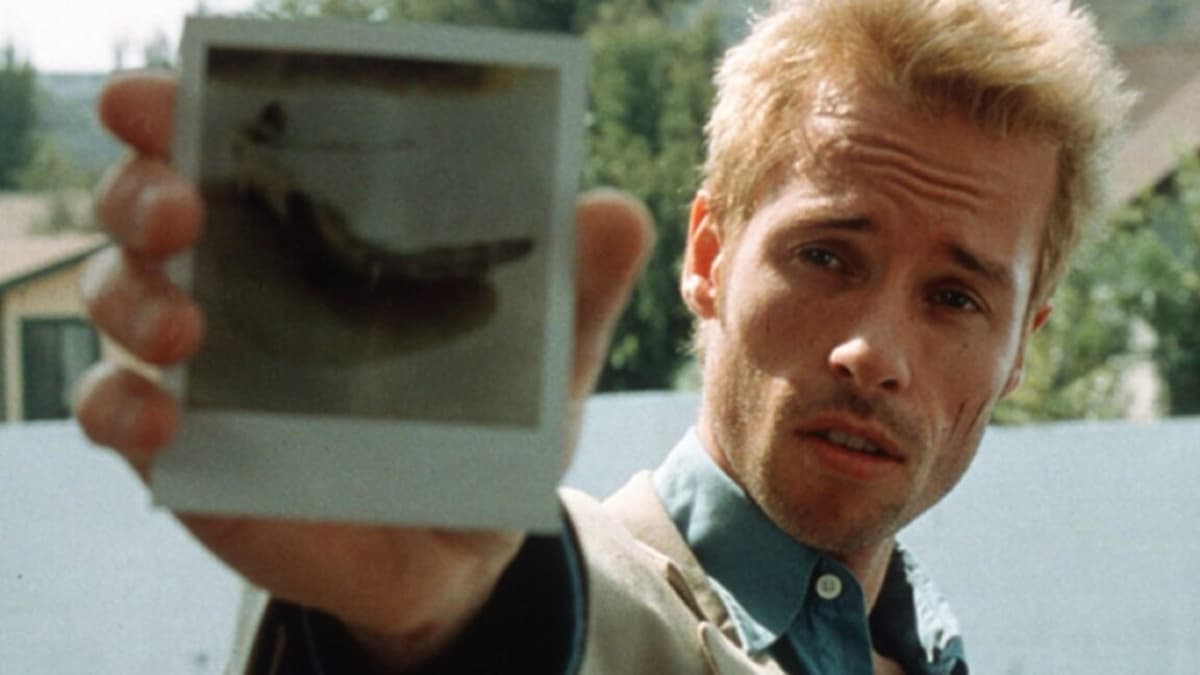
What Memento Reveals About Human Nature, 25 Years Later
Why It Matters
*Memento* proved that innovative narrative structures can succeed commercially and influence mainstream cinema, while its accurate depiction of memory disorders opened dialogue between filmmakers and neuroscientists, reshaping Hollywood’s approach to psychological realism.
Key Takeaways
- •Nolan's $4.5M budget proved low-cost blockbuster viability
- •Reverse chronology immerses audience in protagonist's memory loss
- •Film sparked neuroscience interest in cinematic portrayal of amnesia
- •Themes seeded future Nolan franchises like Inception and Tenet
- •Casting Guy Pearce after Brad Pitt declined shaped film's tone
Pulse Analysis
5 million budget, the decision signaled a shift toward high‑concept, low‑cost filmmaking that could compete with studio blockbusters. Christopher Nolan, then an emerging writer‑director, turned a road‑trip story from his brother Jonathan into a screenplay that attracted investors despite Brad Pitt’s refusal to star. By casting Guy Pearce and recruiting Carrie‑Ann Moss through personal connections, Nolan kept costs down while preserving artistic ambition. The film’s modest production values proved that a tightly crafted premise and inventive direction can generate strong box‑office returns and critical acclaim.
The core of *Memento* lies in its reverse‑chronological structure, which forces viewers to experience the protagonist’s anterograde amnesia in real time. Each scene unfolds either in black‑and‑white chronological order or in color backward, converging at the climax and mirroring the way memory fragments are reconstructed. Neuroscientists have praised the film for accurately portraying the inability to form new long‑term memories, a rarity in mainstream cinema.
This alignment of narrative technique with cognitive science not only deepens audience engagement but also opened a dialogue between Hollywood and the scientific community about responsible portrayals of neurological conditions. The ripple effects of *Memento* are evident throughout Nolan’s later franchises, where memory, identity, and self‑deception become recurring motifs in *Inception*, *Interstellar*, and *Tenet*. For business leaders, the film offers a case study in how disruptive storytelling can differentiate a product in a crowded market and create lasting brand equity. Moreover, the film’s success encouraged studios to invest in concept‑driven projects that blend entertainment with intellectual rigor, a trend that continues to shape content strategy across streaming platforms and tech‑driven media ventures.
What Memento reveals about human nature, 25 years later
Comments
Want to join the conversation?
Loading comments...