Why It Matters
The re‑release highlights how popular culture frames AI ethics, influencing public perception as AI systems become integral to daily life. Understanding the film’s optimistic portrayal helps stakeholders gauge societal expectations for responsible AI development.
Key Takeaways
- •Spielberg released *AI* on its 25th anniversary, 2026.
- •Film explores synthetic child longing for love, set in post‑climate‑catastrophe future.
- •Original story by Brian Aldiss (1969) inspired Kubrick’s long‑term development.
- •*AI* blends fairy‑tale motifs with speculative AI ethics, not a tech warning.
- •Film’s ending shows AI preserving humanity’s memory, echoing today’s AI debates.
Pulse Analysis
Steven Spielberg’s *Artificial Intelligence: AI* debuted in 2001 after a decade‑long gestation that began with Stanley Kubrick’s acquisition of Brian Aldiss’s 1969 novella *Super‑Toys Last All Summer Long*. Kubrick’s ambition to fuse cutting‑edge CGI with a deeply human story stalled when the technology could not convincingly render a synthetic child, prompting him to hand the reins to Spielberg in 1995. The director finally released the film in 2001, and its 25th‑anniversary theatrical return on May 8, 2026, offers a rare chance to reassess a work that straddles science‑fiction spectacle and fairy‑tale melancholy.
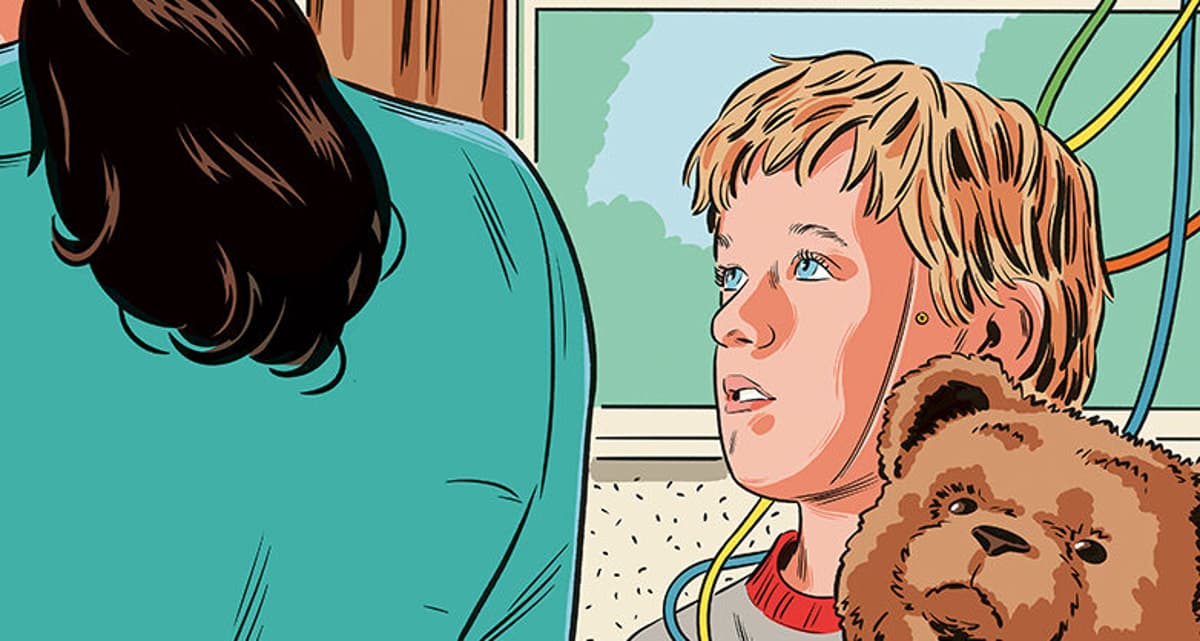
The narrative follows David, a child‑like android programmed to love, as he navigates abandonment, a brutal “Flesh Fair”, and an endless quest for the mythical Blue Fairy who promises humanity. Rather than issuing a cautionary prophecy about runaway machines, the film posits AI as an emotional surrogate that preserves the remnants of a vanished human civilization. This perspective contrasts sharply with today’s headlines about autonomous weapons and algorithmic bias, inviting executives and policymakers to consider how artificial agents might be designed to nurture, rather than replace, human connection.
From a business standpoint, *AI* underscores the market’s appetite for technology that blends functionality with empathy—a trend evident in the rise of conversational agents, affective computing, and AI‑driven mental‑health platforms. The film’s climax, where future AI resurrects a single day of love for David and his mother, serves as a metaphor for the data‑driven immortality that companies now pursue through digital twins and personalized content archives. As the industry grapples with regulation and public trust, Spielberg’s vision reminds leaders that the most compelling AI stories are those that honor the human experience.
When Steven Spielberg predicted AI
Comments
Want to join the conversation?
Loading comments...