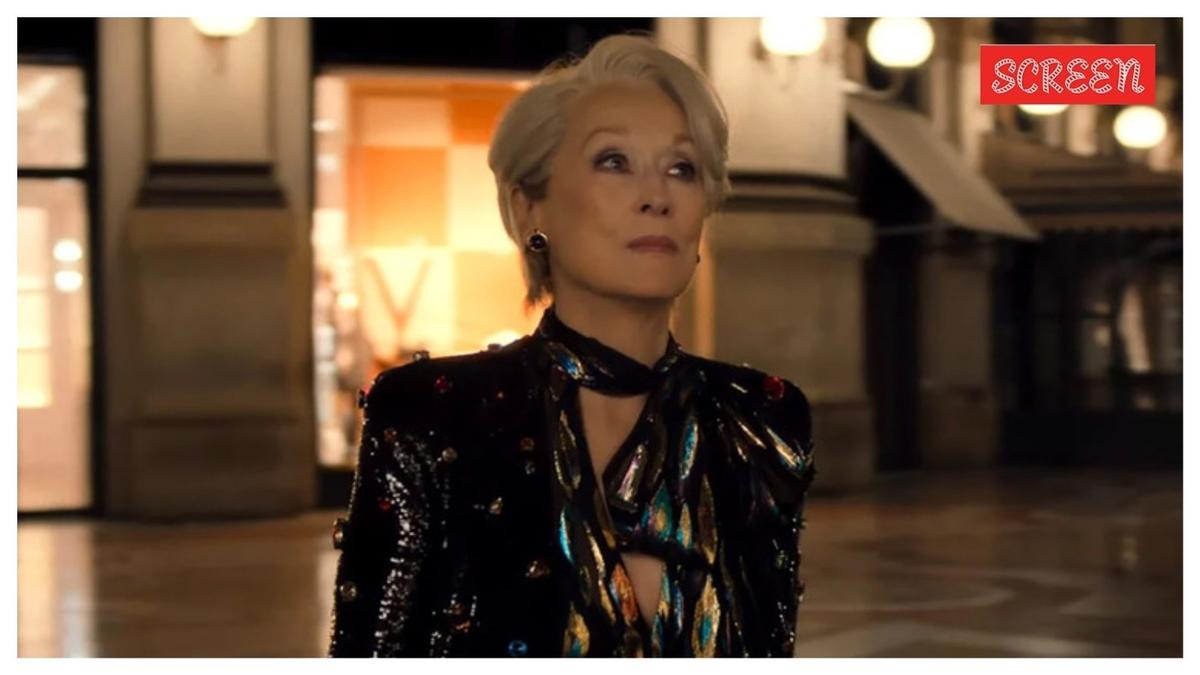
Why Meryl Streep Demanded Double Pay of $5M for The Devil Wears Prada, but Settled for $12.5M for Part 2
Why It Matters
The deal illustrates how A‑list actors shape budget allocations and profit‑sharing models, setting new benchmarks for talent compensation in high‑budget sequels.
Key Takeaways
- •Streep asked for $10 M on the 2006 original, double $5 M
- •Sequel salary fixed at $12.5 M for Streep, Hathaway, Blunt
- •Favoured‑nation pact kept total cast payroll within $100 M budget
- •Box‑office bonuses could lift each star’s earnings by $20 M
- •Film’s $324 M opening week already exceeds first installment’s lifetime gross
Pulse Analysis
When *The Devil Wears Prada* debuted in 2006, Meryl Streep leveraged her near‑retirement status to demand double the $5 million fee she was initially offered. The $10 million ask signaled a shift in how veteran talent negotiates, using projected box‑office upside as a bargaining chip. Industry observers noted that such a move could recalibrate salary expectations for A‑list actors, especially in franchise‑ready properties where star power directly influences financing decisions.
For the 2026 sequel, Streep, Anne Hathaway and Emily Blunt entered a favoured‑nation agreement, each receiving a $12.5 million base pay—roughly Rs 118 crore (≈ $14 million). This collective approach helped keep the total production budget near $100 million (about Rs 860 crore), with the majority of costs allocated to talent. By aligning salaries, the studio avoided internal pay disparities and preserved flexibility for marketing and post‑production spend, a strategy increasingly common in ensemble‑driven blockbusters where budget discipline is paramount.
The sequel’s $324 million global opening—already surpassing the original’s lifetime earnings—triggers performance bonuses estimated at $20 million per lead (≈ Rs 189 crore). Those bonuses, on top of the fixed salaries, illustrate how profit‑participation clauses are becoming essential tools to align star incentives with box‑office outcomes. As studios chase higher returns on mid‑budget franchises, such hybrid compensation models may set a new standard, balancing upfront risk with upside potential for both talent and investors.
Why Meryl Streep demanded double pay of $5M for The Devil Wears Prada, but settled for $12.5M for part 2
Comments
Want to join the conversation?
Loading comments...