Key Takeaways
- •Behzod Abdurimov programmed Czerny’s Op.33 in recital.
- •Czerny known for technical studies, rarely performed as concert piece.
- •13‑minute work challenges audience patience and expectations.
- •Review highlights contrast between virtuosity and perceived boredom.
- •Programming risks can attract niche listeners and media attention.
Pulse Analysis
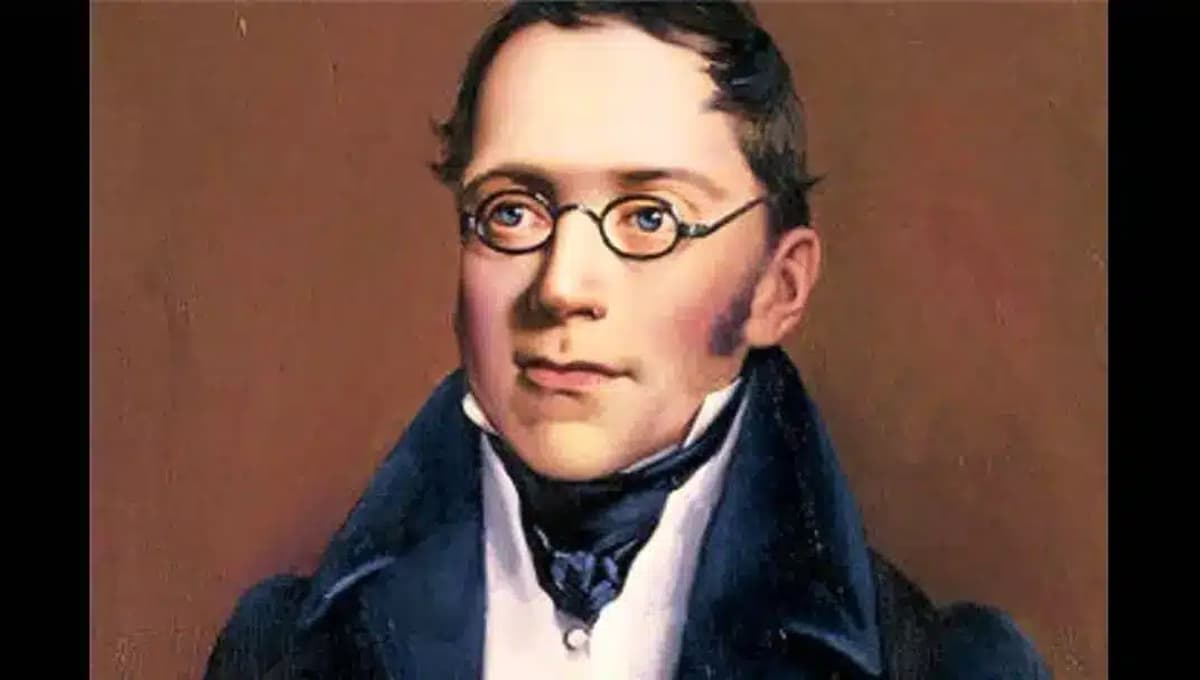
In the world of classical concerts, repertoire selection is as strategic as any business decision. By choosing Carl Czerny—a name synonymous with piano exercises rather than concert hall staples—Behzod Abdurimov signaled a willingness to disrupt audience expectations. Czerny’s Op.33, a set of variations on a Pierre Rode theme, demands technical mastery while offering little melodic novelty, making it a litmus test for both performer confidence and listener endurance. This bold programming move underscores a growing trend where artists leverage unconventional works to stand out in a saturated cultural landscape.
The reaction to Abdurimov’s performance illustrates how risk can translate into buzz. Critics highlighted the tension between virtuosity and boredom, a narrative that fuels online discussion and drives traffic to reviews and streaming platforms. In an era where classical music competes with on‑demand content, such polarising choices can generate viral moments, attract niche audiences seeking novelty, and provide fresh content for digital marketing campaigns. Concert promoters can capitalize on this attention by bundling recordings, behind‑the‑scenes footage, and interactive Q&A sessions, turning a single daring set‑list into a multi‑channel engagement strategy.
From a business perspective, embracing repertoire that challenges norms may boost ticket sales and brand equity. Artists who demonstrate artistic courage often command higher fees and secure sponsorships from brands eager to associate with innovation. Moreover, streaming services benefit from increased plays of rare works, expanding revenue streams for both performers and rights holders. As the classical industry navigates declining attendance, strategic programming—like Abdurimov’s Czerny experiment—offers a viable path to revitalise audience interest and sustain financial health.
A daring pianist plays the most boring composer
Comments
Want to join the conversation?