Key Takeaways
- •Asake spoke primarily Yoruba in Spotify Frequency interview, subtitles provided
- •Yoruba usage signals Afrobeats' shift from English‑centric to cultural authenticity
- •Global audiences now accept subtitles, easing non‑English music consumption
- •Success of K‑pop and Latin hits paved way for African language visibility
- •Artists' language choices still hinge on market leverage and risk tolerance
Pulse Analysis
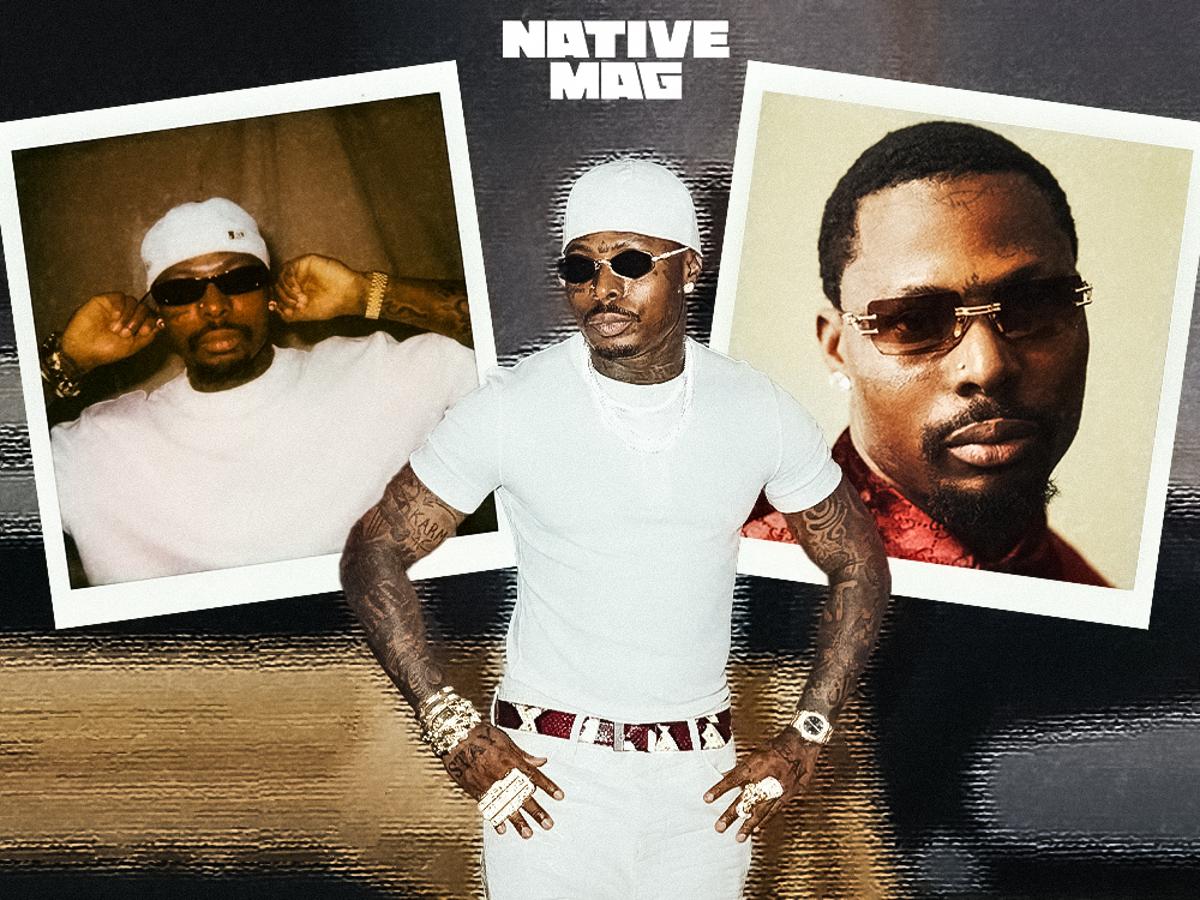
The rise of Asake’s Yoruba‑only interview underscores a pivotal moment for Afrobeats, where linguistic authenticity is no longer a barrier to global platforms. Historically, Nigerian artists tempered accents or sang in English to satisfy gatekeepers in London, Los Angeles, or streaming playlists. Asake, who broke out in 2022, leveraged his massive streaming numbers to flip that script, allowing subtitles to bridge any comprehension gap. This confidence signals that the genre has amassed enough cultural capital to dictate its own terms, much like K‑pop’s unapologetic Korean lyrics or Bad Bunny’s Spanish verses.
Audience habits have evolved dramatically over the past decade. Viewers binge Korean dramas with subtitles, club‑goers chant Spanish hooks, and listeners stream tracks they can’t fully translate, prioritizing rhythm and emotion over literal meaning. Subtitles have become an invisible layer of consumption, normalizing multilingual content and reducing the perceived risk for record labels. As a result, artists like Asake can now present their music and persona in Yoruba without fearing market exclusion, turning language into a texture rather than a hurdle.
The broader industry implication is a re‑calibration of artist development strategies. Managers may begin to champion native‑language releases, recognizing that authenticity can drive deeper fan engagement and differentiate acts in an oversaturated market. However, the shift is not automatic; it still requires the leverage of established stars who can absorb any short‑term commercial risk. As more African musicians follow Asake’s lead, the balance of power could tilt further toward cultural self‑determination, reshaping how global music is marketed and consumed.
Asake Is Meeting The World On His Own Terms
Comments
Want to join the conversation?