Bad Takes Make Joe’s Stories (or, People Freaked Out About Car Seat Headrest’s ‘Joe’s Story’)
Key Takeaways
- •Joe’s Story rerecords Teens of Denial with altered lyrics and new songs.
- •Fans criticized mixing quality, lyric censorship, and perceived religious motives.
- •Drummer’s Bluesky comment sparked speculation about lead singer’s faith.
- •Past revisions like Twin Fantasy set expectations for definitive album versions.
- •Algorithmic amplification turned a modest anniversary release into a reputational controversy.
Pulse Analysis
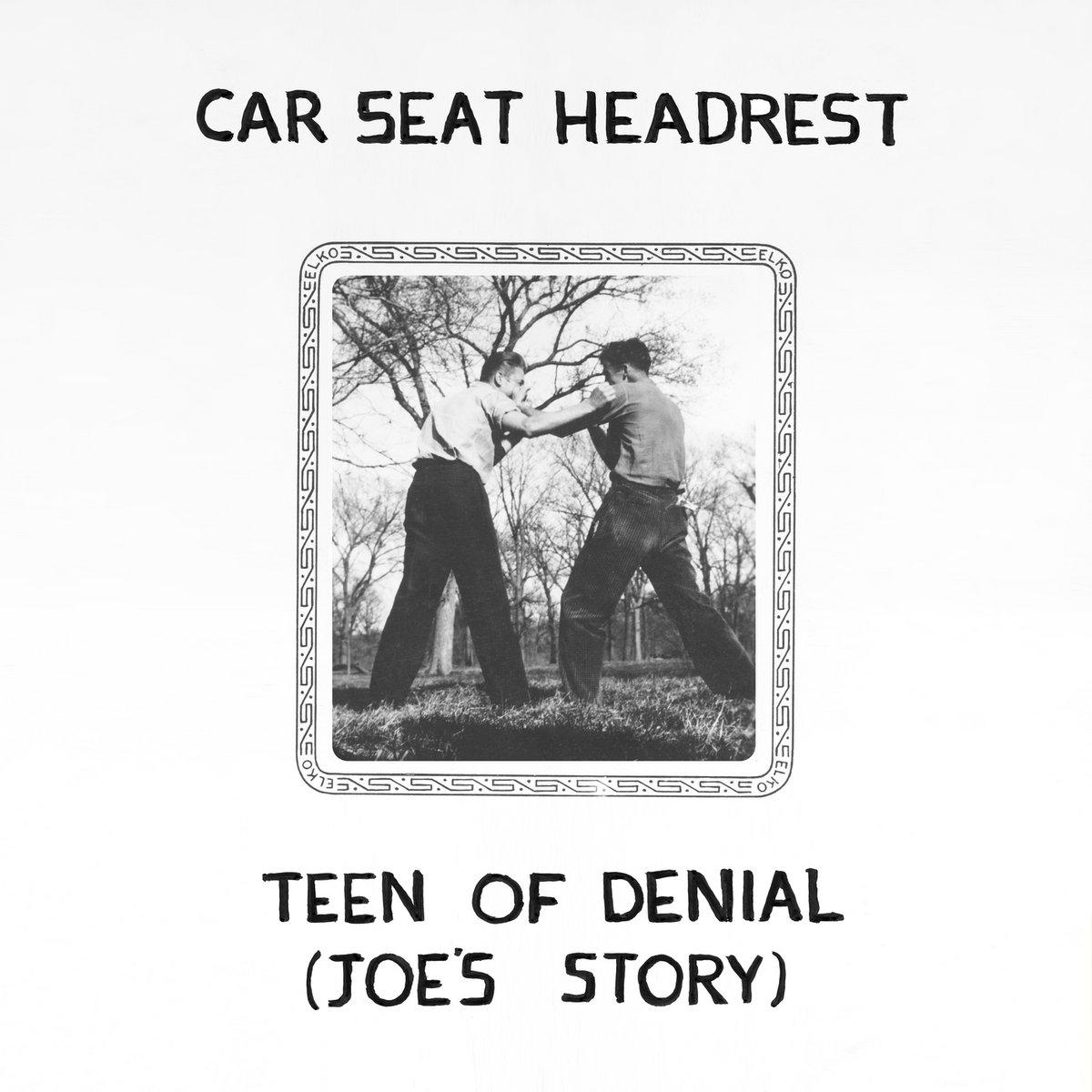
Car Seat Headrest’s tenth‑anniversary edition, *Joe’s Story*, revisits the 2016 Matador debut *Teens of Denial* by re‑recording every track, tweaking lyrics, and adding two fresh songs. Lead singer Will Toledo framed the project as a concept album following his alter‑ego Joe through addiction and sobriety, rather than a definitive replacement. The move echoes the band’s earlier practice of revisiting earlier work—most notably the 2018 overhaul of *Twin Fantasy*—and reflects a broader indie‑rock trend where artists leverage anniversary releases to deepen narratives and monetize back‑catalogues.
The release immediately ignited a firestorm on platforms such as Bluesky, Reddit, and Twitter. Listeners lambasted the mix, complained about sanitized lyrics, and seized on a drummer’s off‑hand remark linking the lyrical edits to Toledo’s religious studies background. That comment spiraled into speculation that the frontman had embraced a conservative faith, prompting accusations of homophobia despite his openly queer identity. Social‑media algorithms amplified the most sensationalist takes, rewarding outrage with visibility and turning a modest re‑issue into a reputational crisis.
The *Joe’s Story* episode underscores how digital discourse can reshape an artist’s brand. In an era where streaming revenue is thin, indie acts rely on fan goodwill and narrative control; a single viral controversy can erode that capital. Labels and managers must anticipate how lyrical changes, even well‑intentioned, will be parsed by algorithm‑driven feeds. For fans, the episode is a reminder to practice digital literacy and separate artistic intent from platform‑generated hype. Ultimately, the controversy offers a case study in the power—and peril—of social‑media amplification in the modern music industry.
Bad Takes Make Joe’s Stories (or, People Freaked Out About Car Seat Headrest’s ‘Joe’s Story’)
Comments
Want to join the conversation?