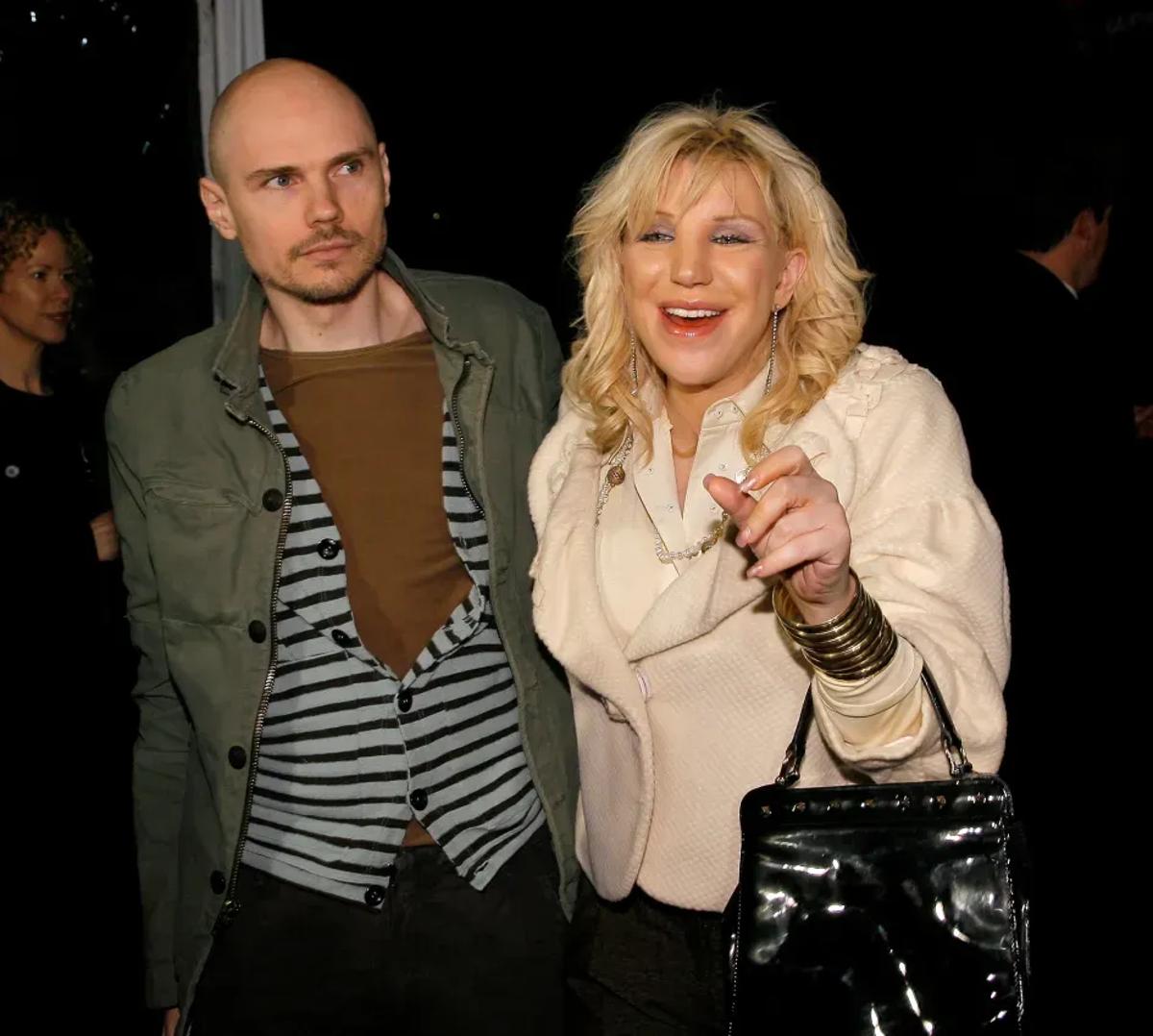
Billy Corgan and Courtney Love Bond over Their Kim Gordon Grudges
Key Takeaways
- •Corgan and Love discuss grievances against Kim Gordon
- •Both criticize indie scene's gatekeeping and authenticity
- •Love alleges Gordon sold Thurston's vinyl for college
- •Gordon's memoir calls both manipulative and egomaniacal
- •New Sonic Youth album *Play Me* reignites tensions
Pulse Analysis
Billy Corgan and Courtney Love, two emblematic figures of 1990s alternative rock, reunited on Corgan’s podcast *The Magnificent Others* to revisit old grievances against former Sonic Youth bassist Kim Gordon. Their conversation, recorded in early 2026, coincided with the release of Gordon’s new solo album *Play Me*, prompting both artists to air long‑standing complaints about perceived gatekeeping and personal betrayals. By juxtaposing their own histories—Love’s brief romance with Corgan, their shared songwriting credit on Hole’s “Celebrity Skin,” and mutual collaborations with bassist Melissa Auf der Maur—the interview frames the dispute as a clash of legacy narratives rather than a fleeting spat.
The duo’s accusations target Gordon’s alleged profiteering and artistic dominance within the indie community. Love claims Gordon sold Thurston Moore’s vinyl to fund her son’s college, while Corgan recalls being rebuffed by the “pernicious” indie crowd that once shunned the Smashing Pumpkins. Both men and women in the 1990s scene have long debated authenticity, and the podcast revives that debate, painting Gordon as a gatekeeper who dictated taste and market access. Gordon’s 2015 memoir, *Girl in a Band*, counters with sharp critiques of Corgan’s self‑importance and Love’s ego‑driven behavior, underscoring the entrenched personal animosities.
The resurfacing feud illustrates how nostalgia and new releases can reshape the commercial and cultural value of legacy acts. As *Play Me* garners streaming attention, the controversy fuels media coverage, potentially boosting album sales while reminding fans of the era’s fractious dynamics. For industry observers, the exchange signals that personal narratives remain powerful levers in branding and audience engagement, especially when tied to iconic 1990s brands. Ultimately, the Corgan‑Love‑Gordon triangle highlights the enduring relevance of authenticity debates in a market that still monetizes the mythos of alternative rock.
Billy Corgan and Courtney Love bond over their Kim Gordon grudges
Comments
Want to join the conversation?