Key Takeaways
- •Marc Minkowski appointed Boston Baroque artistic director starting September
- •Minkowski succeeds founder Martin Pearlman, who led ensemble since 1973
- •Known for clashes at Bordeaux opera, he brings confrontational style
- •Potential for programming shifts toward French Baroque repertoire
- •Boston's early‑music community watches for musician‑director dynamics
Pulse Analysis
Boston Baroque, founded in 1973 by Martin Pearlman, has become a cornerstone of the United States’ early‑music movement, renowned for historically informed performances of Baroque and Classical repertoire. Over five decades the ensemble cultivated a loyal subscriber base and earned Grammy nominations, positioning Boston as a hub for period‑instrument scholarship. Pearlman's retirement marks the end of an era, prompting the organization to seek fresh artistic leadership while preserving its core mission of education and outreach.
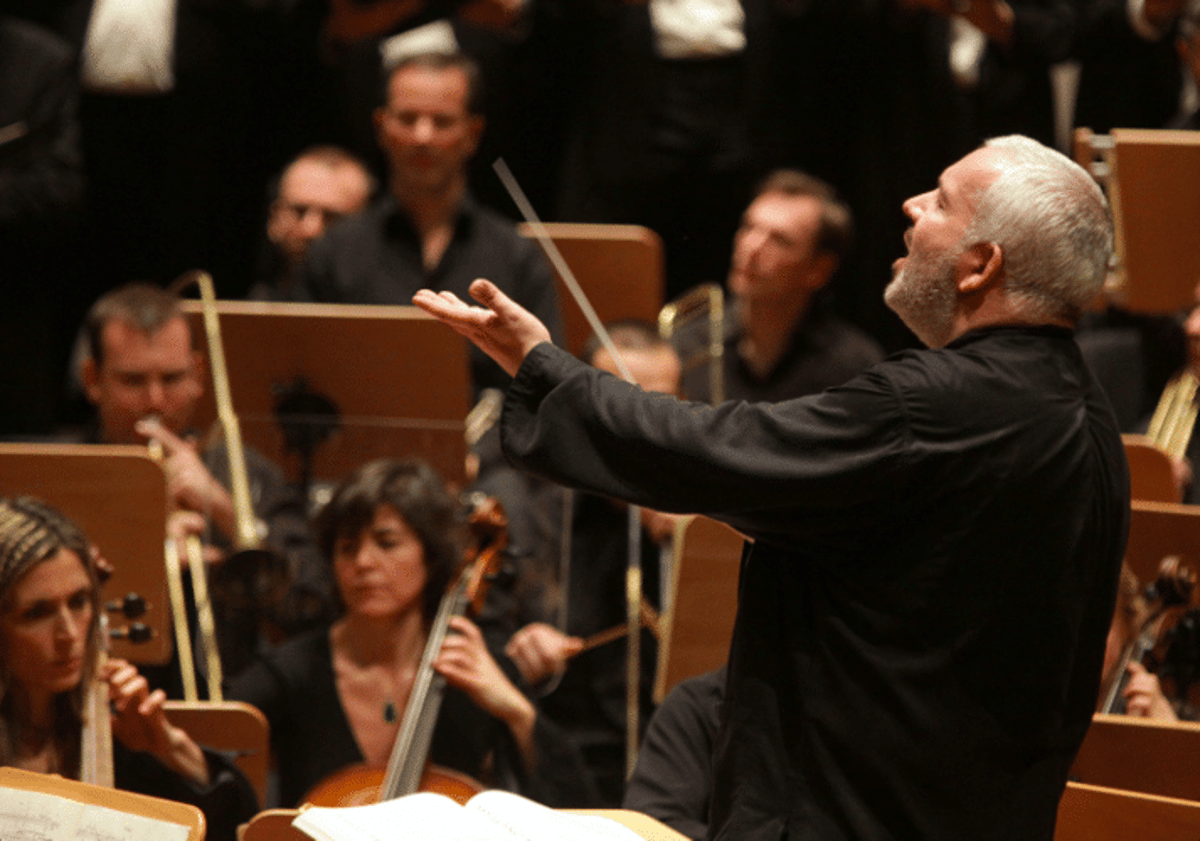
Enter Marc Minkowski, the 63‑year‑old French conductor‑administrator famed for his tenure as general director of the Opéra national de Bordeaux. His career is punctuated by high‑profile disputes with musicians and unions, reflecting a combative approach to artistic control and budgetary discipline. While his interpretive brilliance—particularly in French Baroque opera—has garnered critical acclaim, his reputation for conflict raises questions about how he will navigate Boston Baroque’s collaborative culture. The appointment signals a willingness to embrace bold, perhaps polarizing, artistic direction.
For Boston’s cultural ecosystem, Minkowski’s arrival could reshape programming, potentially increasing French Baroque works and experimental staging that challenge traditional expectations. Musicians may need to adjust to a more assertive leadership style, which could spark creative tension or invigorate performance standards. Audiences, accustomed to Pearlman’s measured aesthetic, might experience a refreshed concert experience, influencing ticket sales and donor engagement. Industry observers will watch closely, as this high‑profile shift may set a precedent for other early‑music ensembles considering leaders with strong, unconventional visions. The move also positions Boston Baroque for potential national tours under Minkowski’s international network.
Boston backs confrontational French conductor
Comments
Want to join the conversation?