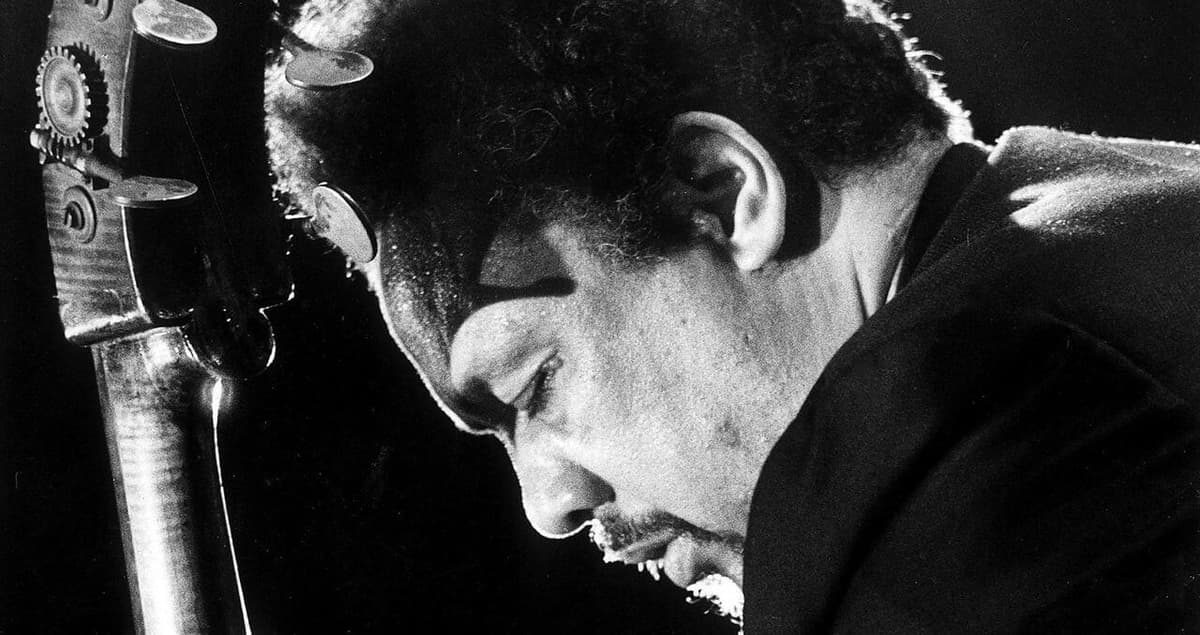
Charles Mingus :: A Modern Jazz Symposium of Music and Poetry
Key Takeaways
- •1958 symposium merges jazz with Langston Hughes‑inspired spoken word
- •“Scenes in the City” narrates Harlem’s jazz experience
- •Melvin Stewart provides actor‑driven vignettes throughout
- •Musical ideas later evolved into Mingus Ah Um tracks
- •Early example of jazz‑poetry fusion influencing concept albums
Pulse Analysis
In the late 1950s, Charles Mingus was already renowned for pushing the boundaries of bebop, but his 1958 venture, A Modern Jazz Symposium of Music and Poetry, took that ambition into the literary realm. Partnering with actor Melvin Stewart for spoken‑word interludes and drawing lyrical inspiration from poet‑activist Langston Hughes, Mingus crafted a multimedia narrative that mirrored the vibrancy of Harlem’s post‑war cultural scene. The project’s structure—alternating between narrative vignettes and expansive instrumental passages—prefigured the concept‑album format that would dominate progressive jazz and rock in the 1960s.
The musical heart of the symposium lies in the extended suite “Scenes in the City.” Here, Mingus’s bass lines weave through shifting tempos and tonal palettes, evoking the bustling streets, nightclubs, and personal stories of a Harlem narrator. Although the spoken segments are brief, they provide a contextual frame that elevates the music from pure improvisation to storytelling. Many motifs from this suite resurfaced on Mingus Ah Um, the 1959 masterpiece that cemented his reputation as a composer‑arranger. Critics now view the symposium as a rehearsal space where Mingus refined the thematic cohesion that would define his later work.
Beyond its historical footnote, the symposium illustrates how jazz musicians have long embraced interdisciplinary collaboration to broaden audience appeal. Modern artists—from Kamasi Washington to hip‑hop producers sampling Mingus’s catalog—continue this tradition, blending spoken word, poetry, and visual media with improvisational sound. For industry stakeholders, the project underscores the commercial potential of cross‑genre projects that tap into cultural nostalgia while offering fresh narrative experiences. As streaming platforms prioritize curated playlists and storytelling formats, revisiting Mingus’s early experiment offers a blueprint for creators seeking to fuse music with literary art in today’s digital marketplace.
Charles Mingus :: A Modern Jazz Symposium of Music and Poetry
Comments
Want to join the conversation?