Key Takeaways
- •Boston Symphony's leadership crisis sparks conductor role debate
- •Kleiber's 1970 Die Fledermaus rehearsal exemplifies mastery
- •Great conductors shape interpretation, not just tempo
- •Subtle gestures convey musical intent to orchestra
- •Legacy informs modern orchestral management strategies
Pulse Analysis
The sudden end of Andris Nelsons’ tenure at the Boston Symphony Orchestra has left musicians, donors, and audiences questioning the core responsibilities of a conductor. While many focus on administrative missteps, the artistic vacuum highlights a deeper issue: the scarcity of conductors who can inspire both precision and passion. This context sets the stage for a retrospective look at one of the most revered maestros, Carlos Kleiber, whose rare recordings continue to serve as a masterclass for conductors worldwide.
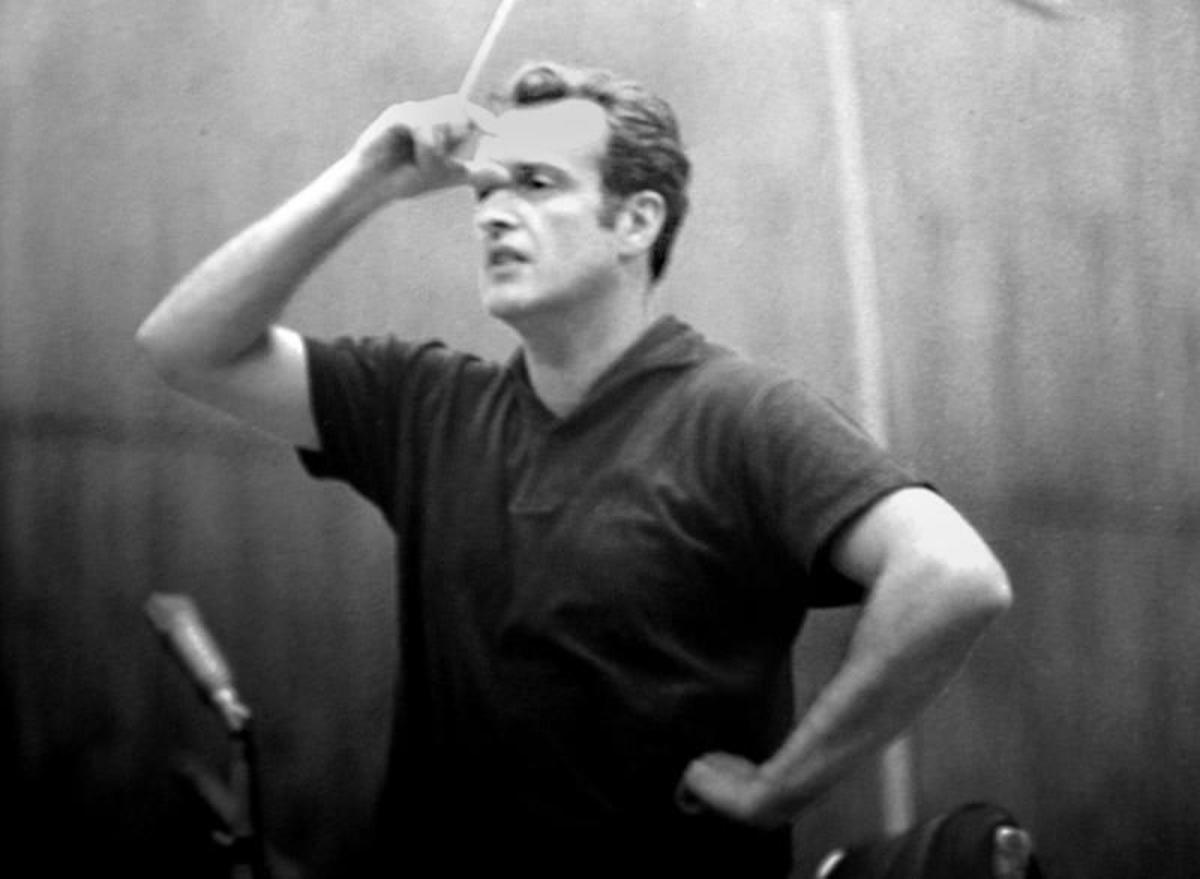
Kleiber’s 1970 rehearsal of Johann Strauss’s Die Fledermaus with the Südfunk Sinfonieorchester reveals the hallmarks of extraordinary conducting. Rather than dictating every note, he employed minimal yet decisive gestures, allowing musicians to internalize phrasing and dynamics organically. His tempo choices were fluid, reflecting an intuitive grasp of the score’s emotional arc, while his eye contact and body language communicated nuanced expectations without verbal instruction. This blend of authority and empathy created a collaborative environment where the orchestra responded with heightened cohesion and expressivity.
For contemporary orchestras, Kleiber’s legacy offers actionable insights. Leadership must balance artistic vision with clear, concise communication, fostering trust that empowers musicians to take ownership of the music. Institutions facing financial pressures can leverage such artistic excellence to attract audiences, donors, and media attention, translating musical quality into economic sustainability. By studying Kleiber’s methods, modern conductors and administrators can rebuild the conductor’s role as both a creative catalyst and a strategic asset in today’s competitive cultural landscape.
Deconstructing Carlos Kleiber for our troubled times
Comments
Want to join the conversation?