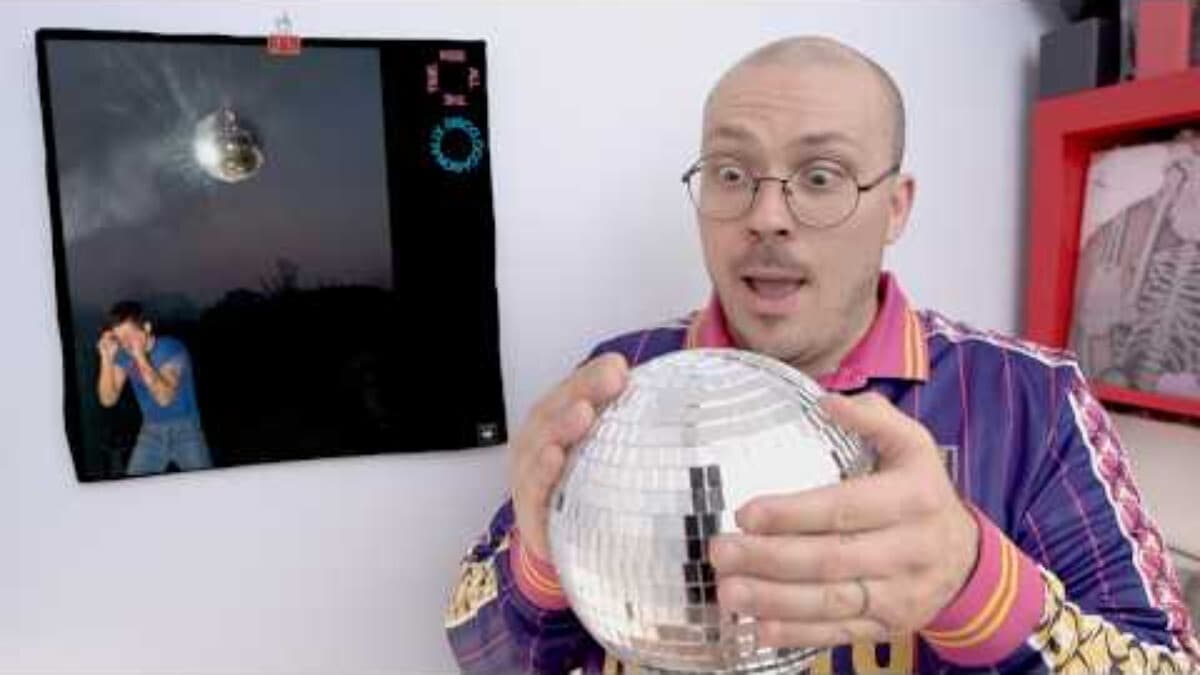
Harry Styles - Kiss All the Time. Disco, Occasionally.
•March 11, 2026
0
Key Takeaways
- •Album attempts dance direction but feels half‑hearted
- •Heavy indie influences result in derivative sound
- •Standout tracks: Ready, Steady, Go! and Pop
- •Production lacks innovation versus current electronic trends
- •Critics doubt Styles' relevance in evolving pop landscape
Summary
Harry Styles released his fourth solo album, Kiss All the Time. Disco, Occasionally., aiming for a dance‑floor vibe. The record leans heavily on indie‑rock references and synth‑driven production but often feels derivative and under‑cooked. While tracks like “Ready, Steady, Go!” and “Pop” provide brief highlights, critics argue the album lacks cohesion, boldness, and the innovative edge seen in today’s electronic scene.
Pulse Analysis
Harry Styles’ latest record marks a deliberate shift from the guitar‑laden pop‑rock of Fine Line and the alternative textures of Harry’s House toward a dance‑centric aesthetic. By branding the project as a disco‑infused experiment, Styles taps into a nostalgic resurgence of 70s‑era grooves that have resurfaced in mainstream playlists. However, the album’s execution feels tentative; rather than fully embracing club‑ready beats, it skirts the surface, offering only occasional synth flourishes that never coalesce into a compelling dance narrative. This half‑measure reflects a broader tension for legacy pop artists attempting to stay relevant amid rapidly evolving genre crossovers.
The record’s sonic palette is saturated with nods to indie stalwarts—LCD Soundsystem, Vampire Weekend, and Talking Heads—yet these references often translate into thin pastiches rather than fresh reinterpretations. Critics note that vocal stylings mimic Ezra Koenig’s boyish tone, while production choices echo the minimalist structures of early‑2000s indie demos. In contrast, contemporary electronic producers are pushing boundaries with AI‑driven sound design, modular synth experimentation, and genre‑blurring collaborations. Styles’ reliance on familiar indie tropes leaves the album sounding out of step with the cutting‑edge innovations that dominate today’s dance floors and streaming charts.
For the industry, the mixed reception underscores the risk of high‑profile artists venturing into new territories without a clear artistic vision. While a successful dance pivot could have positioned Styles as a bridge between pop and club culture, the album’s lackluster impact may prompt a recalibration of his brand strategy. Record labels and managers will likely monitor fan engagement metrics closely, weighing whether to double down on the dance direction in future releases or revert to the more proven melodic formulas that initially cemented Styles’ solo success. Ultimately, the album serves as a case study in how even megastars must balance experimentation with authenticity to maintain relevance in a fast‑moving musical landscape.
Comments
Want to join the conversation?