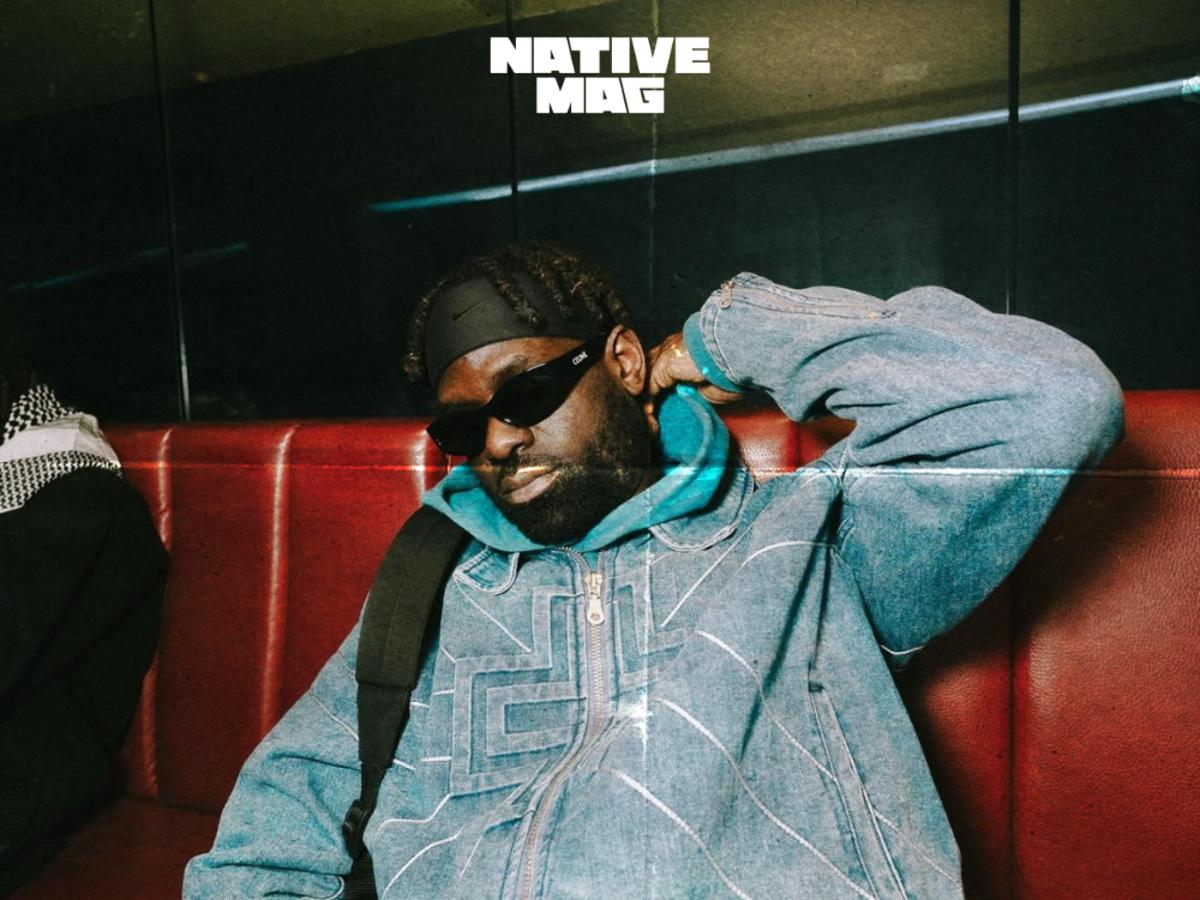
How DJ Sholz Soundtracked Nigerian Modernism at Tate Modern
Key Takeaways
- •DJ Sholz fused digital DJing, live percussion, and saxophone at Tate
- •Event highlighted Nigerian diaspora sounds alongside the Nigerian Modernism exhibition
- •Live audience responded enthusiastically to talking drums and saxophone performance
- •Native Sound System used the party to expand cultural exchange in UK museums
- •Collaboration underscores demand for African music representation in global art venues
Pulse Analysis
Tate Modern’s decision to host a Nigerian Modernism exhibition during Black History Month reflects a broader shift in major cultural institutions toward inclusive programming. By inviting Native Sound System and DJ Sholz, the museum not only showcased visual art but also embedded auditory narratives that echo Nigeria’s post‑colonial dialogue. This move aligns with a growing trend where museums partner with music collectives to deepen visitor engagement, turning static galleries into multisensory experiences that attract diverse audiences beyond traditional art patrons.
The centerpiece of the night was Sholz’s live DJ mix, a hybrid performance that layered electronic beats with live talking drums and saxophone improvisations. Rather than delivering a conventional Afrobeats set, the mix acted as a sonic reinterpretation of Nigeria’s history of absorbing and reshaping global sounds. Featuring British‑Nigerian musicians Ife Ogunjobi and Sola Akingbola, the performance created an immediate, visceral connection—audiences responded to the rhythmic pulse of the drums and the melodic flow of the sax, echoing the communal energy of Lagos’s New Afrika Shrine. This dynamic format demonstrated how music can serve as an extension of curatorial intent, reinforcing the exhibition’s themes of rebellion, synthesis, and cultural exchange.
Beyond the night’s excitement, the collaboration signals a strategic opportunity for African artists and cultural producers. As global platforms like Tate Modern amplify African music, creators gain access to new revenue streams, audience demographics, and critical recognition. The success of the event underscores the market’s appetite for authentic African soundscapes within high‑profile venues, encouraging further partnerships between museums, festivals, and diaspora collectives. In the long term, such initiatives can reshape cultural narratives, ensuring African artistic contributions are woven into the fabric of global contemporary art discourse.
How DJ Sholz Soundtracked Nigerian Modernism at Tate Modern
Comments
Want to join the conversation?