Key Takeaways
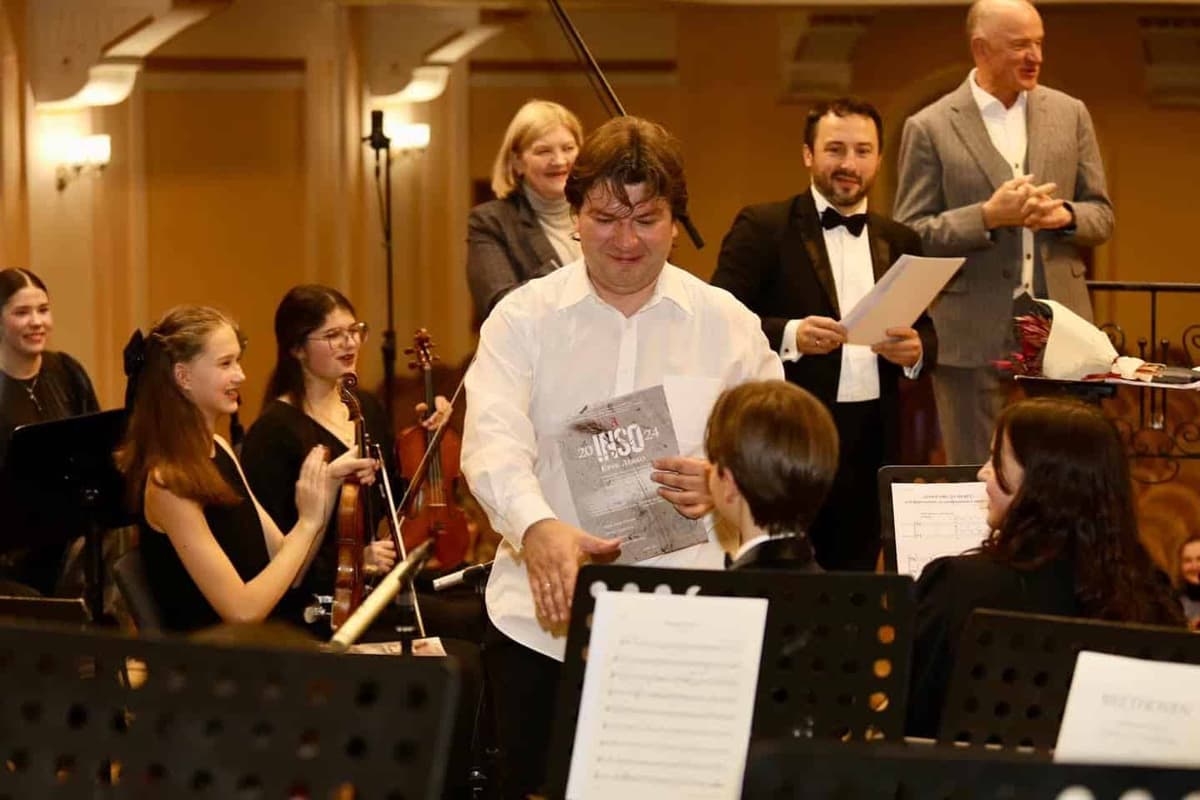
- •Alexander Gordon Zemtsov joins as permanent violist
- •Quartet celebrates 30th anniversary with extensive world tour
- •Recent repertoire included Shostakovich cycle and Beethoven Op.130
- •Premiered Shulamit Ran’s Quartet No.4 during season
- •New violist also holds professorships in Cologne and Lausanne
Pulse Analysis
The Jerusalem Quartet, founded in 1996, has become a staple of the international chamber‑music circuit, known for its rigorous interpretations and adventurous programming. Celebrating its 30th anniversary this season, the group embarked on a globe‑spanning itinerary that included a full Shostakovich cycle, Beethoven’s Op. 130 with the formidable Grosse Fuge, and the world premiere of Shulamit Ran’s Quartet No. 4. These projects underscored the ensemble’s commitment to both canonical works and contemporary voices, reinforcing its reputation among concert promoters and discerning audiences. Amid this artistic momentum, the quartet faced a personnel gap left by the departure of long‑time violist Ori Kam.
The appointment of Alexander Gordon Zemtsov resolves that gap and adds a distinguished academic dimension to the ensemble. Zemtsov holds professorships at the Hochschule für Musik und Tanz Köln and the Conservatoire de Lausanne, where he mentors the next generation of violists while maintaining an active solo and chamber‑music career. Critics regularly cite his tonal richness, nuanced phrasing, and collaborative instincts as hallmarks of his playing. By joining the quartet, he brings a blend of scholarly insight and performance experience that promises fresh interpretive angles, particularly in the quartet’s upcoming explorations of late‑Romantic and 20th‑century repertoire.
Looking ahead, the stabilized lineup positions the Jerusalem Quartet to capitalize on new recording contracts and high‑profile festival invitations. A consistent violist enhances ensemble cohesion, which is critical for securing funding from arts councils and attracting sponsorships in a market where chamber groups compete for limited resources. Moreover, Zemtsov’s academic network may open doors to educational outreach programs and master‑class series, expanding the quartet’s revenue streams beyond ticket sales. In an era where audiences seek both tradition and innovation, the quartet’s refreshed roster and ambitious programming are likely to reinforce its standing as a leading voice in global classical music.
Just in: Jerusalem Quartet changes violist
Comments
Want to join the conversation?