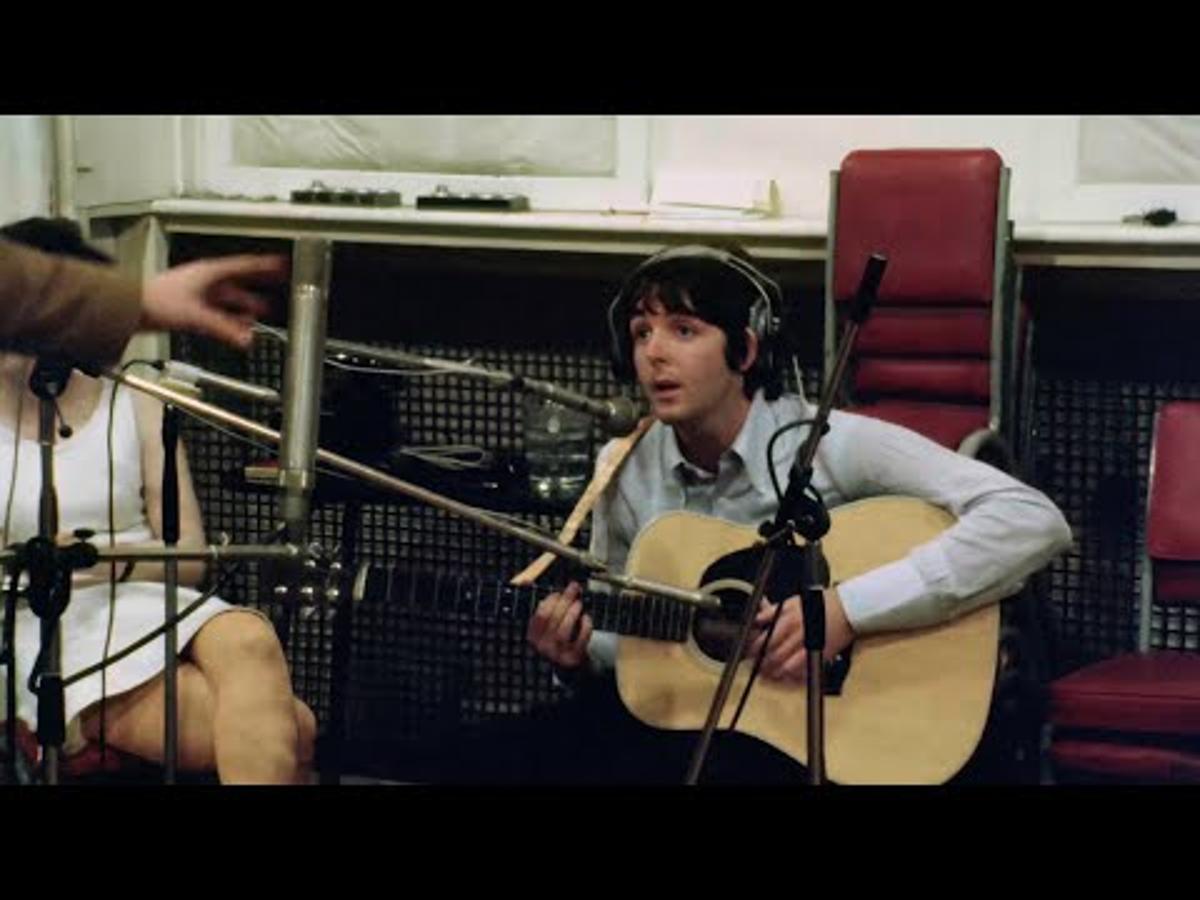
McCartney Rehearses “Blackbird” On the Day It Was Recorded
Key Takeaways
- •McCartney rehearsed “Blackbird” on June 11, 1968, the day it was recorded.
- •The song’s guitar riff draws from Bach’s Bourrée in E minor.
- •“Blackbird” reflects civil‑rights themes and McCartney’s Rishikesh inspiration.
- •Abbey Road footage shows George Martin’s production role and Lennon's brief accompaniment.
- •Francie Schwartz, McCartney’s 1968 girlfriend, appears in the rehearsal video.
Pulse Analysis
The June 11, 1968 rehearsal of “Blackbird” offers a rare glimpse into the Beatles’ creative workflow at the height of their experimental phase. Recorded at EMI’s Abbey Road Studios, the session highlights George Martin’s hands‑on production style, from mic placement to subtle tempo adjustments, underscoring why the producer is often credited as the fourth Beatle. Even John Lennon’s fleeting attempt to match McCartney’s tuning reveals the collaborative spontaneity that defined the White Album’s eclectic soundscape.
Musically, “Blackbird” stands out for its classical borrowing: the opening arpeggio mirrors Bach’s Bourrée in E minor, re‑harmonised into a folk‑rock context. This synthesis of baroque technique and acoustic pop not only showcases McCartney’s compositional versatility but also reflects a broader 1960s trend of integrating high‑culture motifs into mainstream records. Lyrically, the song channels the civil‑rights era, echoing the struggle of the Little Rock Nine, while also drawing inspiration from a blackbird’s call heard during the band’s meditation retreat in Rishikesh. Such layered meaning contributed to the track’s enduring resonance across generations.
From a business perspective, “Blackbird” exemplifies how timeless songwriting fuels long‑term revenue streams. The track remains a staple on streaming platforms, generating consistent royalties and reinforcing the Beatles’ catalog as a lucrative asset for rights holders. Moreover, archival footage like this rehearsal enhances brand equity, offering content for documentaries, licensing, and fan‑engagement campaigns. Modern artists study this blend of classical reference, social commentary, and production finesse to craft songs that can both chart today and endure as cultural touchstones. The continued relevance of “Blackbird” underscores the commercial power of authentic, narrative‑driven music.
McCartney rehearses “Blackbird” on the day it was recorded
Comments
Want to join the conversation?