
Key Takeaways
- •Simone condemned subpar club equipment, demanding professional standards
- •She warned jazz would become absorbed by corporate institutions
- •Interview showcased her strategic charisma to steer media narratives
- •Her reflections prefigure modern debates on artistic autonomy versus commercial pressure
Pulse Analysis
The 1968 Downbeat conversation with Nina Simone arrived at a cultural crossroads. Amid the civil‑rights movement and a rapidly evolving popular music scene, Simone leveraged the interview to articulate a broader critique of an industry that often prioritized profit over artistic fidelity. Her candid remarks about untuned pianos and faulty microphones highlighted a pervasive neglect of technical quality in live venues, underscoring how substandard infrastructure can erode both performer credibility and audience experience.
Beyond the technical grievances, Simone’s discourse anticipated the institutional capture of jazz. She warned that the genre’s improvisational spirit risked being subsumed by corporate structures seeking to commodify its cultural cachet. By framing her commentary within a charismatic, rehearsed performance, she demonstrated how artists can manipulate media narratives to reinforce their brand while exposing systemic flaws. This blend of artistic rigor and media savvy illustrates a prototype for modern musicians who must balance creative expression with strategic self‑promotion.
Today’s music executives can draw lessons from Simone’s 1968 stance. The tension between artistic autonomy and commercial imperatives remains a central challenge, especially as streaming platforms and branding deals dominate revenue streams. Simone’s insistence on quality, control, and authenticity resonates with contemporary debates over contract terms, royalty structures, and the role of artist‑led labels. Recognizing her early advocacy for higher standards and independent voice equips industry leaders to foster environments where talent thrives without compromising integrity.
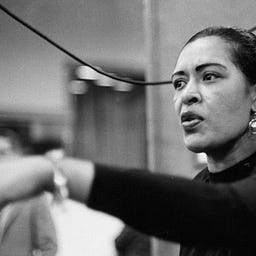
Nina Simone in Las Vegas, 1968
Comments
Want to join the conversation?