Key Takeaways
- •Bländverk blends piano, harmonium, and field recordings for intimate ambience
- •Title plays on Swedish 'bland work' vs English 'illusion' translation
- •Track 'Stilla nu' opens with lullaby-like piano, setting reflective tone
- •Title track spans 10:36, evolving from field sounds to brass timbres
- •Album recorded by two high-school friends across Stockholm and Geneva
Pulse Analysis
Old Amica’s Bländverk is a masterclass in restrained ambient composition, marrying the acoustic warmth of piano and harmonium with subtle tape loops and field recordings. The opening track, “Stilla nu,” functions like a music‑box lullaby, establishing a reflective mood that permeates the album. As the title piece unfolds over ten minutes, listeners hear a gradual shift from sparse environmental sounds to a richer brass timbre, illustrating the duo’s skill in sculpting evolving soundscapes without relying on dense production.
The album’s title plays on a linguistic paradox: the Swedish "bland verk" suggests "bland work," while the English translation "illusion" hints at something more ethereal. This wordplay mirrors the music’s dual nature—seemingly simple yet layered with hidden textures. Recorded by two high‑school friends shuttling between Stockholm and Geneva, Bländverk reflects the collaborative spirit of Sweden’s vibrant ambient and post‑rock community, where cross‑border creativity thrives amid modest studio setups.
In a streaming era dominated by high‑energy releases, Bländverk offers a contemplative alternative that appeals to listeners seeking depth and calm. Its understated production aligns with the growing demand for ambient playlists that serve as background for work or meditation. By delivering a cohesive narrative through minimal instrumentation, Old Amica not only strengthens its niche following but also contributes to the broader resurgence of minimalist ambient music, positioning the duo as noteworthy contributors to the genre’s evolution.
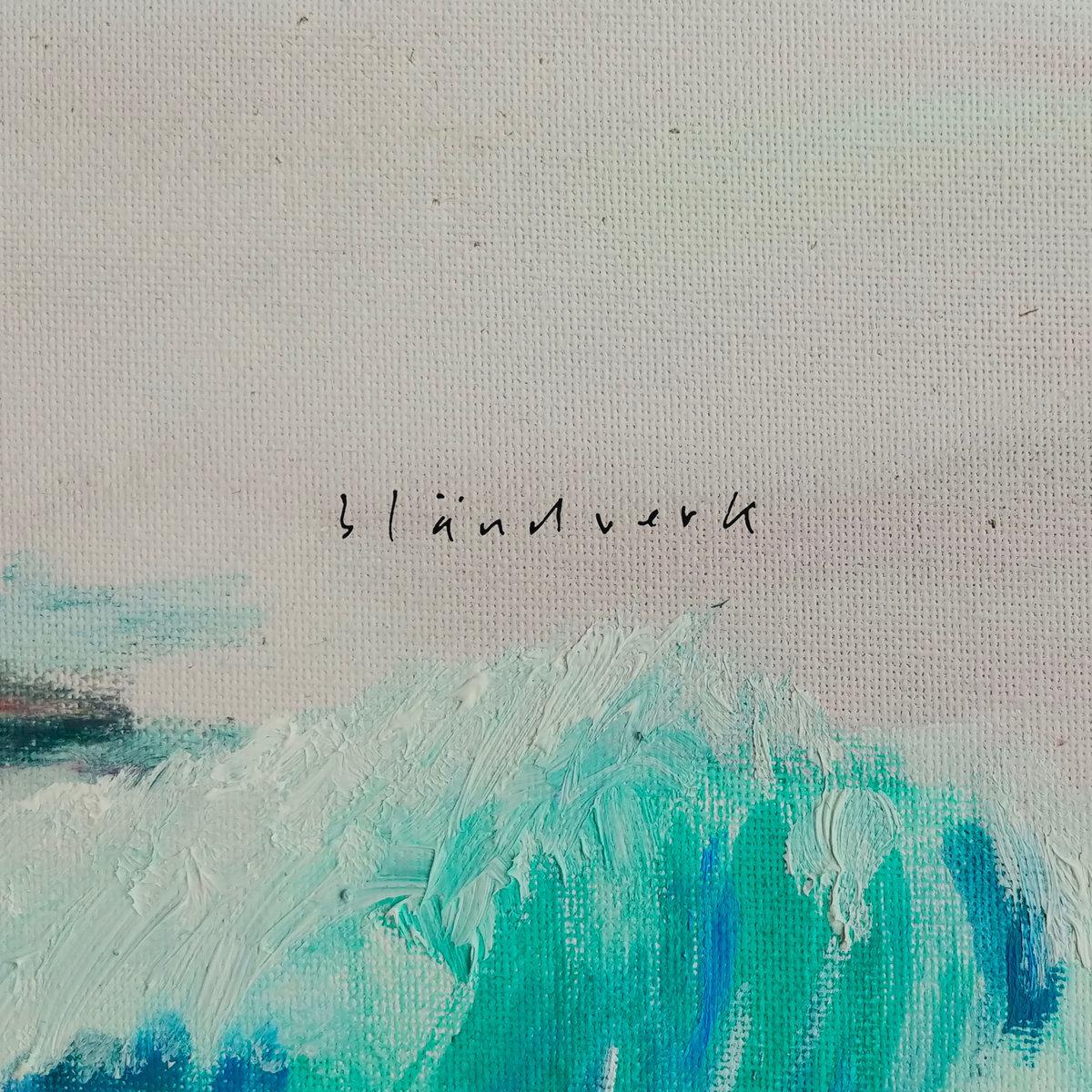
Old Amica ~ Bländverk
Comments
Want to join the conversation?