Key Takeaways
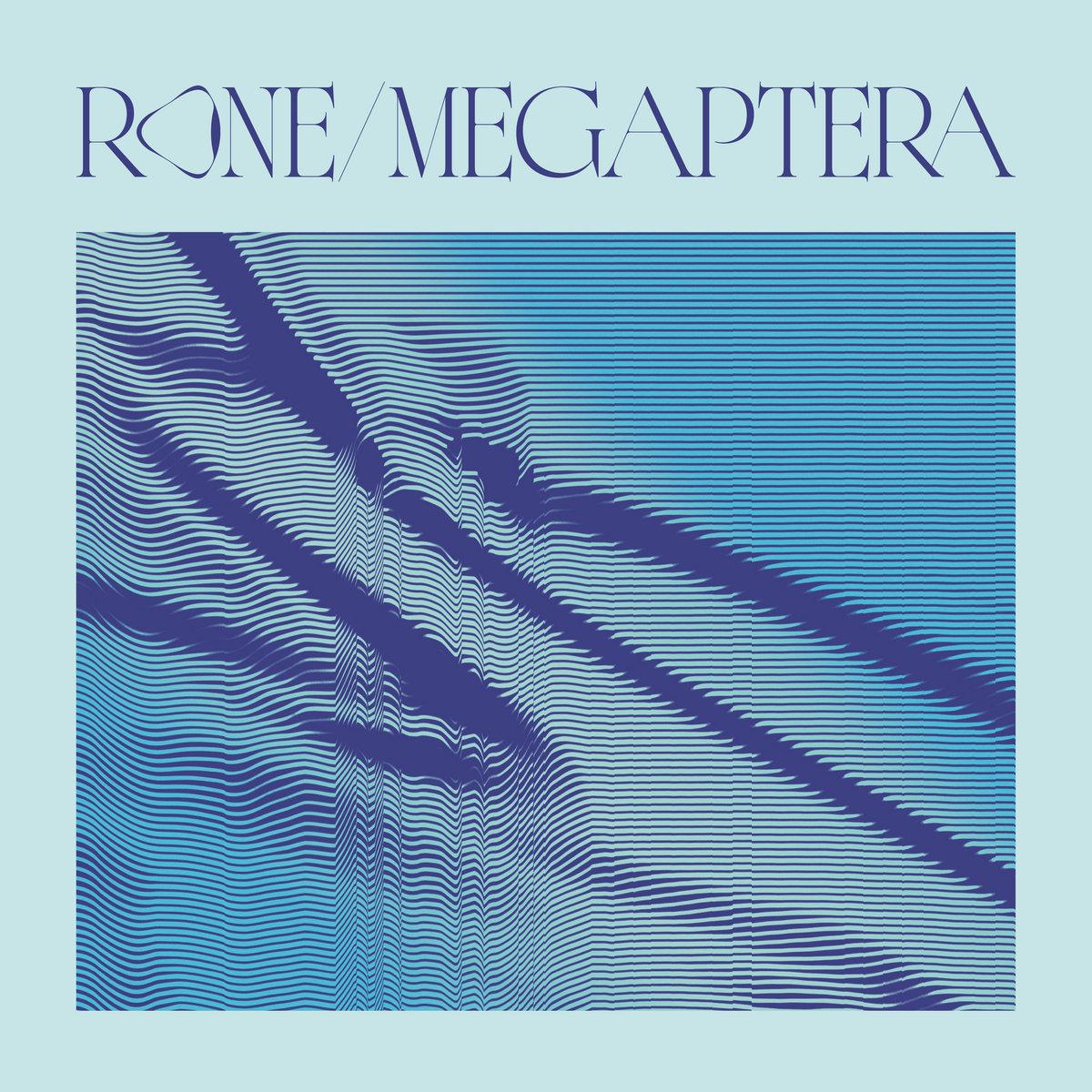
- •Rone composed *Megaptera* while sailing, integrating ocean field recordings.
- •Collaboration involved scientists, bioacousticians, and environmentalists.
- •Album serves as score for *The Musician and the Whale* film.
- •Tracks blend EDM synths with whale vocalizations and human chants.
- •Highlights potential for music to bridge human‑whale communication.
Pulse Analysis
Rone’s *Megaptera* arrives at a moment when artists are increasingly partnering with scientists to amplify ecological narratives. By recording directly from a research vessel and consulting marine biologists, the French producer transformed raw whale songs and sea ambience into a structured electronic score. This method not only enriches the film’s storytelling but also provides a rare auditory window into the acoustic landscape of the ocean, positioning the album as both a soundtrack and a field study.
The album’s sonic palette fuses minimalist synth textures with the rhythmic pulse of EDM, layered over authentic whale vocalizations captured off the coast of New England. Listeners encounter moments where synthetic beats echo the cadence of a breaching humpback, blurring the line between human composition and natural sound. Such a blend challenges conventional genre boundaries and invites audiences to contemplate the possibility of musical dialogue across species, a theme that resonates with growing public interest in marine conservation.
Beyond artistic merit, *Megaptera* underscores a broader industry trend: leveraging music as a conduit for environmental education. By embedding scientific data within an accessible medium, the project can inspire curiosity about ocean health and support advocacy initiatives. As streaming platforms prioritize curated experiences, albums like *Megaptera* may open new revenue streams for eco‑focused content, while reinforcing the cultural relevance of sustainability in the entertainment sector.
Rone ~ Megaptera
Comments
Want to join the conversation?