Key Takeaways
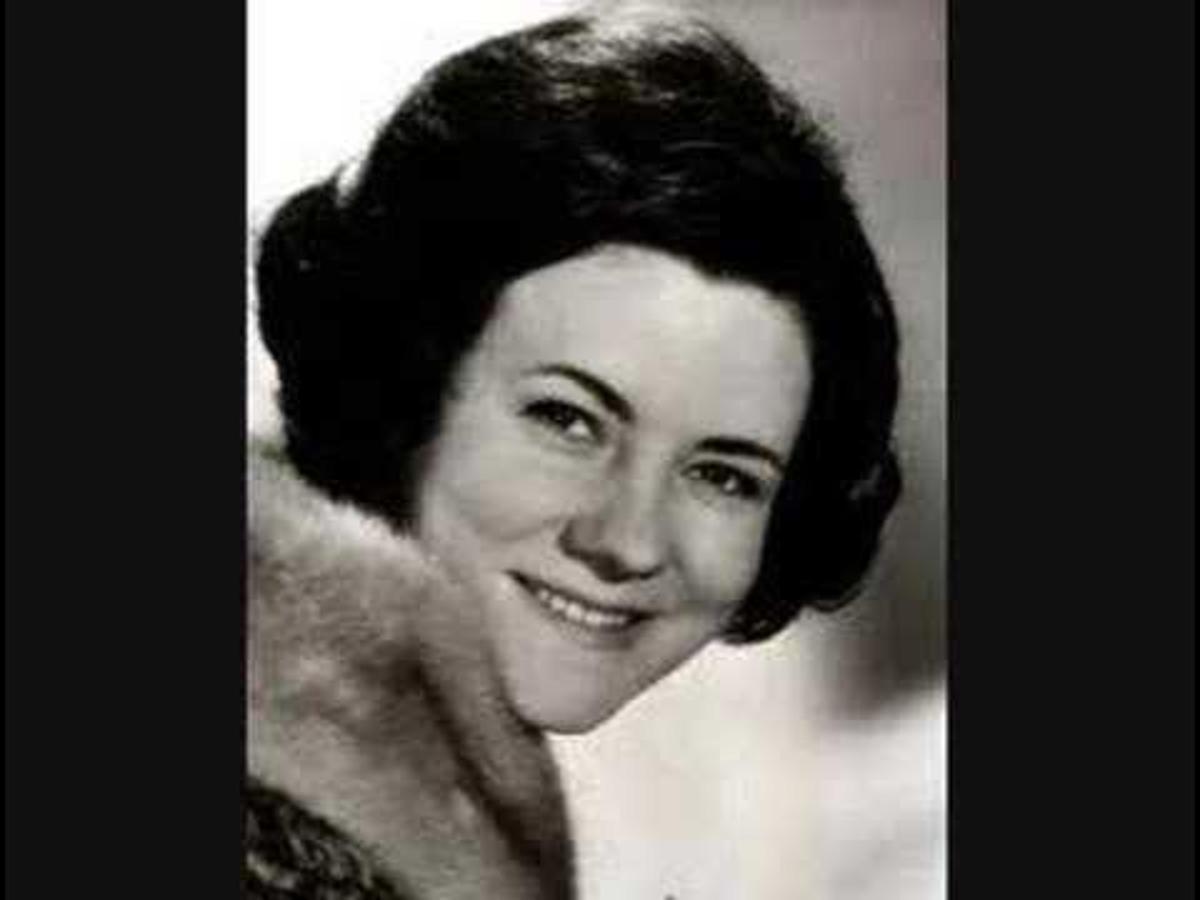
- •Mimi Coertse died at 93, South Africa’s first Kammersängerin
- •Faced Equity boycott for apartheid-era South African citizenship
- •Vienna debut 1956 as Queen of the Night, ten-year tenure
- •Performed over 30 major roles at Vienna State Opera
- •Returned home 1973, shaping South African opera scene
Pulse Analysis
The title Kammersängerin, bestowed by the Vienna State Opera, is one of the highest honors for a classical vocalist, traditionally reserved for German‑speaking artists. Mimi Coertse’s receipt of this accolade in the 1950s marked a historic breakthrough for a South African, signaling that artistic excellence could transcend the geopolitical divides of the Cold War and apartheid era. Her ascent from London’s stages to Vienna’s elite roster demonstrated both personal resilience and the universal appeal of operatic talent.
Coertse’s Vienna debut as the demanding Queen of the Night in March 1956 showcased her extraordinary vocal range and dramatic intensity, earning her a decade‑long contract with the company. During that period she tackled three dozen leading roles, from Flotow’s *Martha* to Strauss’s *Daphne*, cementing her reputation as a versatile soprano. Yet her career was not without controversy; the British actors union Equity barred her performances because of her South African passport, reflecting the broader cultural boycotts aimed at pressuring the apartheid regime. This episode underscores how politics can intersect with the arts, often placing artists in the crosshairs of international policy.
After returning to South Africa in 1973, Coertse leveraged her international stature to nurture local talent, establishing vocal academies and championing opera education. Her influence helped elevate South Africa’s classical music infrastructure, inspiring a new generation of singers to pursue global careers. Today, her legacy endures through scholarships, recordings, and the continued reverence of a pioneering artist who proved that cultural achievement can flourish even amid political adversity.
South Africa’s first Kammersängerin, 93
Comments
Want to join the conversation?