Key Takeaways
- •Oakland Symphony presents Beethoven’s “Eroica” and Dett’s “Ordering of Moses”.
- •Dett’s 1932 work premiered nationally in 1937 via Cincinnati May Festival.
- •Myth of NBC cutting broadcast debunked by Rochester newspaper listings.
- •Program marks start of “Resist. Persist.” season‑long defiance series.
- •Conductor Kedrick Armstrong calls Dett’s piece a masterwork comparable to Rachmaninoff.
Pulse Analysis
The Oakland Symphony’s Friday night concert at The Paramount launches its “Resist. Persist.” series, pairing Beethoven’s third symphony, the “Eroica,” with Nathaniel Dett’s 1932 choral‑orchestral work “The Ordering of Moses.” Beethoven’s symphony, written amid the political upheaval of the French Revolution, has long symbolized artistic defiance, making it a fitting opening statement for a season devoted to music of resistance. Conductor Kedrick Armstrong frames the program as a dialogue between historic rebellion and contemporary calls for social justice, positioning the orchestra as a cultural catalyst.
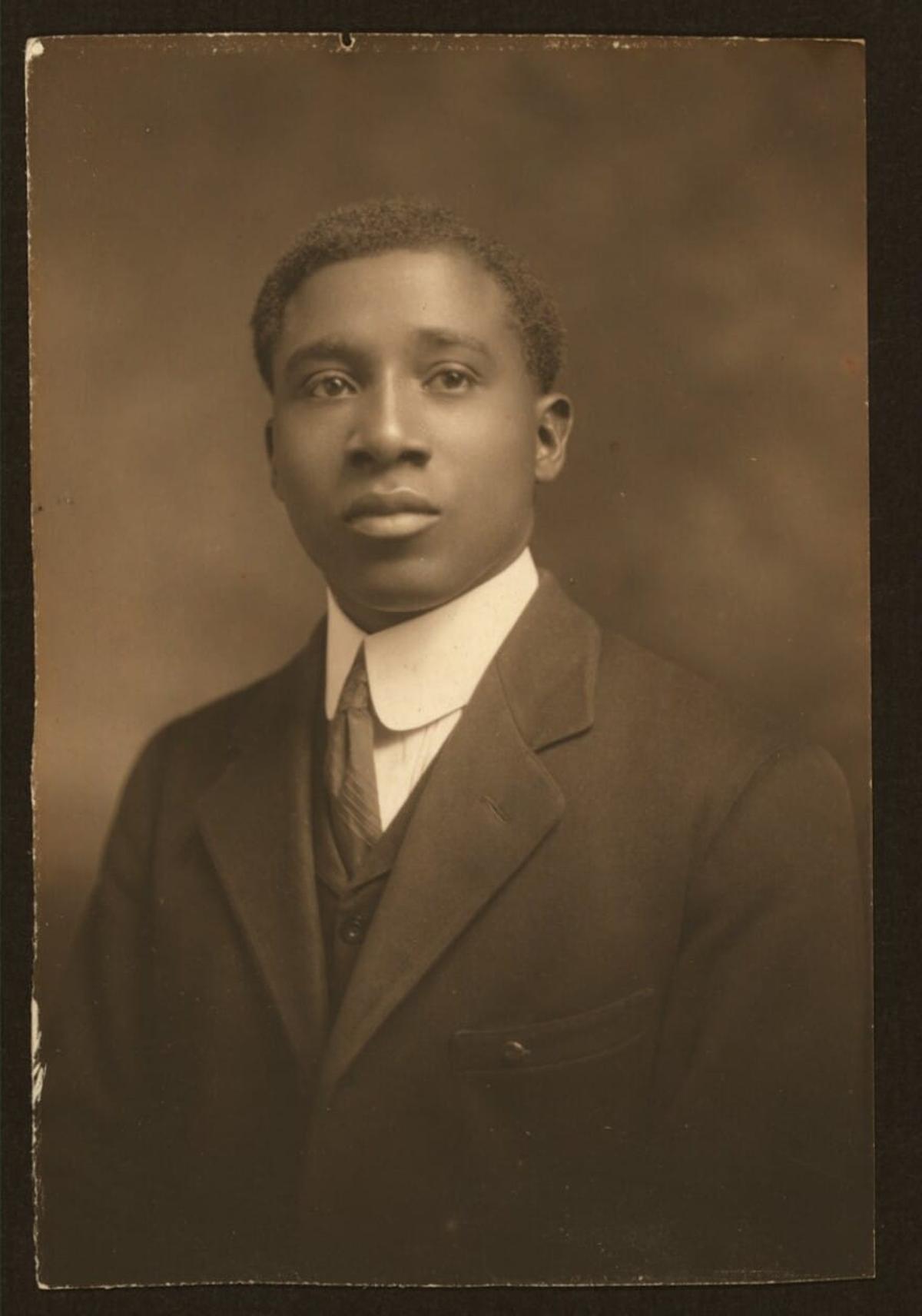
Dett, a Black composer educated at Oberlin, Columbia and Harvard, infused African‑American spirituals into a classical framework, answering Dvořák’s invitation to discover an American musical soul. “The Ordering of Moses” debuted at the 1937 Cincinnati May Festival, becoming the first composition by a composer of color broadcast coast‑to‑coast. A persistent legend claimed NBC cut the live transmission after complaints, but recent research into Rochester newspaper listings shows the program simply ended on schedule, debunking the myth and restoring the work’s broadcast legacy.
Armstrong’s description of Dett’s piece as “another masterwork” comparable to Rachmaninoff or Dvořák underscores a growing willingness among major U.S. orchestras to spotlight underrepresented composers. By presenting Dett alongside Beethoven, the Oakland Symphony not only educates audiences about a forgotten chapter of American music history but also signals a broader industry shift toward inclusive programming. Ticket pricing for all and the inclusion of a full chorus suggest the organization aims to make this cultural reclamation accessible, reinforcing the commercial viability of diversity‑driven repertoire.
The Ordering of Moses gets a hearing
Comments
Want to join the conversation?