Key Takeaways
- •Cooper and Cunningham trade motorik for intimate acoustic dialogue
- •Album blends improvisational guitar with subdued vocal harmonies
- •Release highlights Aquarium Drunkard’s patron‑supported model
- •Quiet aesthetic may attract new listeners on curated playlists
Pulse Analysis
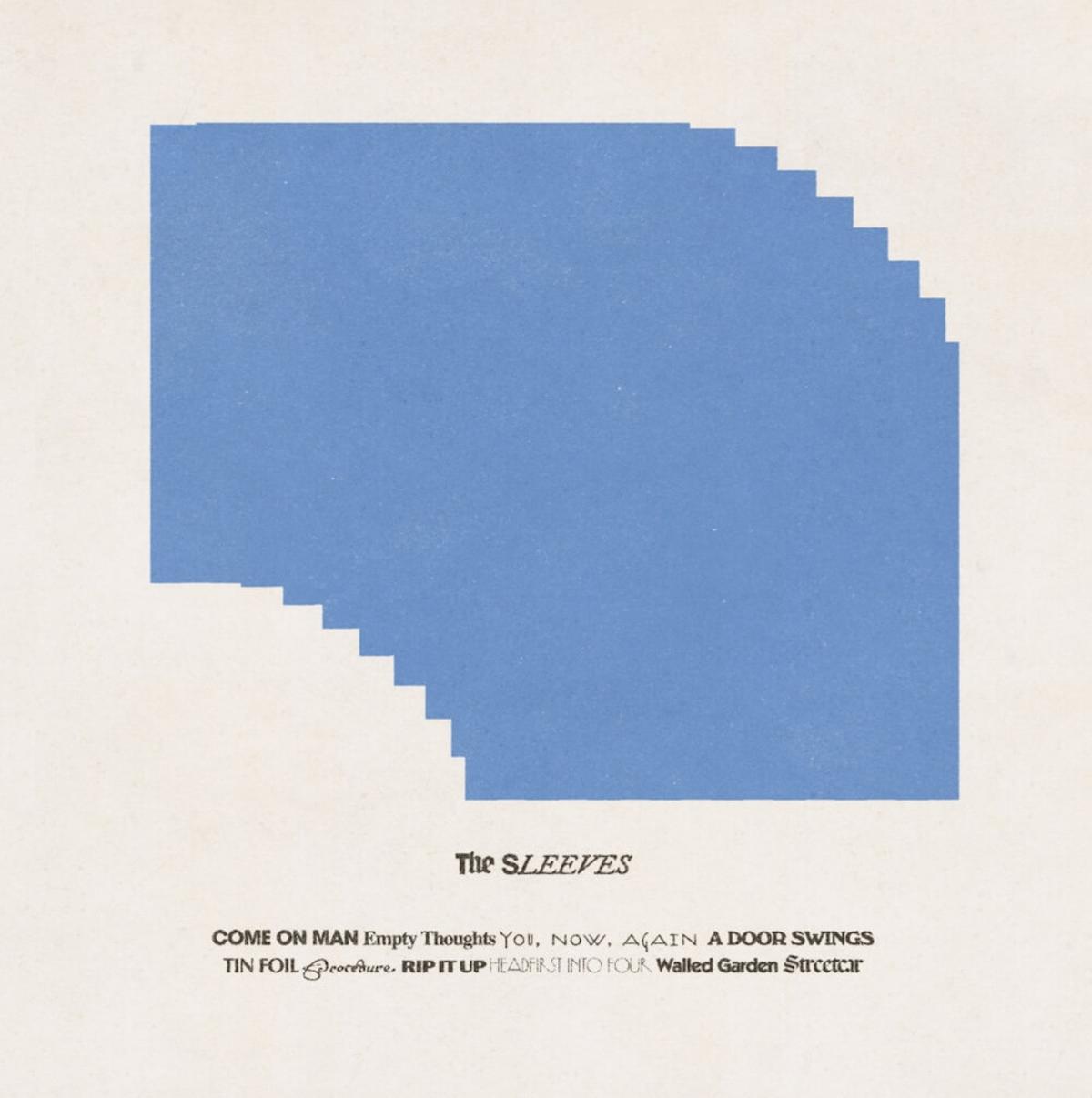
The Sleeves’ self‑titled album marks a deliberate retreat from the high‑energy, motorik rhythms that defined Jack Cooper’s earlier Modern Nature work. By inviting Tara Cunningham, known for her fluid improvisational style, the duo crafts a soundscape built on acoustic guitars and whisper‑like vocals. This approach resonates with a growing segment of indie audiences seeking authenticity and intimacy over bombastic production, positioning the record as a touchstone for the "quiet rock" subgenre that’s gaining traction on streaming services.
Beyond the music itself, the release illustrates the evolving economics of niche journalism. Aquarium Drunkard, a site devoted to deep‑cut music coverage, relies on a membership model that sustains its editorial independence. By spotlighting The Sleeves, the platform not only amplifies a low‑profile act but also demonstrates how patron‑driven outlets can shape discovery pathways that traditional media often overlook. This symbiosis benefits artists, who gain exposure, and listeners, who receive curated, high‑quality recommendations.
From a market perspective, the album’s understated production aligns with current playlist algorithms that favor tracks with lower decibel peaks and longer listener retention. As streaming platforms refine their recommendation engines, releases like The Sleeves may enjoy heightened placement in "Acoustic Focus" or "Indie Folk" collections, driving incremental streams and revenue. For industry observers, the record serves as a case study in how artistic restraint, strategic collaborations, and patron‑funded media can converge to create sustainable growth for emerging musicians.
The Sleeves :: Self-Titled
Comments
Want to join the conversation?