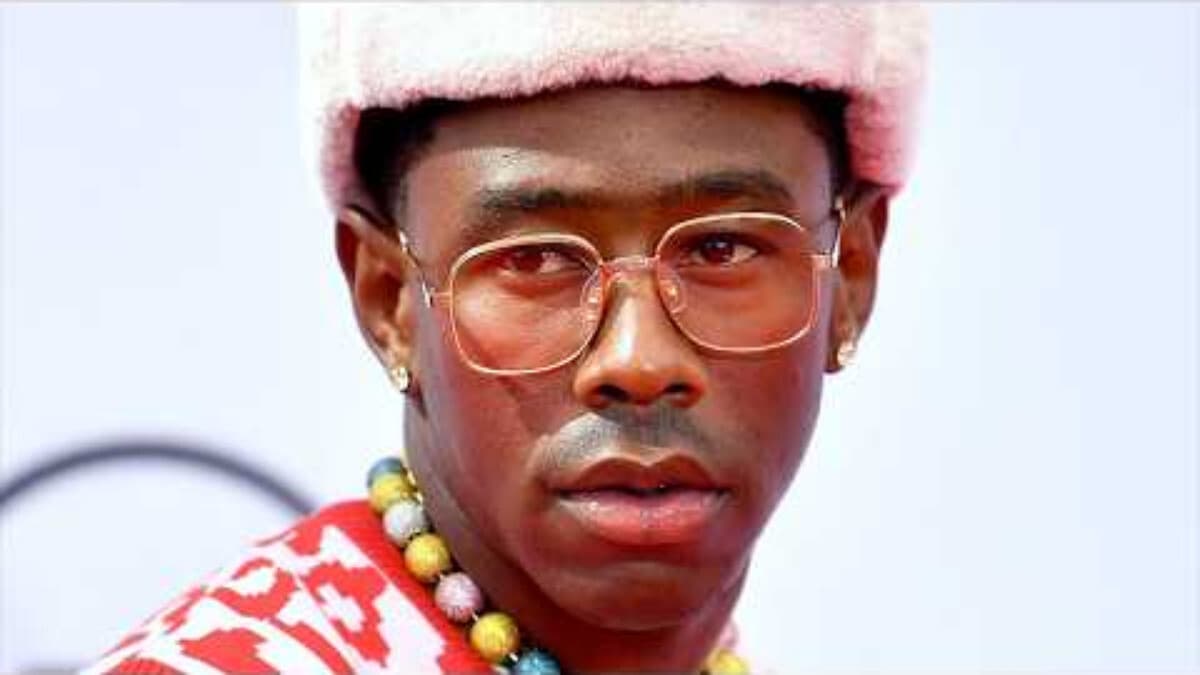
Key Takeaways
- •2026 underground rap prizes aloof, anti‑emotional aesthetics.
- •Tyler's early expressive style clashes with today's trend of performative detachment.
- •Fantano warns emerging artists may self‑censor to fit prevailing norms.
- •Shift could erode the underground's role as experimental safe‑haven.
- •Legacy acts like Tyler illustrate tension between authenticity and market acceptance.
Pulse Analysis
The underground rap scene in 2026 has morphed into a cultural echo chamber where aloofness and nihilistic swagger are rewarded. Platforms like TikTok amplify bite‑size moments, favoring artists who project a detached, "effortless" aura rather than raw vulnerability. This climate discourages the kind of unapologetic emotional honesty that defined early Tyler, The Creator releases, pushing creators toward a homogenized aesthetic that aligns with fleeting internet trends rather than lasting artistic statements.
Tyler's ascent in the early 2010s hinged on shock value, vivid storytelling, and a willingness to confront uncomfortable topics. His "Yonkers" video combined gritty visuals with confrontational lyrics, resonating with a generation craving authenticity. Today, however, the same boldness could be labeled "cringe" or "performative" by an audience conditioned to filter expression through a lens of irony and detachment. The shift underscores a broader industry pattern: commercial viability increasingly depends on fitting a narrow persona template, sidelining artists whose work is overtly emotive or experimental.
For emerging musicians, this trend presents a strategic dilemma. Aligning with the prevailing detached aesthetic may secure short‑term virality, but it risks eroding the underground's historic function as an incubator for innovation. If expressive voices are systematically muted, the pipeline feeding mainstream music with fresh ideas could dry up, leading to a more homogenized soundscape. Industry stakeholders—labels, managers, and streaming curators—must recognize the long‑term value of preserving spaces where authentic, boundary‑pushing art can thrive, lest the next generation of Tyler, The Creators be silenced before they ever find an audience.
Tyler, The Creator Wouldn't Blow Up in 2026
Comments
Want to join the conversation?