Key Takeaways
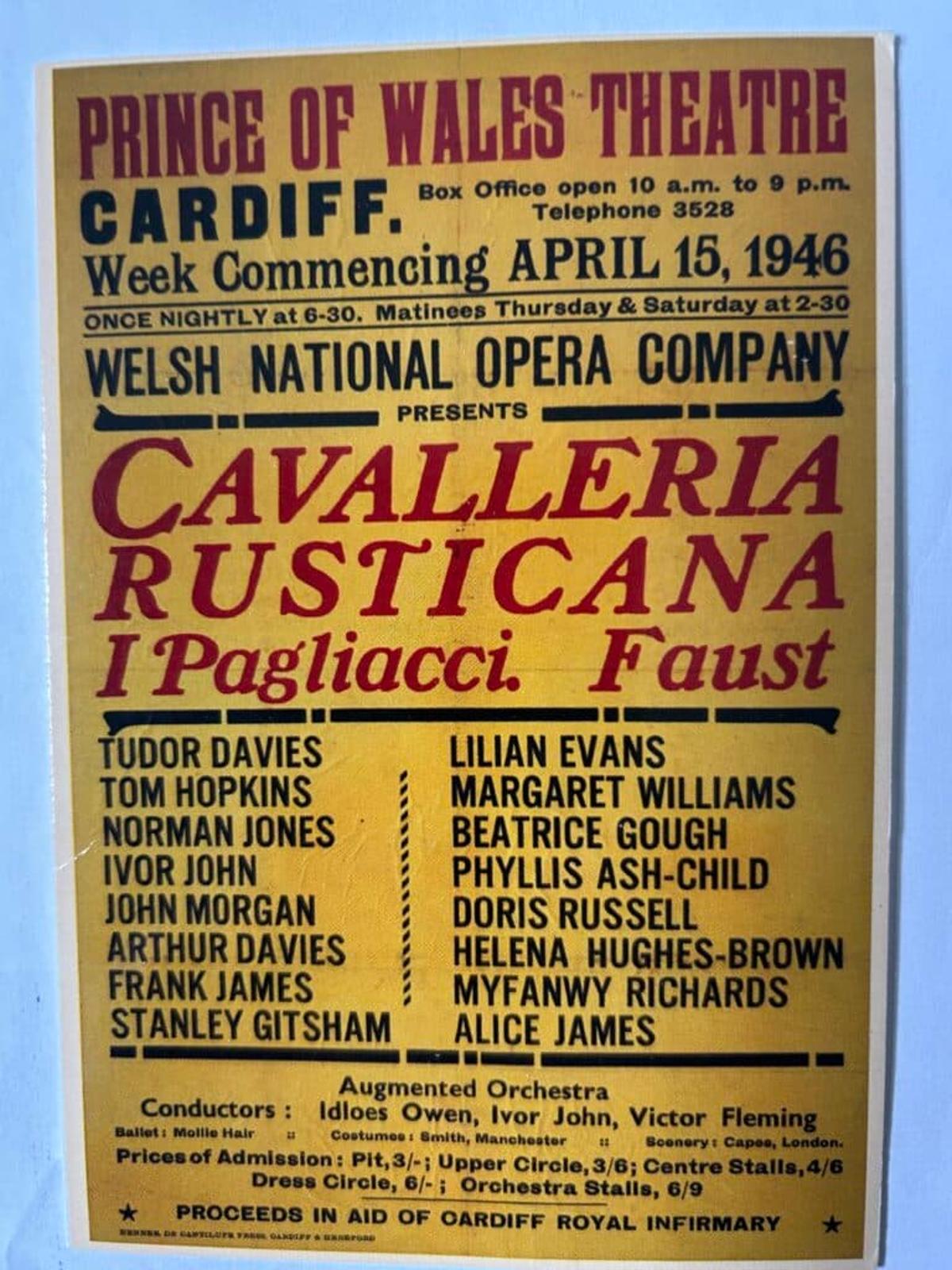
- •WNO founded 1946 with entirely Welsh cast, conductors, venue
- •Chorus reduced from 120 singers to just 20
- •Orchestra seats remain empty, signaling severe budget constraints
- •Current music director is Czech, reflecting broader international talent
- •Calls grow for WNO to revive Welsh-focused programming
Pulse Analysis
The Welsh National Opera (WNO) emerged in the immediate post‑World War II era as a cultural beacon for Wales, debuting with three productions—*Cavalleria Rusticana*, *I Pagliacci* and *Faust*—performed by an all‑Welsh chorus of 120 voices and conducted by native maestros. Its establishment at the Prince of Wales Theatre symbolised a deliberate effort to cement a distinct Welsh operatic tradition, offering a platform for local talent and reinforcing national identity during a period of reconstruction.
Fast forward to 2026, and WNO confronts a starkly different reality. Persistent funding gaps have forced the chorus to shrink dramatically, and large sections of the orchestra remain vacant, underscoring a broader fiscal strain that mirrors challenges across European opera houses. The appointment of a Czech music director and the recruitment of international creatives reflect both a pragmatic response to talent scarcity and a departure from the company’s original Welsh‑centric ethos. This evolution raises concerns about audience relevance, donor confidence, and the sustainability of a regional opera model in an increasingly competitive entertainment landscape.
Industry observers argue that WNO’s survival hinges on recalibrating its artistic mission while embracing innovative revenue streams. Potential pathways include deepening community outreach, leveraging digital streaming to attract global audiences, and forging public‑private partnerships that honor the company’s Welsh roots. Restoring a robust, locally sourced chorus could re‑energise cultural patrons and reaffirm the organization’s unique contribution to the UK’s operatic tapestry, ensuring that the spirit of Welsh opera endures for future generations.
When did opera stop being Welsh?
Comments
Want to join the conversation?