10,000 Chicago Concert Recordings Are Being Uploaded to the Internet Archive: Nirvana, Phish, Sonic Youth, They Might Be Giants & More

Why It Matters
The project safeguards an irreplaceable cultural record and democratizes access to historic live music, supporting music scholarship and fan discovery.
Key Takeaways
- •Over 2,500 Chicago concert recordings now digitized on Internet Archive
- •Archive holds more than one terabyte of audio from 1980s‑2010s
- •Features rare shows by Nirvana, Phish, Sonic Youth, and others
- •Volunteers continue uploading, aiming to reach 10,000+ recordings
- •Provides free, searchable resource for fans, historians, and educators
Pulse Analysis
The surge of digital preservation projects has turned once‑ephemeral bootleg recordings into permanent, searchable assets. By converting analog tapes to high‑resolution audio files, archivists protect the sonic nuances that define an era’s live performance culture. The Internet Archive, with its nonprofit infrastructure, offers a neutral venue where anyone can stream or download recordings without legal barriers, reinforcing the broader movement toward open cultural heritage. This model contrasts with commercial streaming services that rarely host historic concert material, highlighting the unique value of community‑driven archives.
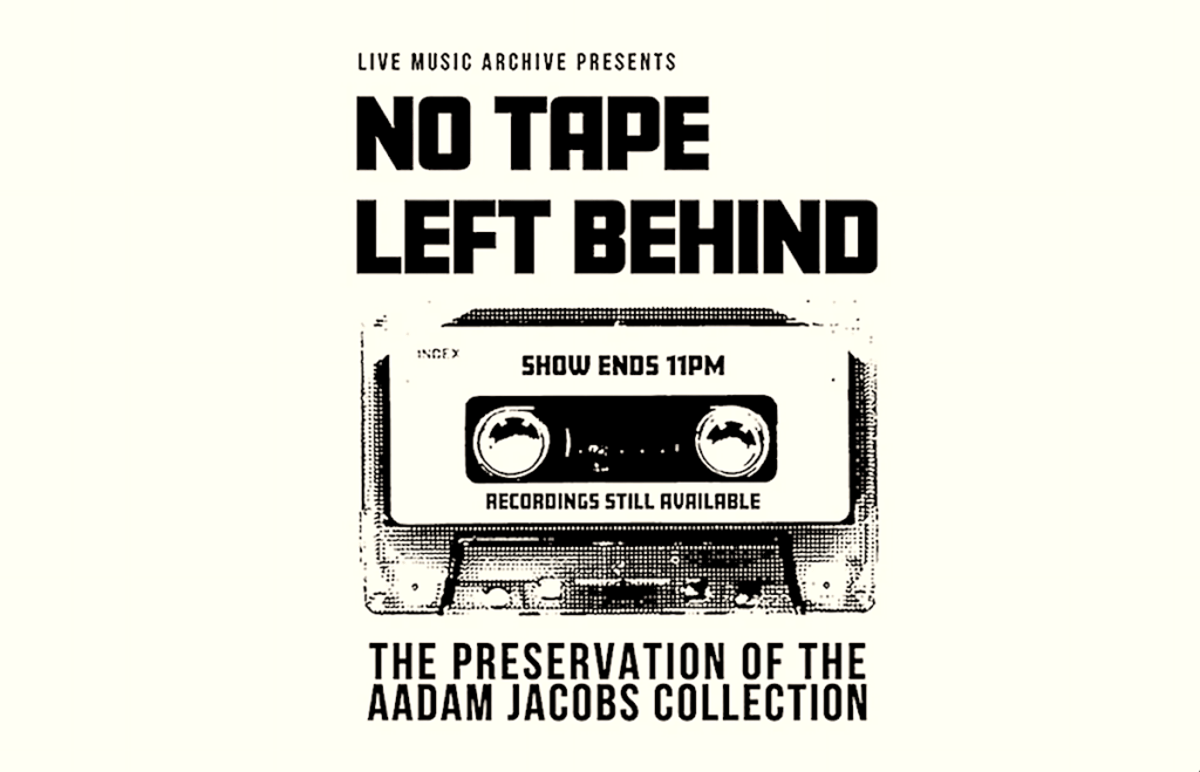
Aadam Jacobs’ Chicago collection exemplifies grassroots curation at scale. Starting in the 1980s, Jacobs recorded nightly shows across venues from the Cabaret Metro to the Empty Bottle, amassing a personal library that now exceeds ten thousand tapes. The newly uploaded 2,500 recordings capture pivotal moments—Nirvana’s pre‑major‑label set, early Phish improvisations, and Sonic Youth’s experimental noise—offering scholars a primary source for studying genre evolution and local scene dynamics. For fans, the archive unlocks rare performances that were previously limited to tape traders or lost entirely.
The public availability of Jacobs’ archive signals a shift in how music history is consumed and monetized. Researchers can conduct data‑driven analyses of setlists, audience interaction, and sound engineering trends, while educators can integrate authentic audio into curricula on American popular culture. Meanwhile, the open‑access model challenges traditional rights‑holding frameworks, prompting industry stakeholders to reconsider licensing strategies for legacy recordings. As volunteers continue digitizing, the archive is poised to surpass the 10,000‑record milestone, cementing its role as a digital time capsule for Chicago’s vibrant rock legacy.
10,000 Chicago Concert Recordings Are Being Uploaded to the Internet Archive: Nirvana, Phish, Sonic Youth, They Might Be Giants & More
Comments
Want to join the conversation?
Loading comments...