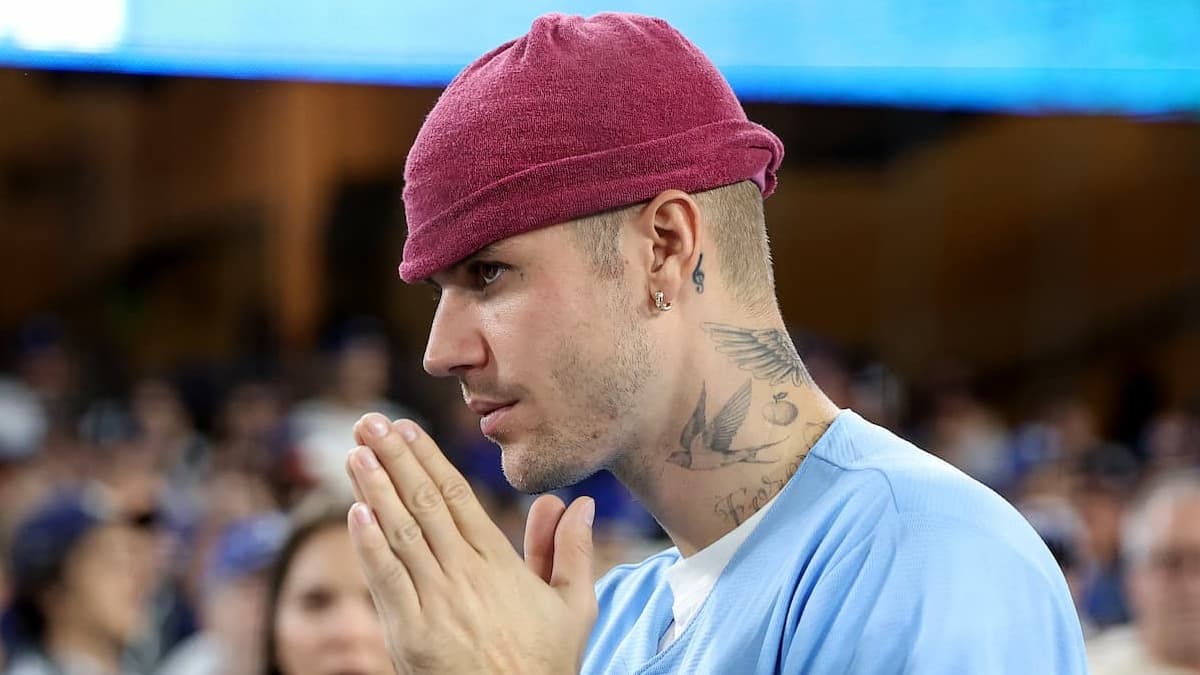
12 Years Ago, Justin Bieber Sparked Controversy by Wishing Anne Frank Would Have Been a ‘Belieber’
Why It Matters
Bieber’s controversies demonstrate the fragile link between personal actions and commercial reputation, reminding brands and talent agencies that public perception directly influences market value and partnership opportunities.
Key Takeaways
- •Bieber's 2014 guestbook comment sparked global backlash for insensitivity
- •Anne Frank Museum emphasized his visit was positive despite criticism
- •Recent Coachella set earned $10 million, drew mixed reviews for performance
- •Controversies illustrate challenges of celebrity brand management over time
- •Public missteps can revive scrutiny, affecting fan engagement and sponsorships
Pulse Analysis
The 2014 Anne Frank Museum incident underscores how a single off‑hand remark can explode into a global PR crisis. For a pop star whose brand hinges on youthful appeal, the backlash illustrated the delicate balance between personal expression and cultural sensitivity. Media outlets amplified the story, turning a museum guestbook entry into a cautionary tale about the responsibilities that accompany fame. Brands associated with such figures must assess risk exposure quickly, as negative sentiment can spill over into endorsement negotiations and fan loyalty.
Institutions like the Anne Frank Museum play a nuanced role when celebrities err. While the museum’s spokesperson highlighted Bieber’s genuine curiosity and the potential educational upside, the organization also faced pressure to distance itself from perceived insensitivity. This dual response—acknowledging the visit while condemning the comment—helps preserve institutional credibility and demonstrates crisis‑communication best practices. For cultural venues, partnering with high‑profile personalities can boost visibility, but it requires clear guidelines and rapid response protocols to mitigate reputational fallout.
Bieber’s recent Coachella appearance, compensated at $10 million, shows that financial clout does not guarantee flawless execution. Critics described the set as “sleepy,” yet his vocal signature remained intact, illustrating the complex calculus of talent fees versus performance quality. The episode reinforces that legacy artists must continuously align their stagecraft with audience expectations, especially when lucrative contracts attract heightened scrutiny. For marketers and event promoters, the lesson is clear: invest in authentic, engaging experiences, and be prepared to address any missteps promptly to protect both the artist’s and the event’s brand equity.
12 Years Ago, Justin Bieber Sparked Controversy by Wishing Anne Frank Would Have Been a ‘Belieber’
Comments
Want to join the conversation?
Loading comments...