1972 No. 1 Hit That Turned a Protest Song Into an Enduring Classic
Why It Matters
The hit demonstrated how popular music can repurpose protest material for mass audiences, reinforcing cultural dialogue on race during a turbulent era and shaping how later artists address social issues.
Key Takeaways
- •Three Dog Night's 1972 cover topped Billboard Hot 100
- •Song originated 1954, linked to Brown v. Board decision
- •Cover removed specific 1950s references, broadening appeal
- •Multiracial band highlighted diversity amid civil‑rights tensions
- •Revival sparked renewed interest in racial‑harmony anthem
Pulse Analysis
The original "Black and White" emerged in 1954, the same year the Supreme Court issued Brown v. Board of Education, a watershed ruling that declared school segregation unconstitutional. Written by activist‑songwriters David I. Arkin and Earl Robinson, the folk‑style anthem was first recorded by Pete Seeger and a young Black schoolchild, capturing the urgency of desegregation battles that would stretch for decades. Though modestly successful at the time, the song’s simple plea for racial equality resonated with early civil‑rights activists and set a precedent for music as protest.
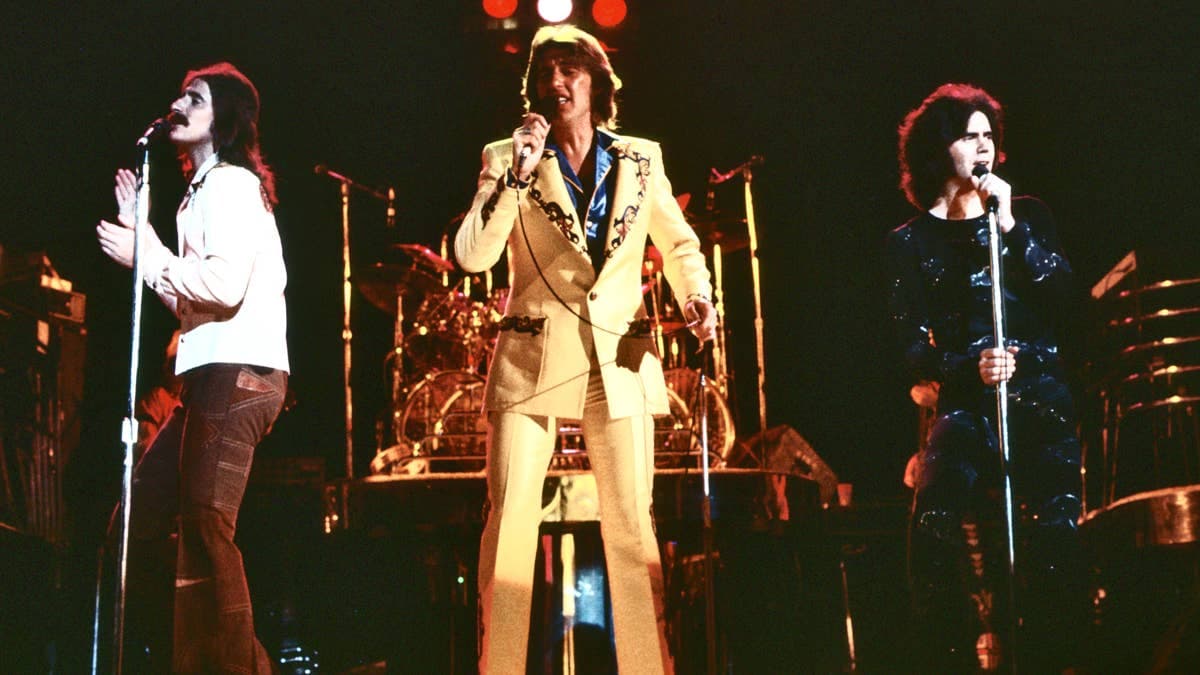
When Three Dog Night released their version in 1972, the United States was wrestling with forced‑busing and the aftermath of Swann v. Charlotte‑Mecklenburg, making the song’s theme especially timely. The band, notable for its multiracial lineup—including African‑American drummer Floyd Sneed—infused the track with a polished rock sound and a children’s choir, while omitting the original’s explicit references to the 1950s court case. This strategic lyrical softening broadened the song’s marketability, propelling it to the top of both the Hot 100 and Easy Listening charts and cementing it as a signature hit that showcased the group’s diversity and commercial savvy.
Decades later, "Black and White" endures as a cultural touchstone, illustrating how a protest song can be re‑imagined for mainstream consumption without losing its core message. Its resurgence sparked renewed scholarly and artistic interest in the intersection of music and civil‑rights history, influencing contemporary artists who blend social commentary with pop sensibilities. In today’s polarized climate, the track’s timeless call for unity continues to find relevance, reminding listeners that popular music can both reflect and shape societal values.
1972 No. 1 Hit That Turned a Protest Song Into an Enduring Classic
Comments
Want to join the conversation?
Loading comments...