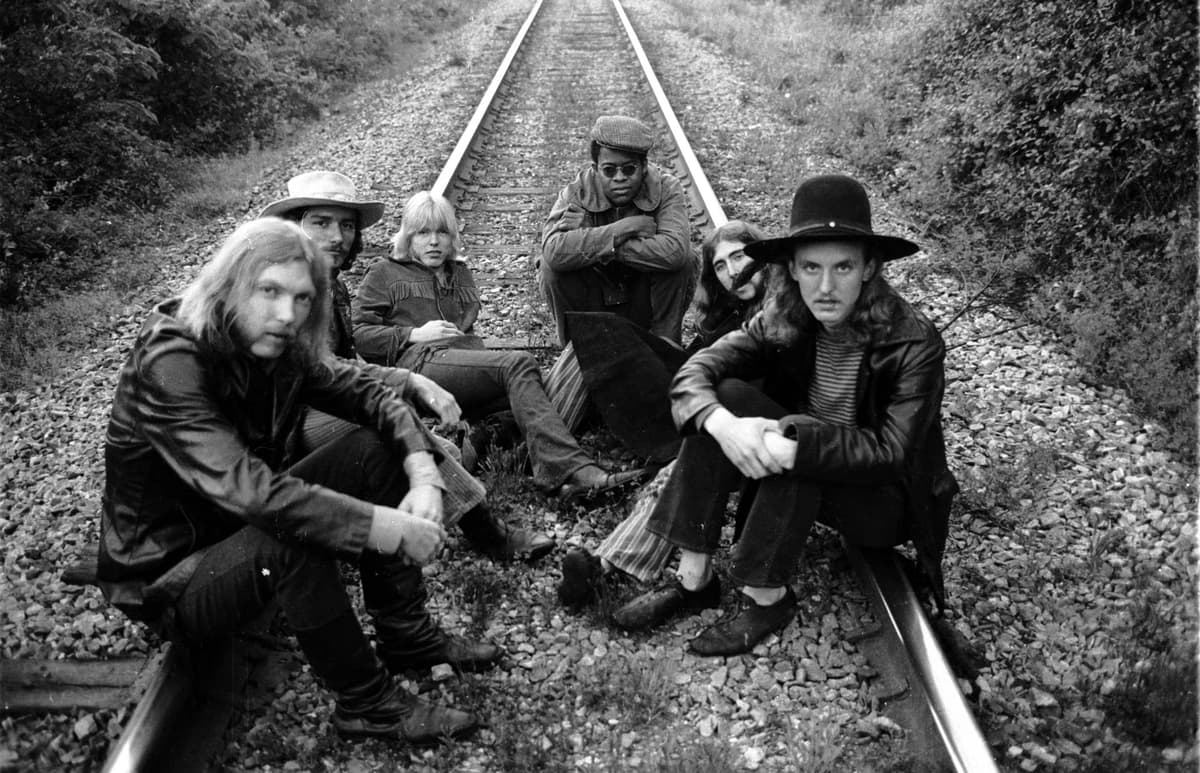
1973 Country Hit, Written in 5 Minutes, Listed Among ‘Greatest Rock Songs' Of All Time
Why It Matters
The single proved the Allman Brothers could reinvent themselves after loss, cementing Southern rock’s mainstream appeal and influencing generations of crossover artists.
Key Takeaways
- •Betts penned "Ramblin' Man" in just five minutes
- •First top‑10 hit for the Allman Brothers Band
- •Blended Southern rock with country storytelling
- •Marked the band's comeback after two member deaths
- •Ranked among Ultimate Classic Rock's top 100 songs
Pulse Analysis
When the Allman Brothers Band released *Brothers and Sisters* in 1973, they were navigating a profound personal and artistic crisis. The sudden deaths of Duane Allman and Berry Oakley left the group reeling, yet guitarist Dickey Betts turned grief into creativity, sketching the melody of "Ramblin' Man" over a year and completing its lyrics in a single five‑minute session. This rapid burst of inspiration captured the raw, itinerant spirit of Southern storytelling, marrying the band’s blues roots with a distinctly country narrative that resonated with a nation still mourning the era’s cultural icons.
Musically, "Ramblin' Man" signaled a decisive shift toward a more radio‑friendly, country‑rock hybrid that broadened the Allman Brothers’ audience beyond jam‑band devotees. The single cracked the Billboard Top 10, a first for the group, and its soaring harmonies and twangy guitar lines became a template for later Southern rock acts seeking chart success without abandoning authenticity. Industry analysts note that the song’s crossover appeal helped legitimize Southern rock as a commercial genre, paving the way for artists like Lynyrd Skynyrd and the Marshall Tucker Band to achieve mainstream airplay.
Decades later, the track’s inclusion in Ultimate Classic Rock’s top‑100 list underscores its enduring influence. Music historians cite "Ramblin' Man" as a case study in how personal tragedy can fuel artistic reinvention, offering a blueprint for bands confronting lineup changes or creative fatigue. For contemporary musicians, the song illustrates the power of concise songwriting—Betts’ five‑minute lyric draft demonstrates that a compelling hook can emerge from spontaneity, provided it’s anchored in genuine emotion and cultural relevance. The legacy of "Ramblin' Man" thus extends beyond its chart performance, serving as a touchstone for resilience and genre‑blending innovation in modern rock.
1973 Country Hit, Written in 5 Minutes, Listed Among ‘Greatest Rock Songs' of All Time
Comments
Want to join the conversation?
Loading comments...