Companies Mentioned

Why It Matters
The song illustrates how a pop hit can evolve into a multi‑industry asset, driving health‑education initiatives and sustained licensing income, underscoring the long‑term commercial value of iconic music.
Key Takeaways
- •Stayin’ Alive topped Billboard Hot 100 for one month in 1978
- •The song’s 103‑bpm rhythm matches CPR chest‑compression rate
- •Featured in Saturday Night Fever, boosting soundtrack sales over $100 M
- •Continues generating licensing revenue through TV, film, and ads
- •Barry Gibb frames the track as a survival anthem
Pulse Analysis
When “Stayin’ Alive” burst onto the charts in late 1977, it did more than dominate the disco dance floor; it anchored the blockbuster Saturday Night Fever soundtrack, propelling album sales past the $100 million mark worldwide. The track’s infectious groove, anchored at 103 beats per minute, captured the zeitgeist of a generation hungry for escapism, while its lyrical focus on perseverance resonated beyond the club scene. This cultural imprint cemented the Bee Gees’ brand, turning a single hit into a timeless asset that continues to attract streaming listeners and sync placements.
Beyond its musical legacy, “Stayin’ Alive” found an unexpected second life in emergency medicine. The song’s tempo aligns perfectly with the recommended 100‑120 chest compressions per minute for cardiopulmonary resuscitation, making it a practical teaching tool in CPR courses worldwide. By pairing a pop anthem with life‑saving technique, health educators have leveraged the track’s familiarity to improve retention and performance, illustrating how entertainment can serve public‑health objectives. This crossover has amplified the song’s relevance, reinforcing its role as a cultural touchstone that bridges art and utility.
From a business perspective, the enduring popularity of “Stayin’ Alive” translates into robust licensing opportunities. The track appears in television series, commercials, and viral internet memes, each generating royalties for the songwriters and rights holders. Streaming platforms report consistent play counts, contributing to a steady revenue stream that outlasts the typical lifecycle of a 1970s hit. As brands seek nostalgic yet universally recognizable music for campaigns, “Stayin’ Alive” offers a proven formula: instant audience connection, emotional resonance, and a built‑in health‑education narrative that can enhance brand goodwill. This multifaceted value underscores why iconic songs remain prized assets in today’s media economy.
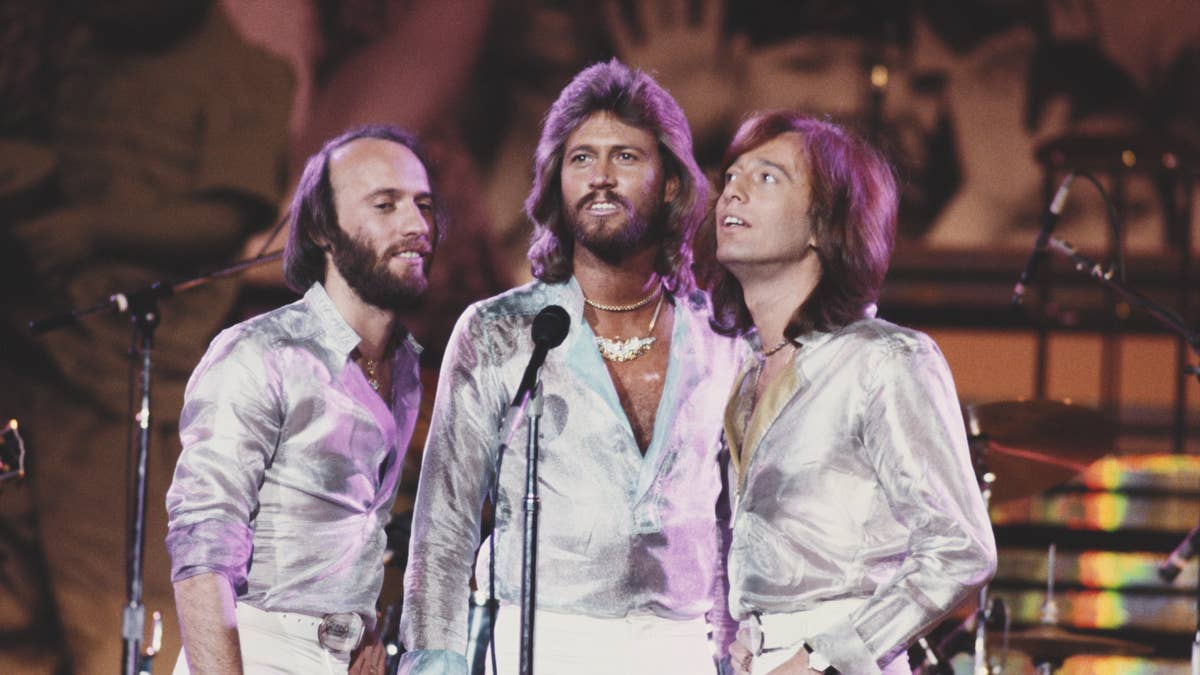
1977 No. 1 Hit Remains Instantly Recognizable Today
Comments
Want to join the conversation?
Loading comments...