Companies Mentioned

MTV
Reprise
Why It Matters
The compilation spotlights the 1990s as a pivotal era that redefined rock’s commercial and cultural boundaries, informing current industry strategies for catalog exploitation and artist development.
Key Takeaways
- •1990s rock fused grunge, pop, and Latin influences
- •Female‑fronted albums reshaped mainstream rock narratives
- •Albums achieved multi‑platinum sales and lasting cultural impact
- •Legacy fuels streaming growth and modern indie inspiration
Pulse Analysis
The 1990s marked a seismic shift in rock music, as artists blended grunge’s raw intensity with pop sensibilities, electronic textures, and world‑music rhythms. This hybridization produced albums that resonated across demographic lines, driving record sales to unprecedented heights and cementing rock’s place alongside hip‑hop and pop in the decade’s cultural zeitgeist. By cataloguing the era’s most influential releases, the ranking illustrates how genre‑crossing experimentation became a commercial formula, paving the way for today’s streaming‑driven playlists that favor eclectic, mood‑based curation.
Beyond sonic innovation, the list highlights a surge in female and Latin representation that challenged rock’s traditionally male‑dominated narrative. Garbage’s Shirley Manson, Alanis Morrissette, and Shakira each leveraged rock frameworks to deliver powerful, introspective lyrics, expanding the market’s demographic reach. Meanwhile, Latin acts like Maná demonstrated that Spanish‑language rock could achieve global penetration, a trend now evident in the crossover success of contemporary Latin‑rock and reggaetón artists. These breakthroughs not only diversified the genre’s audience but also opened new revenue streams through touring, merchandising, and cross‑media licensing.
Decades later, the enduring relevance of these albums is evident in the resurgence of vinyl reissues, anniversary tours, and their frequent citation by emerging indie and alternative musicians. Streaming platforms report sustained listener engagement for 1990s rock titles, translating historic chart dominance into ongoing royalty streams. For record labels and rights holders, this longevity underscores the value of strategic catalog management, while for artists, the era serves as a blueprint for blending authenticity with mainstream appeal in an increasingly fragmented music market.
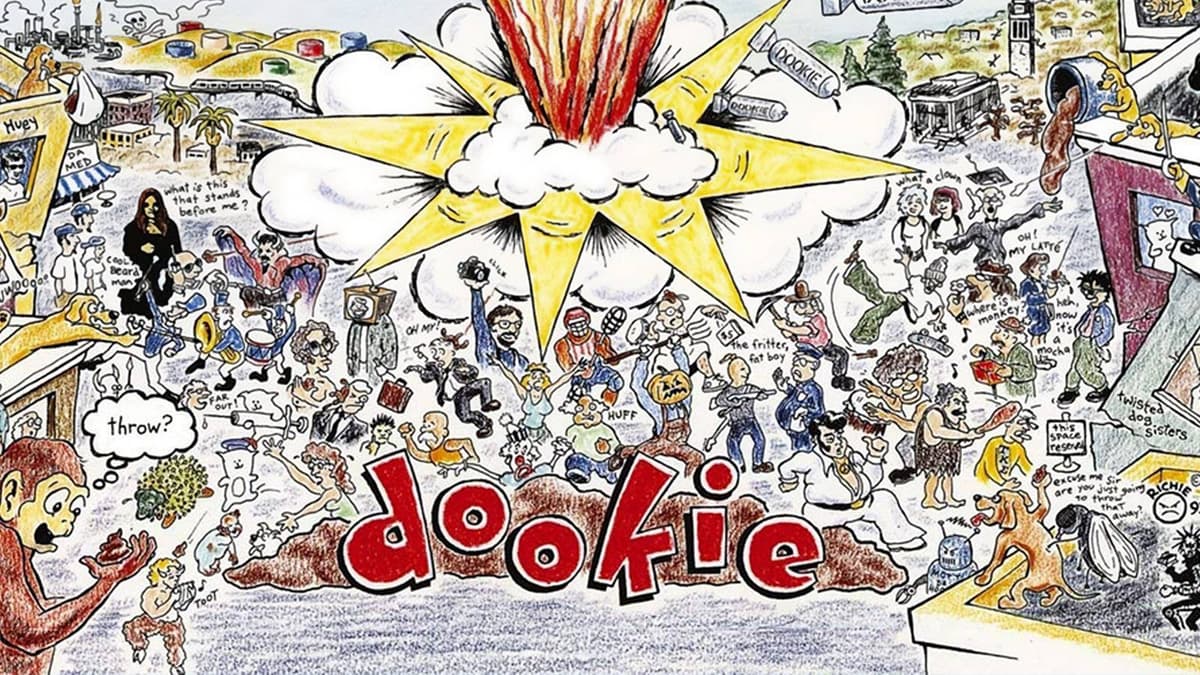
20 Greatest Classic Rock Albums of the '90s, Ranked
Comments
Want to join the conversation?
Loading comments...