3 Classic Rock Songs From the 1990s That Drove Everyone’s Parents Crazy
Why It Matters
These songs illustrate how music can become a flashpoint for generational tension, shaping cultural narratives around rebellion and censorship. Understanding their impact helps marketers and cultural analysts gauge the lasting power of provocative art in consumer behavior.
Key Takeaways
- •Ozzy's 1991 ballad juxtaposed metal image with wholesomeness
- •Nirvana's anthem defined teen rebellion and mainstream angst
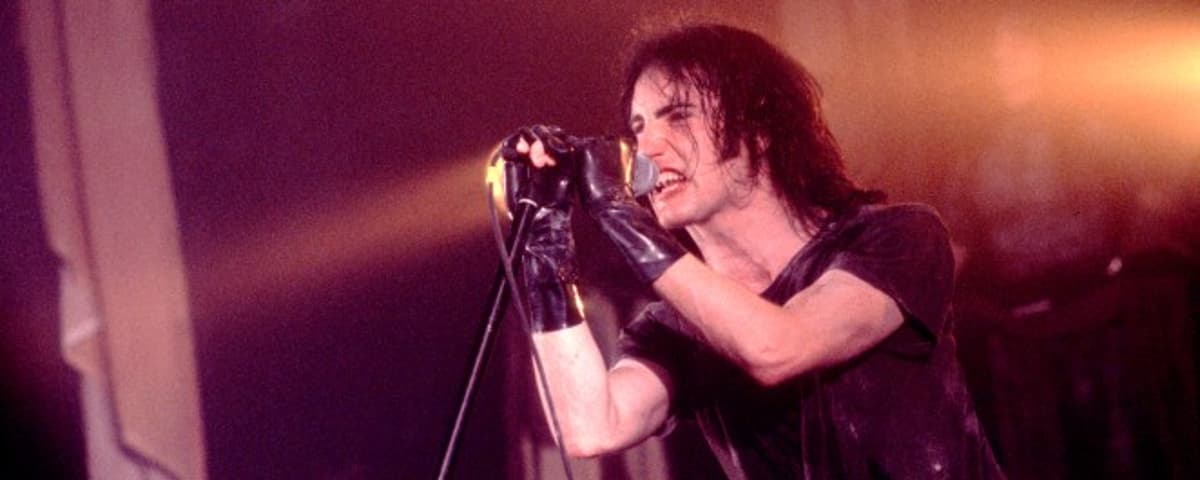
- •Nine Inch Nails' explicit lyrics provoked parental outrage
- •1990s tracks highlight generational clash over music censorship
- •Classic‑rock definition expanded to include grunge, industrial
Pulse Analysis
The early 1990s marked a seismic shift in rock music, as heavy‑metal veterans, grunge newcomers, and industrial pioneers all vied for airtime on MTV and radio. Parents, still wary from the 1980s Satanic Panic, found themselves confronting unfamiliar sounds and imagery that challenged traditional values. This cultural backdrop set the stage for songs that were as much social statements as they were chart‑toppers, turning living rooms into battlegrounds of taste and morality.
Ozzy Osbourne’s “Mama, I’m Coming Home” offered a rare melodic respite from his dark persona, yet its very existence sparked parental suspicion rooted in his notorious reputation. Nirvana’s “Smells Like Teen Spirit” crystallized the angst of Generation X, its distorted guitars and apathetic lyrics becoming a rallying cry that schools and households alike struggled to contain. Meanwhile, Nine Inch Nails’ “Closer,” with its overtly sexual and industrial soundscape, pushed the envelope of acceptable content, prompting bans on music video channels and heated debates about artistic freedom. Teens deliberately leveraged these tracks to assert independence, using volume and repetition as tools of rebellion.
Decades later, the legacy of these provocations persists in streaming playlists and viral TikTok clips, proving that music’s capacity to provoke remains undiminished. For brands and cultural scholars, the 1990s serve as a case study in how controversial art can drive engagement, spark dialogue, and ultimately reshape market dynamics. Recognizing the patterns of parent‑teen conflict from that era offers valuable insight into today’s digital‑first battles over content, privacy, and cultural relevance.
3 Classic Rock Songs From the 1990s That Drove Everyone’s Parents Crazy
Comments
Want to join the conversation?
Loading comments...