3 Musicians Who Had to Change the Way They Played After Serious Accidents
Why It Matters
These cases show that personal setbacks can drive creative breakthroughs, sustaining commercial relevance and influencing the evolution of rock music. They underscore the importance of adaptability for long‑term brand resilience in the entertainment industry.
Key Takeaways
- •Tony Iommi crafted prosthetic fingertips from soap bottles to keep playing
- •Liam Gallagher’s head injury sparked his shift from sports to singing
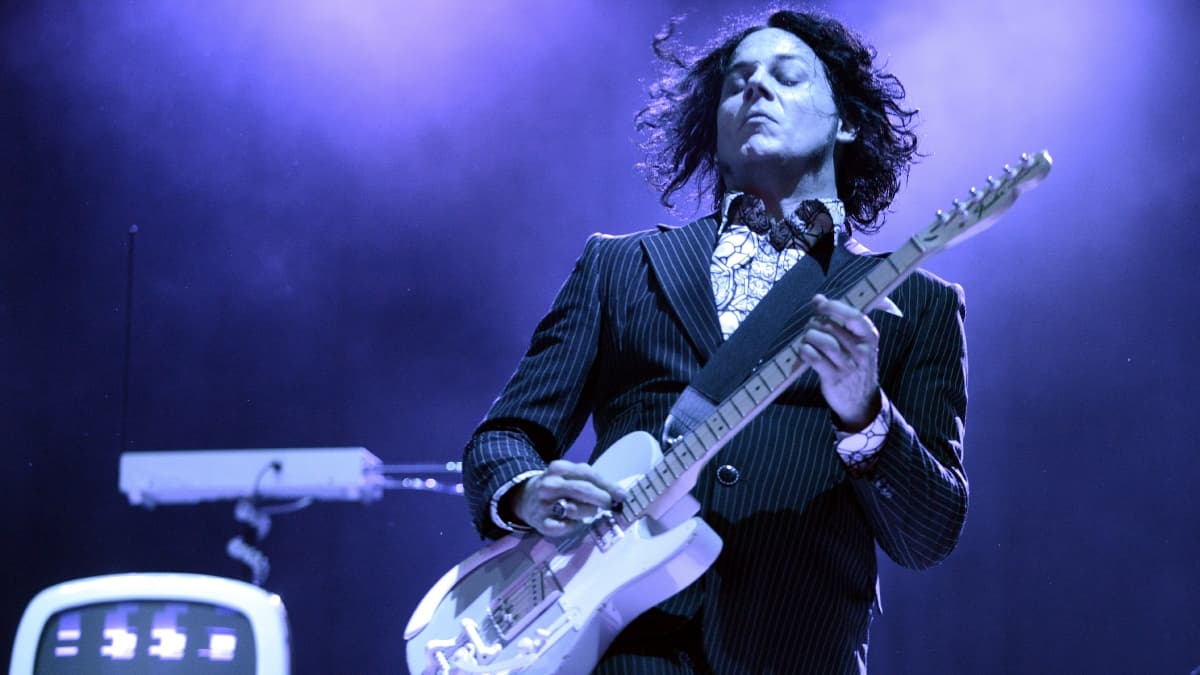
- •Jack White relearned chords after airbag shattered his index finger
- •Dave Mustaine recovered from nerve damage, releasing eight more albums
Pulse Analysis
Physical trauma often forces musicians to confront the limits of their instrument, and the stories of Tony Iommi, Liam Gallagher and Jack White illustrate how necessity breeds invention. Iommi’s DIY prosthetic fingertips, fashioned from melted soap bottles, allowed him to continue shaping the heavy‑metal sound that defined Black Sabbath. Gallagher’s accidental concussion rewired his auditory perception, turning a disinterested teen into the unmistakable voice of Oasis. Meanwhile, Jack White’s airbag‑induced hand injury compelled him to redesign chord voicings, ultimately influencing the raw, stripped‑down aesthetic of The White Stripes.
Beyond personal recovery, these adaptations rippled through the music market, altering fan expectations and spawning new sonic textures. Iommi’s altered technique contributed to darker, down‑tuned riffs that inspired a generation of guitarists. Gallagher’s newfound vocal style helped Oasis capture the Britpop zeitgeist, driving record sales and stadium tours. White’s reconfigured fingerings led to unconventional chord progressions that set The White Stripes apart in the early‑2000s garage‑rock revival, boosting streaming numbers and merchandise revenue. In each case, the artists turned physical limitation into a distinctive brand asset, reinforcing their market position.
For the broader industry, these narratives highlight the business value of resilience and adaptive creativity. Record labels and managers now recognize that supporting artists through medical setbacks—via therapy, equipment innovation, or flexible touring schedules—can preserve revenue streams and protect intellectual property. Moreover, the public’s fascination with comeback stories fuels media coverage, social‑media engagement, and catalog sales. As health‑risk awareness grows, proactive safety measures and contingency planning become strategic imperatives, ensuring that talent can continue to generate value even after unforeseen accidents.
3 Musicians Who Had to Change the Way They Played After Serious Accidents
Comments
Want to join the conversation?
Loading comments...